A shorter-than-expected stay in Chile and Uruguay means I had an extra week to spend elsewhere – I decided to head further east to Rio de Janeiro, Brazil.
People in all South American countries speak Spanish, except in Brazil people speak Portuguese. Spanish and Portuguese are sister languages and are quite similar to each other (both languages also share many correspondences with French and Italian). People sometimes joke that Portuguese kind of sounds like drunken Spanish, and vice versa. Interestingly, Portuguese speakers understand Spanish better than Spanish speakers understand Portuguese. Why is that?
As an Asian American who barely speak any Spanish or Portuguese besides the basics, it is not as easy to have a grasp of this situation. The way I understand this is to compare with my roots: Chinese. Being a native Cantonese Chinese speaker, it is easier for me to understand Mandarin Chinese than Mandarin speakers understand Cantonese (and the way I speak Mandarin does kind of sound like drunken Cantonese!). And as a native traditional Chinese reader, it is also easier for me to understand simplified Chinese than simplified Chinese readers understand traditional Chinese; Chinese language (hanzi) also share correspondences with Japanese (kanji) and Korean (hanja) – So when I was in Japan and Korea, say in a subway train reading the route map, it was quicker and more efficient for me to read the kanji and hanja than to try to figure out the long English translations.
On a side note, I met a 75-year-old solo traveler from Japan at my hostel in Rio. He travels for 3 months every year around the world, writes digital guidebooks in Japanese, and publishes them on Kindle. Boss retirement!
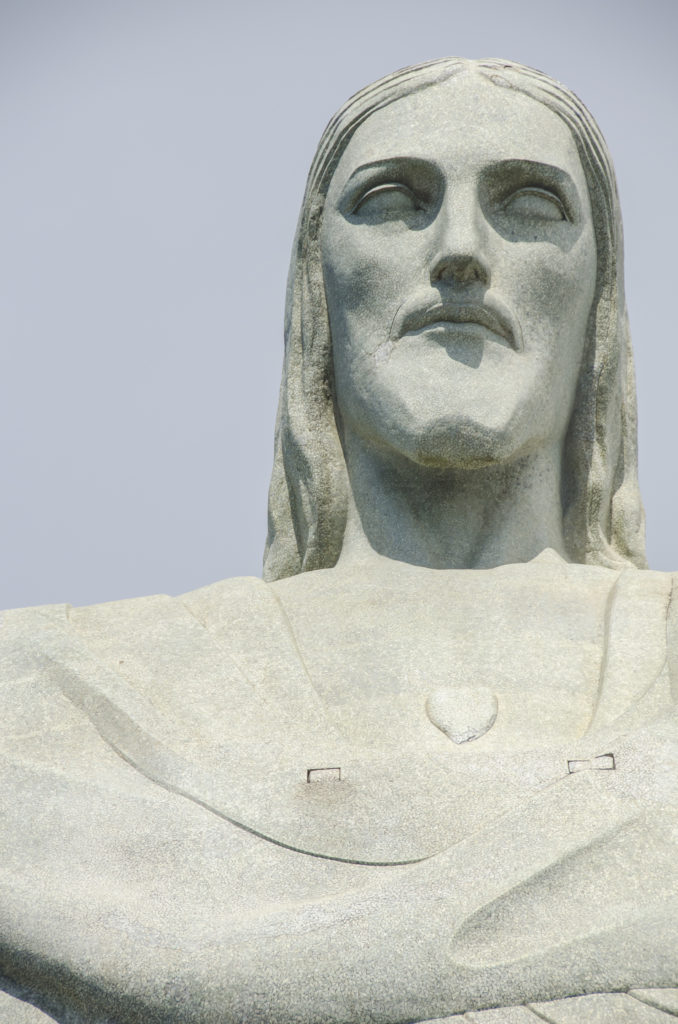
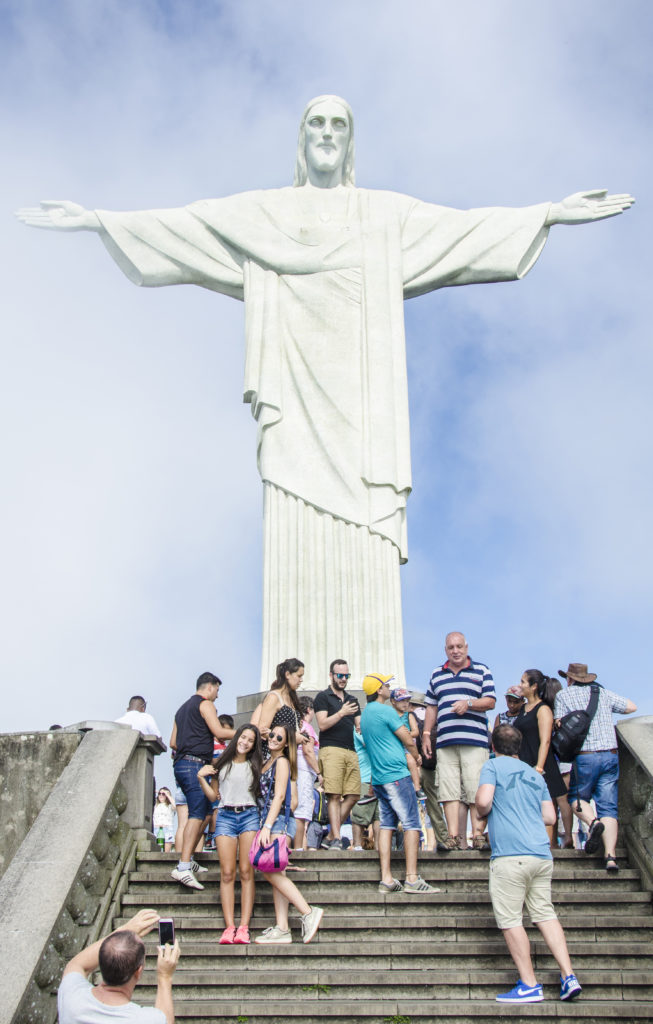
There are many Jesus Christ statues all around the world. But the most famous one would definitely be Christ the Redeemer, located at the peak of the Corcovado mountain overlooking the city of Rio de Janeiro. It is listed as one of the seven New Wonders of the World.
@Rio
There are many Jesus Christ statues all around the world. But the most famous one would definitely be Christ the Redeemer, located at the peak of the Corcovado mountain overlooking the city of Rio de Janeiro. It is listed as one of the seven New Wonders of the World.
@Rio
There are many Jesus Christ statues all around the world. But the most famous one would definitely be Christ the Redeemer, located at the peak of the Corcovado mountain overlooking the city of Rio de Janeiro. It is listed as one of the seven New Wonders of the World.
@Rio
View of Rio from Sugarloaf Mountain.
@Rio
View of Rio from Sugarloaf Mountain.
@Rio
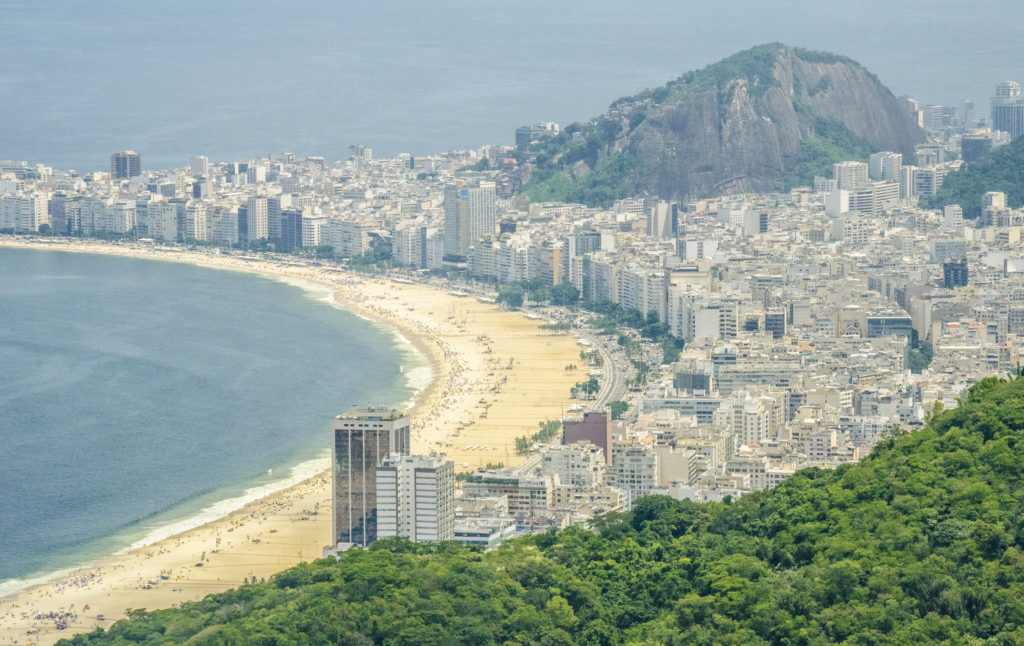
View of Copacabana Beach from Sugarloaf Mountain.
@Rio
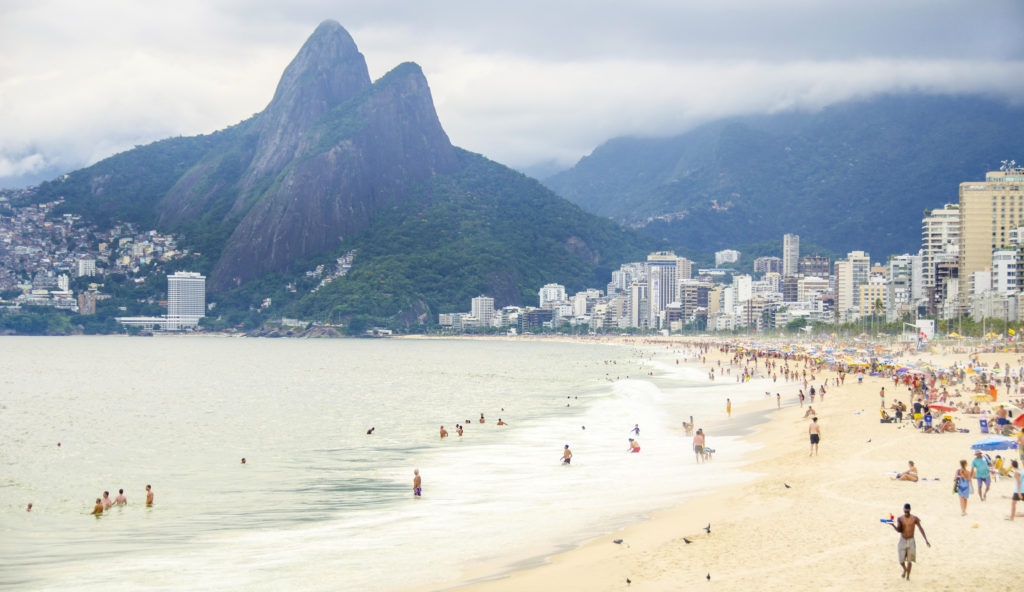
Ipanema Beach, overlooking Twins Brother Hill.
@Rio
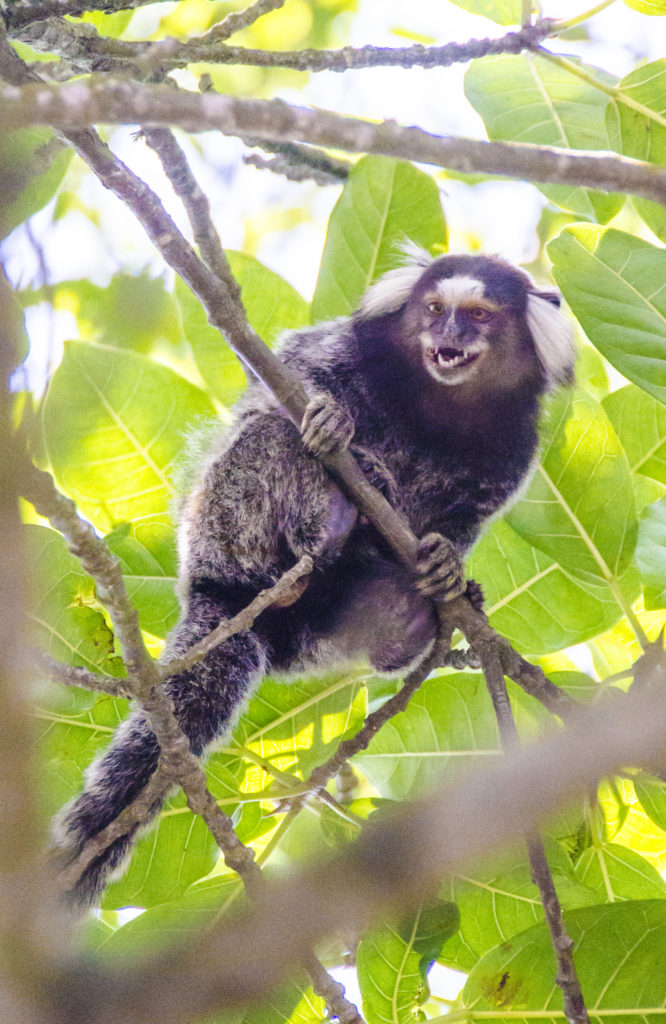
Marmoset, a type of small monkey in Brazil.
@Rio
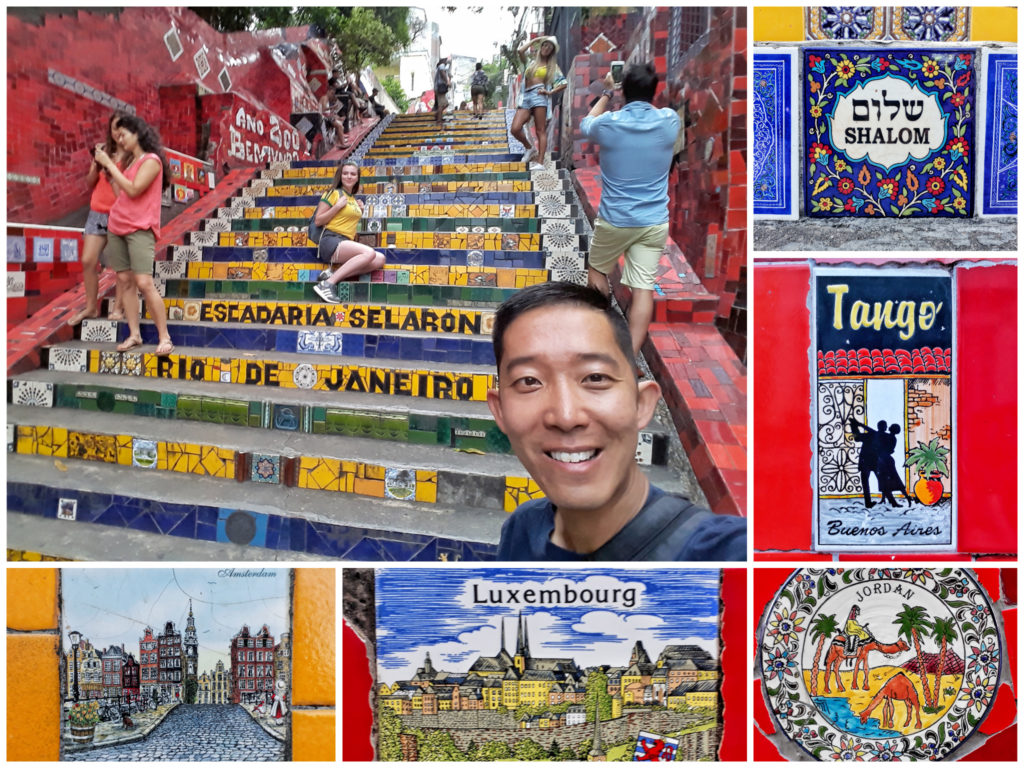
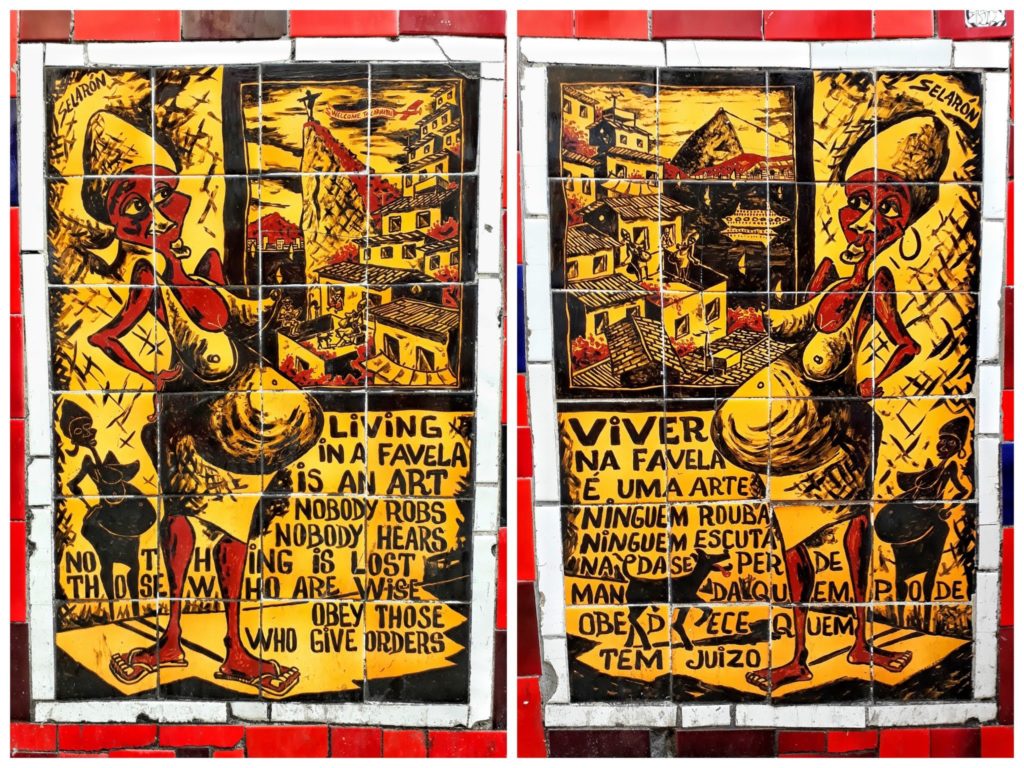
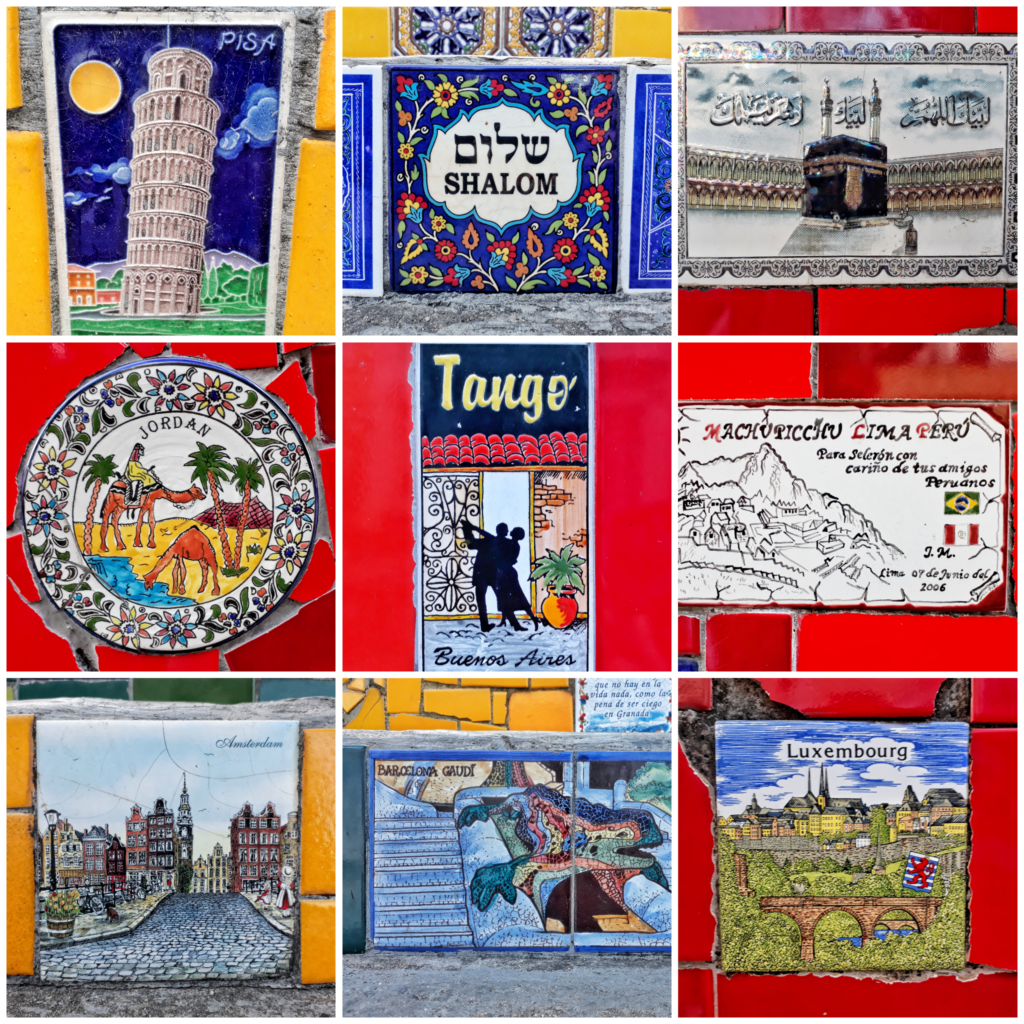
Escadaria Selaron, also known as the “Selaron Steps”, is a set of world-famous steps with colorful hand-painted tiles. They are the work of Chilean-born artist Jorge Selaron. The 200+ steps are covered in 2000+ tiles collected from 60+ countries around the world. 300 of those tiles are hand-painted by Selaron depicting a pregnant African woman, which he said was a “history from my past”.
@Rio
Escadaria Selaron, also known as the “Selaron Steps”, is a set of world-famous steps with colorful hand-painted tiles. They are the work of Chilean-born artist Jorge Selaron. The 200+ steps are covered in 2000+ tiles collected from 60+ countries around the world. 300 of those tiles are hand-painted by Selaron depicting a pregnant African woman, which he said was a “history from my past”.
@Rio
Escadaria Selaron, also known as the “Selaron Steps”, is a set of world-famous steps with colorful hand-painted tiles. They are the work of Chilean-born artist Jorge Selaron. The 200+ steps are covered in 2000+ tiles collected from 60+ countries around the world. 300 of those tiles are hand-painted by Selaron depicting a pregnant African woman, which he said was a “history from my past”.
@Rio
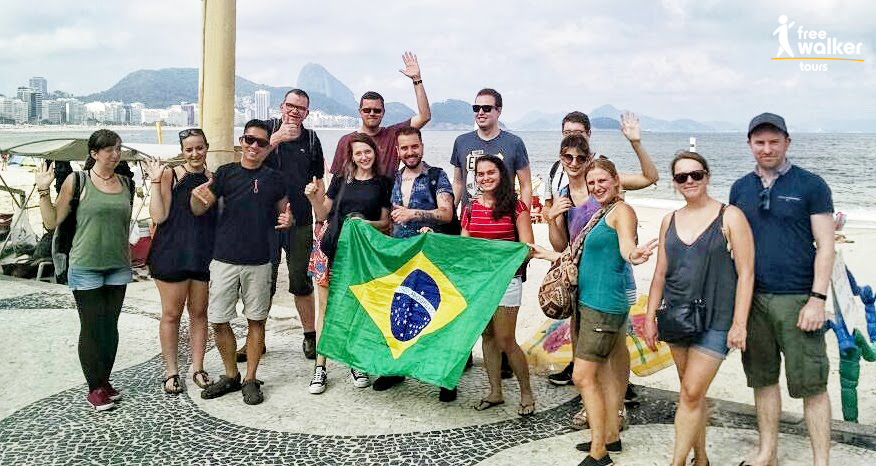
Walking tour.
@Rio
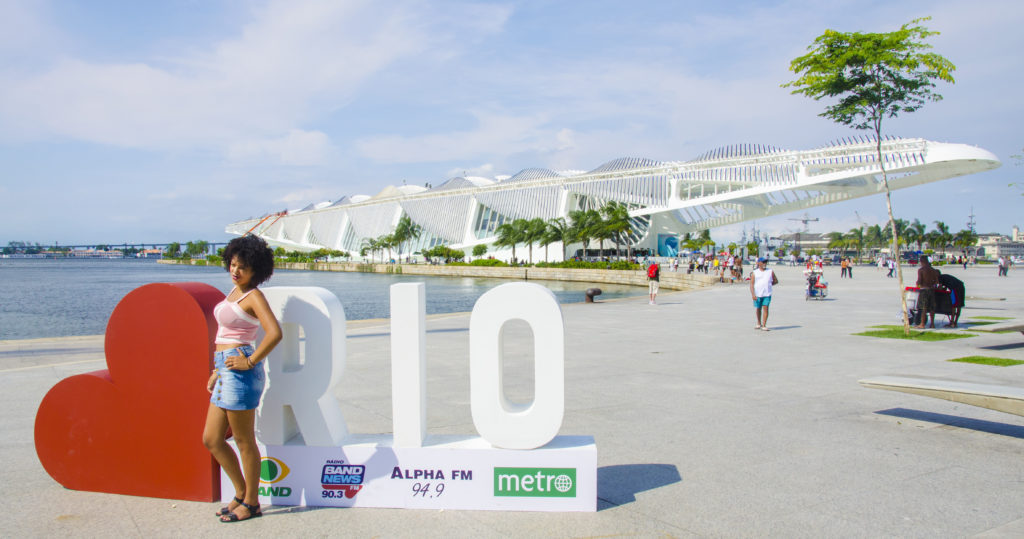
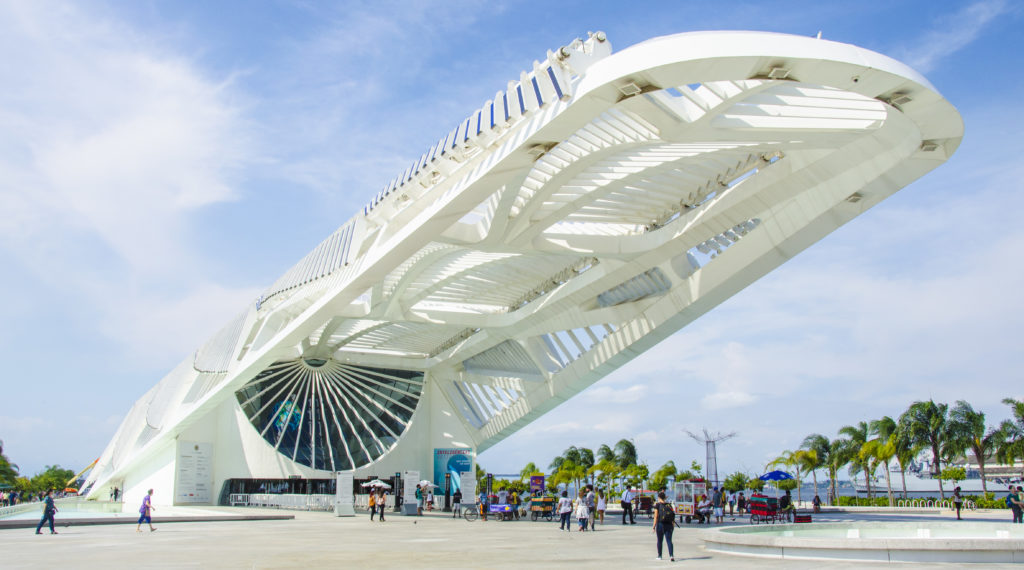
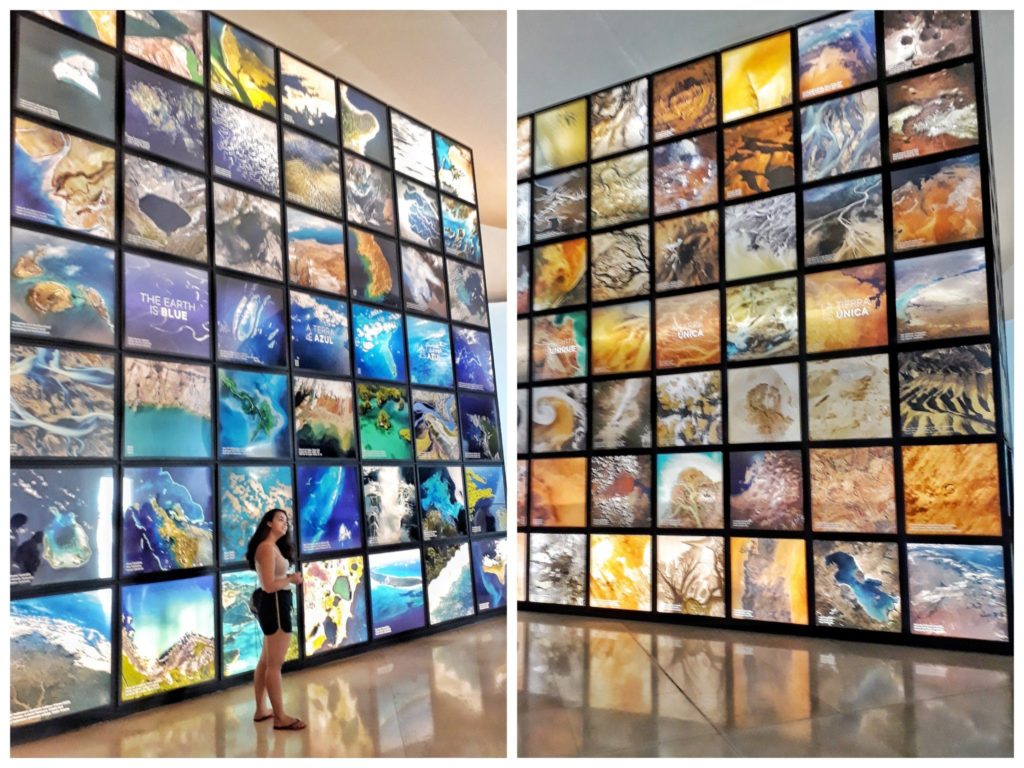
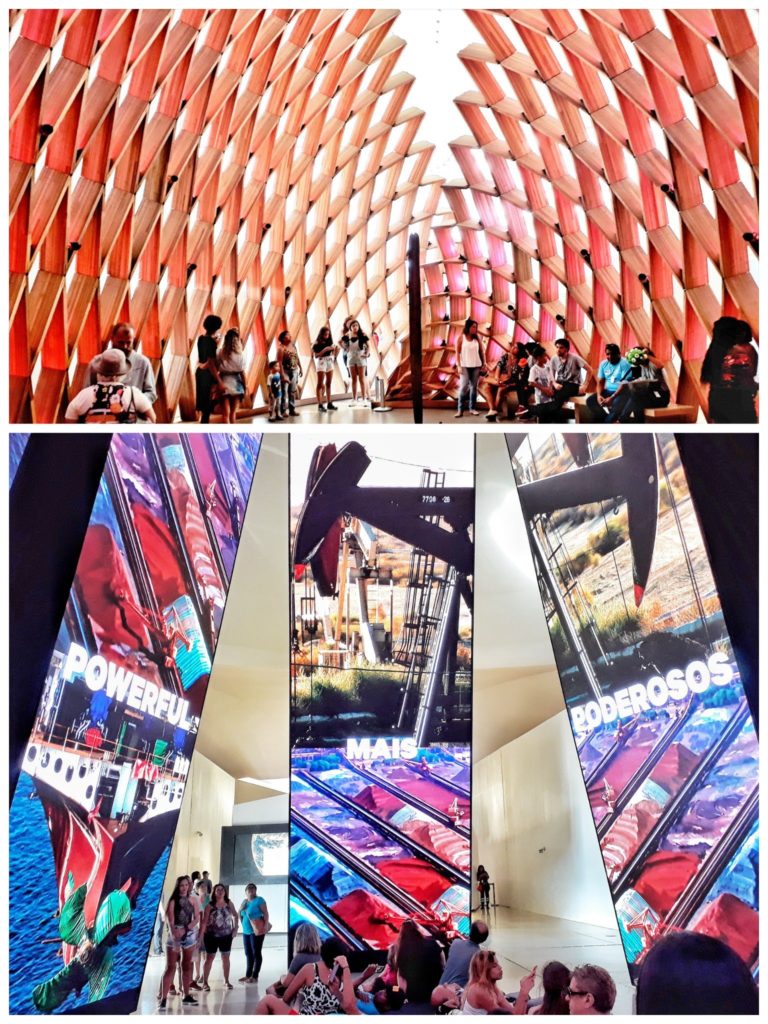
Museum of Tomorrow, a futuristic museum that mixes earth science with innovative design.
\\
On earth, everything is movement: The slow drift of the continent, the swift currents of our oceans, the quick winds of the atmosphere, and the blindingly fast light of the sun. The interactive dynamics between light, air, water, and land produce the changing of seasons, which are the basic rhythm of life on earth. Museum of Tomorrow takes visitors through these elements via innovative exhibits.
@Rio
Museum of Tomorrow, a futuristic museum that mixes earth science with innovative design.
\\
On earth, everything is movement: The slow drift of the continent, the swift currents of our oceans, the quick winds of the atmosphere, and the blindingly fast light of the sun. The interactive dynamics between light, air, water, and land produce the changing of seasons, which are the basic rhythm of life on earth. Museum of Tomorrow takes visitors through these elements via innovative exhibits.
@Rio
Museum of Tomorrow, a futuristic museum that mixes earth science with innovative design.
\\
On earth, everything is movement: The slow drift of the continent, the swift currents of our oceans, the quick winds of the atmosphere, and the blindingly fast light of the sun. The interactive dynamics between light, air, water, and land produce the changing of seasons, which are the basic rhythm of life on earth. Museum of Tomorrow takes visitors through these elements via innovative exhibits.
@Rio
Museum of Tomorrow, a futuristic museum that mixes earth science with innovative design.
\\
On earth, everything is movement: The slow drift of the continent, the swift currents of our oceans, the quick winds of the atmosphere, and the blindingly fast light of the sun. The interactive dynamics between light, air, water, and land produce the changing of seasons, which are the basic rhythm of life on earth. Museum of Tomorrow takes visitors through these elements via innovative exhibits.
@Rio
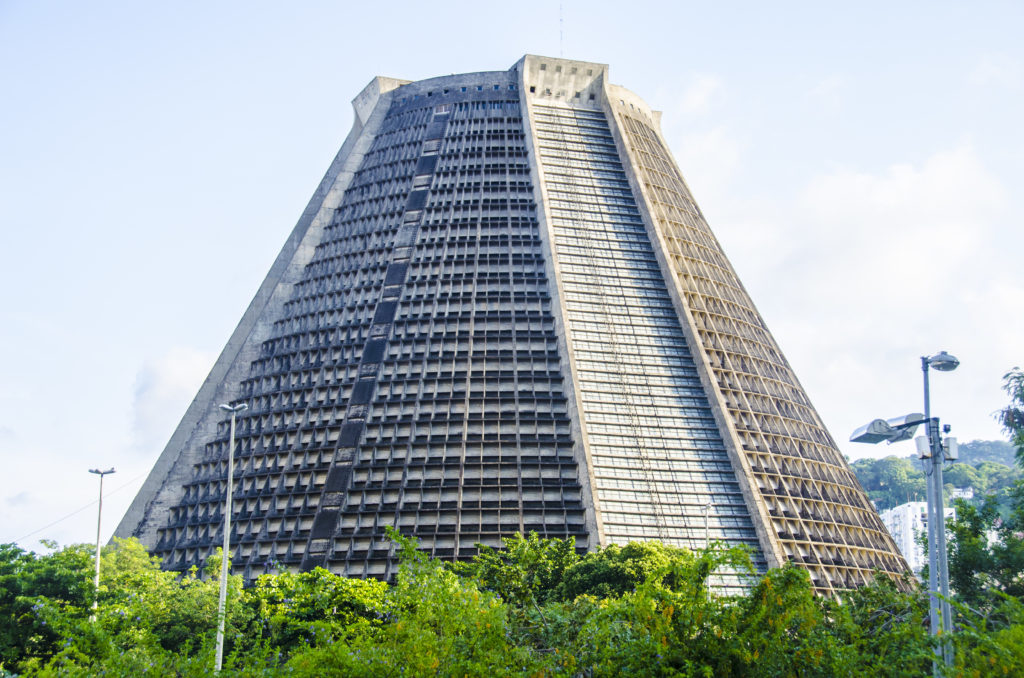
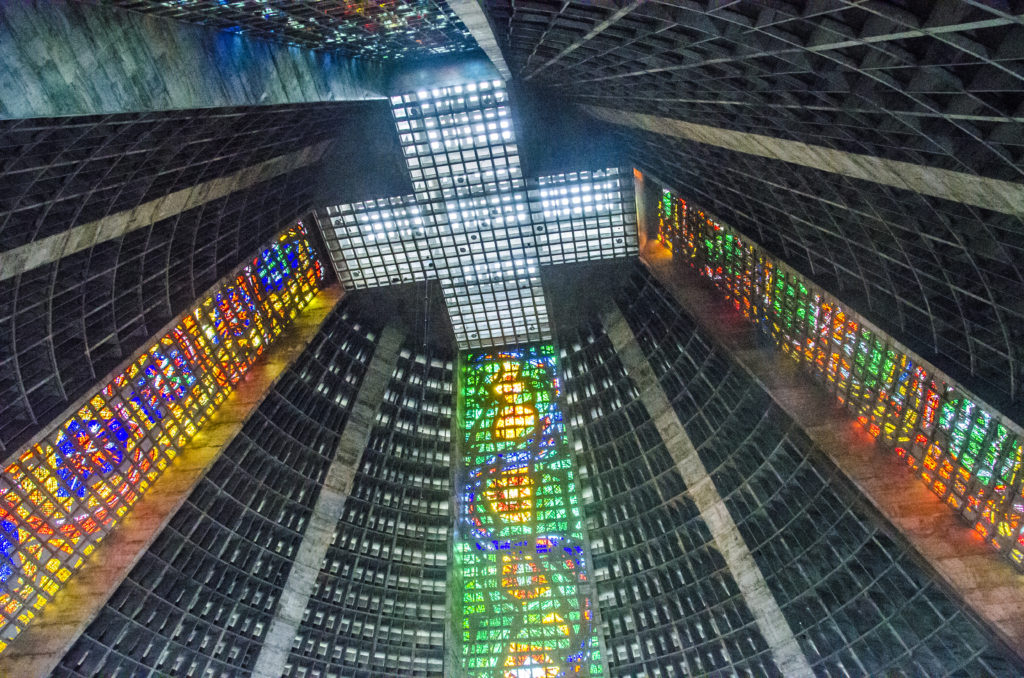
Metropolitan Cathedral of Rio de Janeiro, a Catholic cathedral with a room capacity of 20,000 people. The cathedral was designed based on Mayan architectural style of pyramids (like Tikal pyramids in Guatemala).
@Rio
Metropolitan Cathedral of Rio de Janeiro, a Catholic cathedral with a room capacity of 20,000 people. The cathedral was designed based on Mayan architectural style of pyramids (like Tikal pyramids in Guatemala).
@Rio
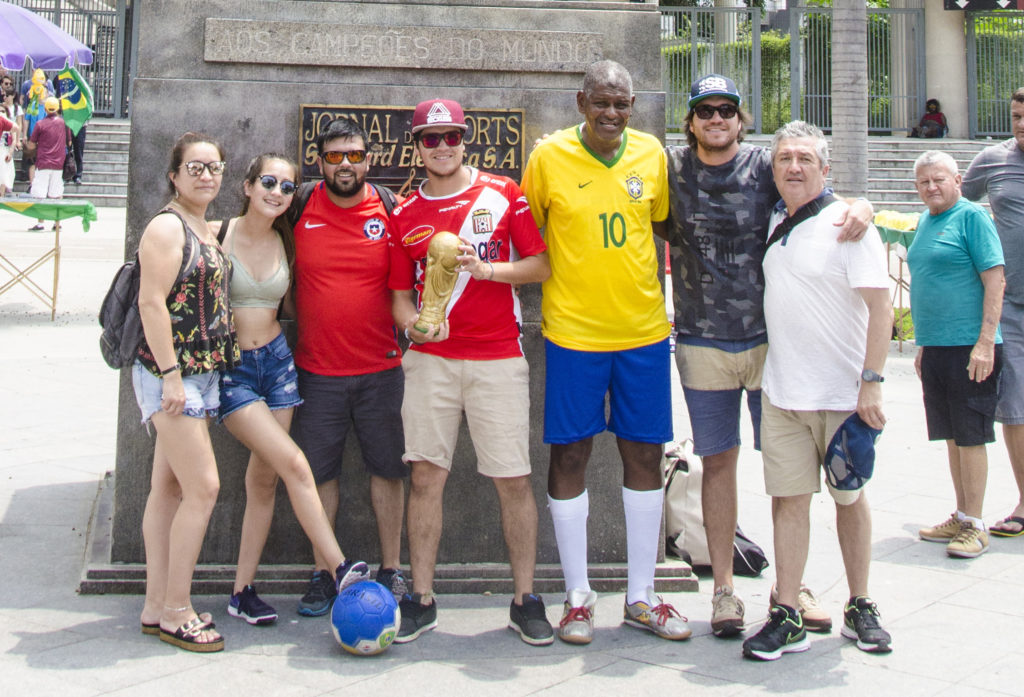
Brazil has always been doing well in the World Cup, and Rio is the first South American city to host the Olympic Games. 100,000+ people were at Maracana Stadium for the games.
@Rio
Brazil has always been doing well in the World Cup, and Rio is the first South American city to host the Olympic Games. 100,000+ people were at Maracana Stadium for the games.
@Rio
If you ask someone from North America what “tapioca” is, they would likely tell you that it is a pudding-type dessert, white and creamy and full of transparent gelatinous balls.
\\
If you ask someone from Singapore / Taiwan / Hong Kong the same question, they would tell you instead it is the enormous “bubbles” in bubble tea.
\\
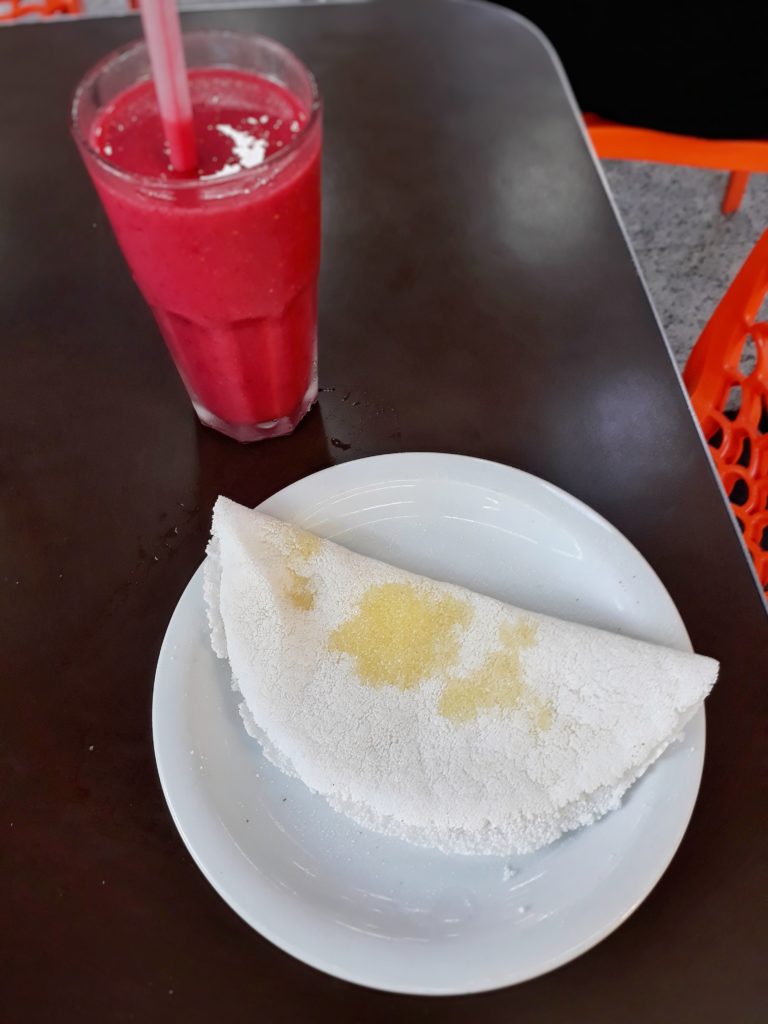
For people in Brazil, tapioca is something totally different: It is a flat griddle-cake, similar to a pancake / crepe – White, chewy, and without much favor. It is then folded and filled with any number of fillings, like crepes are.
@Rio
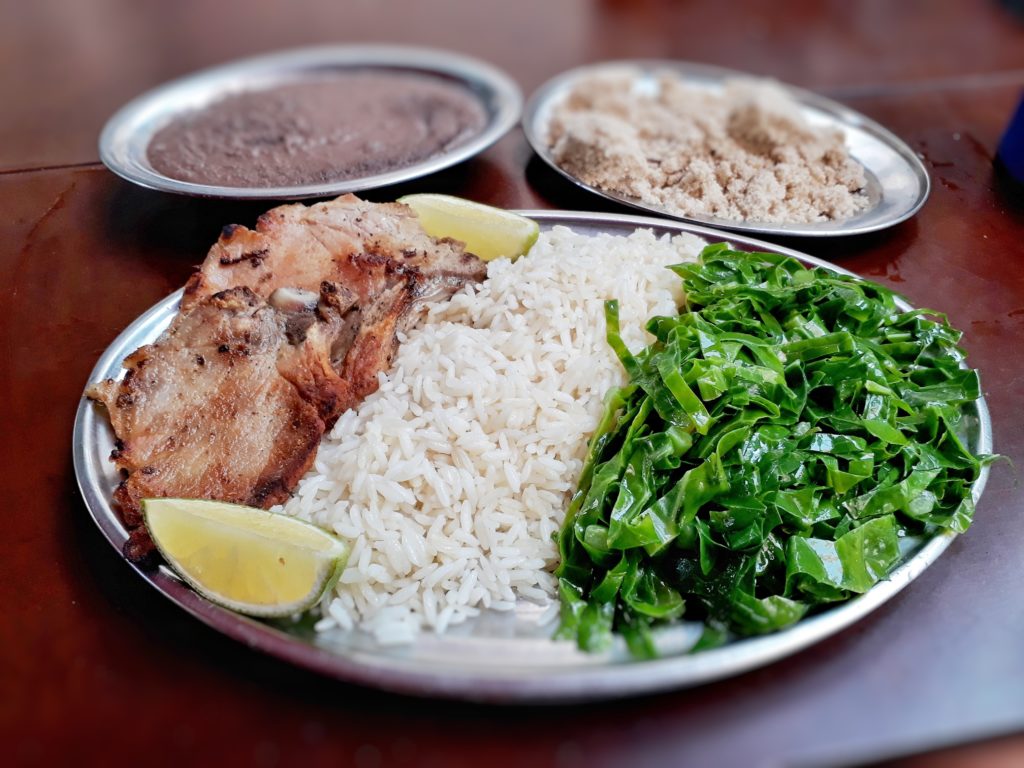
Garlic pork chops, black beans, kale, and cassava flour crumbs (“Carre a Mineira” in Portuguese).
@Rio
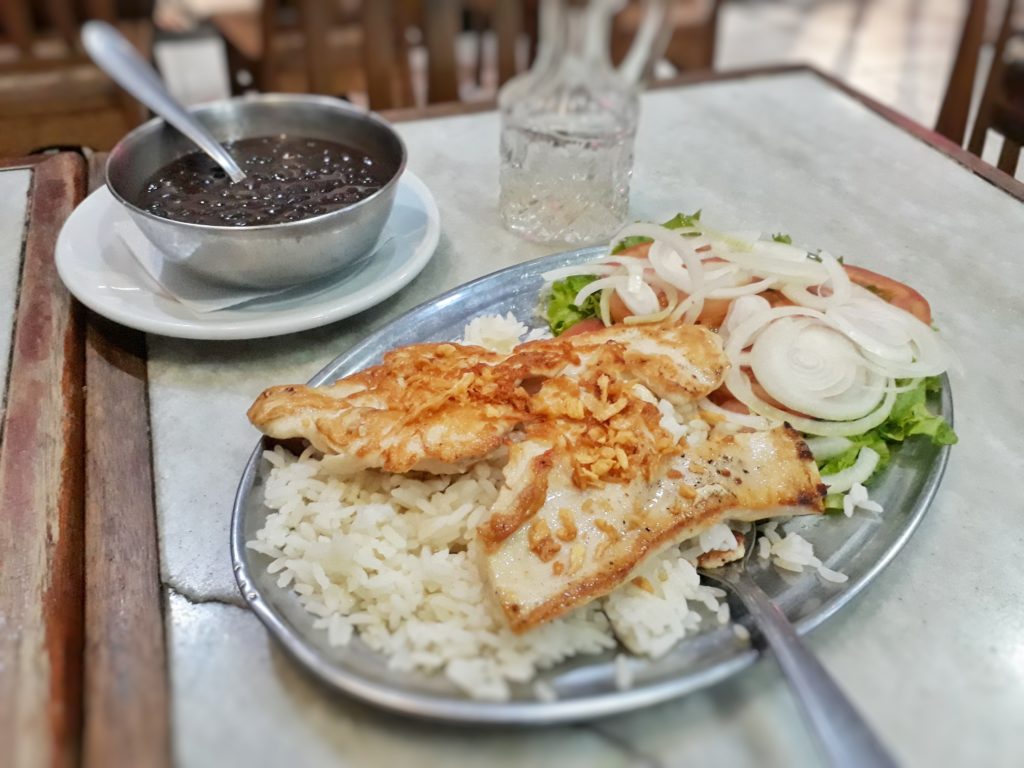
Grilled chicken with rice and salad (“Frango grelhado com arroz e salada” in Portuguese). The Brazilian version of this dish is typically quite a bit saltier than the Asian version.
@Rio
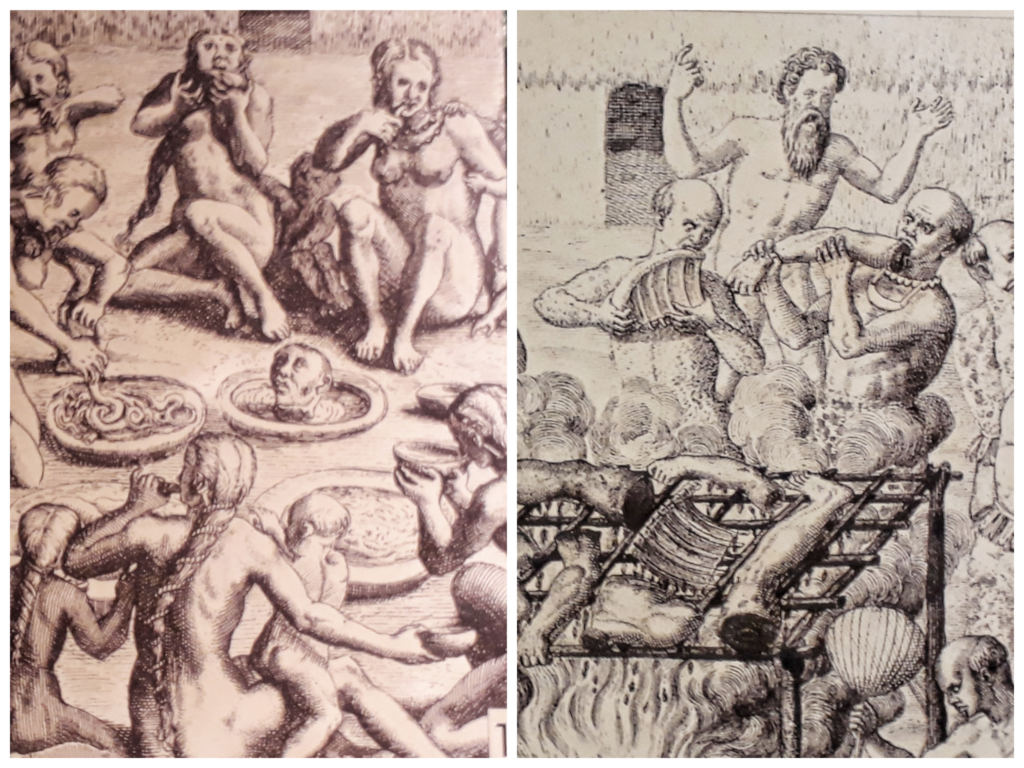
The Tupinamba was one of the indigenous groups in the Brazilian Amazon rainforest before the conquest by the Portuguese. As the Tupi tribes engage in wars, they would capture their enemies, kill them in cannibalistic rituals, and eat them in order to absorb their strengths; for some other indigenous groups that inhabited the remote interior of Brazil, the mother would eat her child’s dead body in mourning as a symbol of her love.
@Rio
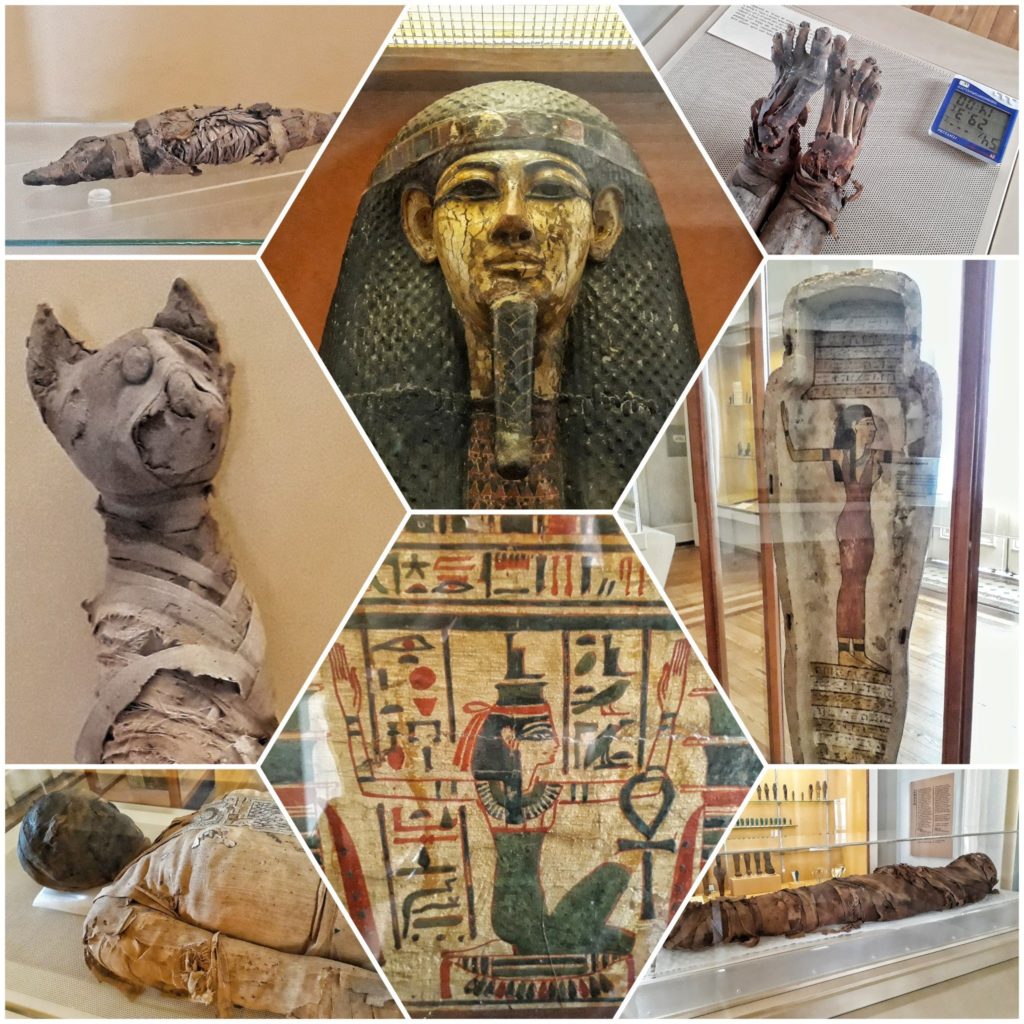
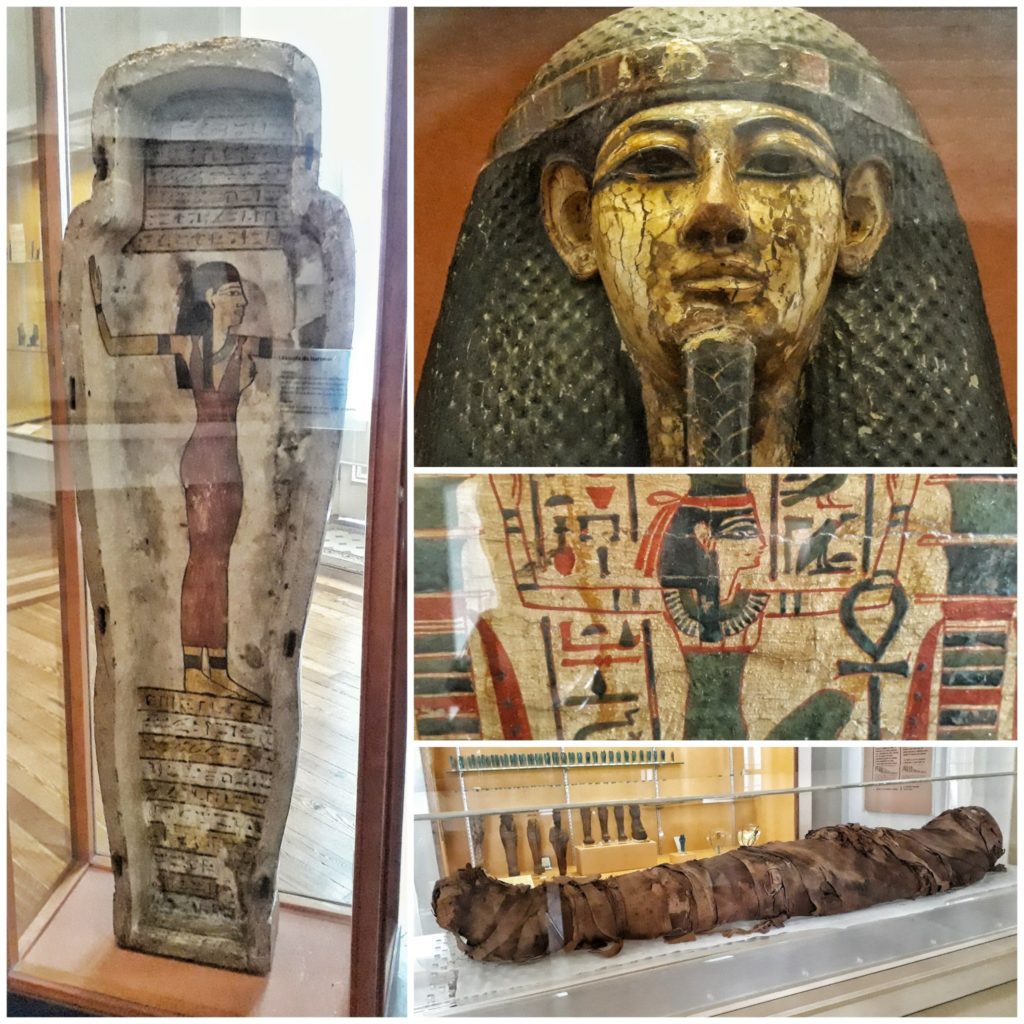
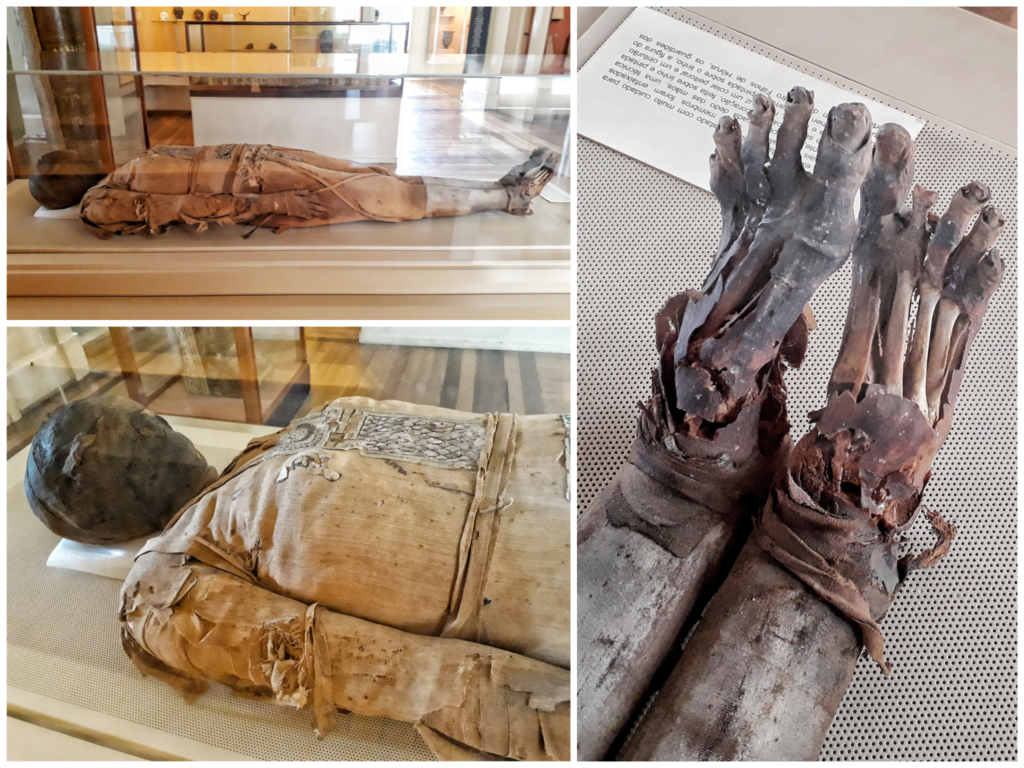
Egyptian mummies of human, cats, and crocodiles brought from Luxor being displayed at the National Museum of Brazil.
\\
There are two very good museums in Rio: The National History Museum, which has a large variety of exhibits displayed in both Portuguese and English (rare in South America). And the National Museum of Brazil, which surprisingly has very good exhibits of other countries. The presentations of the mummies from Egypt, Peru, and Chile are top-notch even compared with those in their corresponding countries.
@Rio
Egyptian mummies of human, cats, and crocodiles brought from Luxor being displayed at the National Museum of Brazil.
\\
There are two very good museums in Rio: The National History Museum, which has a large variety of exhibits displayed in both Portuguese and English (rare in South America). And the National Museum of Brazil, which surprisingly has very good exhibits of other countries. The presentations of the mummies from Egypt, Peru, and Chile are top-notch even compared with those in their corresponding countries.
@Rio
Egyptian mummies of human, cats, and crocodiles brought from Luxor being displayed at the National Museum of Brazil.
\\
There are two very good museums in Rio: The National History Museum, which has a large variety of exhibits displayed in both Portuguese and English (rare in South America). And the National Museum of Brazil, which surprisingly has very good exhibits of other countries. The presentations of the mummies from Egypt, Peru, and Chile are top-notch even compared with those in their corresponding countries.
@Rio
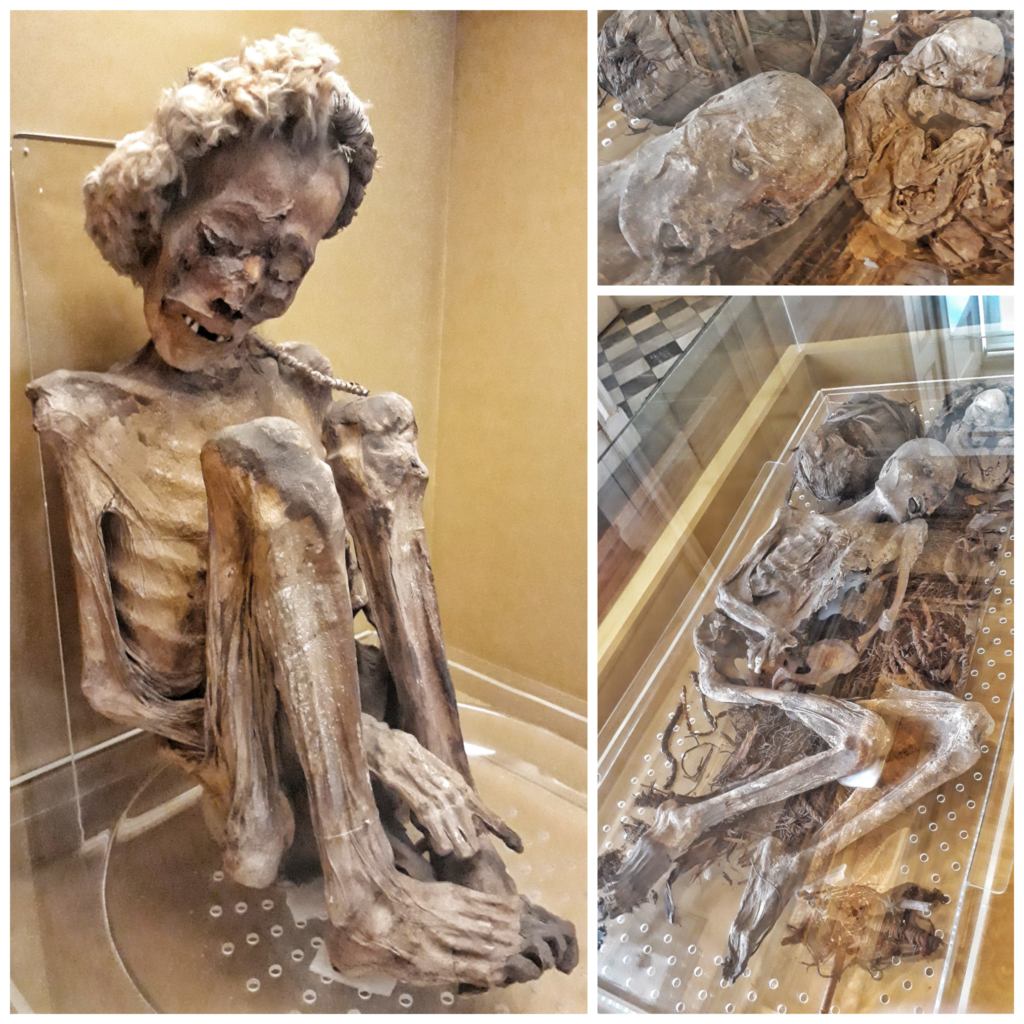
Chilean mummy wearing a hat made of llama fur being displayed at the National Museum of Brazil.
\\
There are two very good museums in Rio: The National History Museum, which has a large variety of exhibits displayed in both Portuguese and English (rare in South America). And the National Museum of Brazil, which surprisingly has very good exhibits of other countries. The presentations of the mummies from Egypt, Peru, and Chile are top-notch even compared with those in their corresponding countries.
@Rio
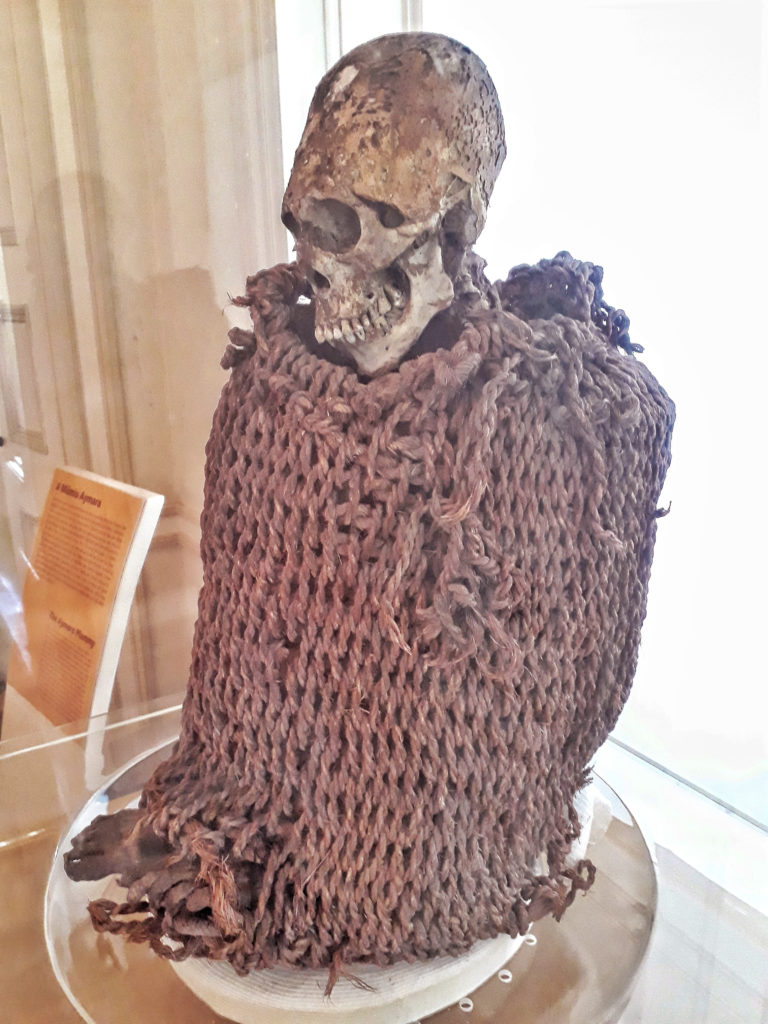
Peruvian Aymara mummy from the Titicaca region being displayed at the National Museum of Brazil. The Inca is in a sitting position, with a basket waven around the body, exposing only the face and the tips of the feet.
\\
There are two very good museums in Rio: The National History Museum, which has a large variety of exhibits displayed in both Portuguese and English (rare in South America). And the National Museum of Brazil, which surprisingly has very good exhibits of other countries. The presentations of the mummies from Egypt, Peru, and Chile are top-notch even compared with those in their corresponding countries.
@Rio
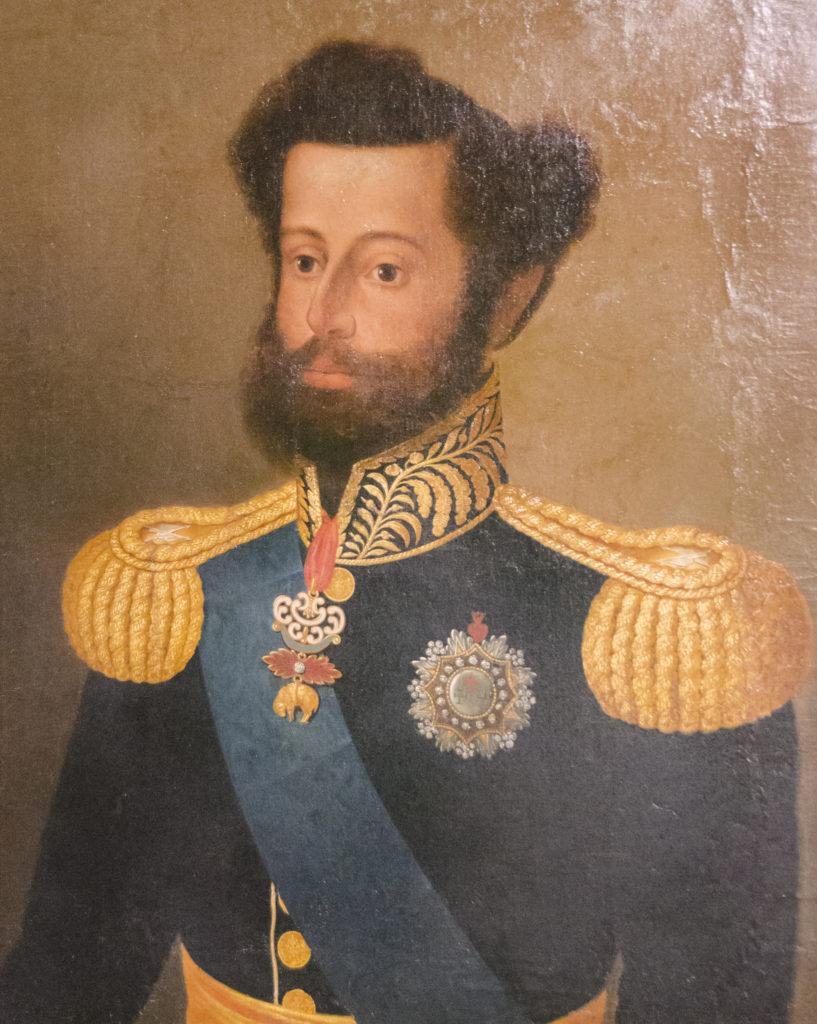
Pedro I of Brazil (= Pedro IV of Portugal) was born in Lisbon, Portugal. When Portugal was invaded by France, he fled to Portugal’s largest and wealthiest colony, Brazil, and became the first ruler of the Empire of Brazil (which formed modern day Brazil and Uruguay).
\\
Pedro had received everything in double: One part inherited (Portugal) and another conquered (Brazil). He had two countries, two people, and his name appears in the history of two continents. He also loved so many women that even his confessor lost count of them.
@Rio
Before I came to Rio, I was a little concern about safety in the city: Travel alert from the Department of State stated that armed robbery is common day and night. Bloggers who have been there warned that robbery is not just limited to marginalized areas and a bad situation can get very bad very quickly – So after spending some time in the city, what do I think about Rio?
\\
First off, you have to understand that Brazil is not exactly in a good economic condition. Brazil has been in a recession since 2014. Income inequality is very real and it shows in the streets. But overall, I don’t feel like Rio is any more dangerous than any big cities in other parts of the world: I spent my week in Rio walking different neighborhoods and taking public transportation every day, and I didn’t feel like I was in any kind of danger (beside the danger of getting dehydrated because it was very hot here!). As long as you don’t flash your new iPhone in the street or walk alone in sketchy neighborhood at night, you will probably be fine. Rio has a lot to offer and is very enjoyable as long as you stay safe.
@Rio
At Sao Paulo International Airport you can change your flight, your currency, and even your baby!
@SaoPaulo
Brazilian airline Azul from Argentina to Brazil.
@Rio
I decided to spend the last week of my travel back in La Paz Bolivia before heading back to the states. Since it will be my last week of travel, there is no plan to go anywhere: I will use this time to rest, reflect, and make some decisions regarding my future plan back home.
@SaoPaulo