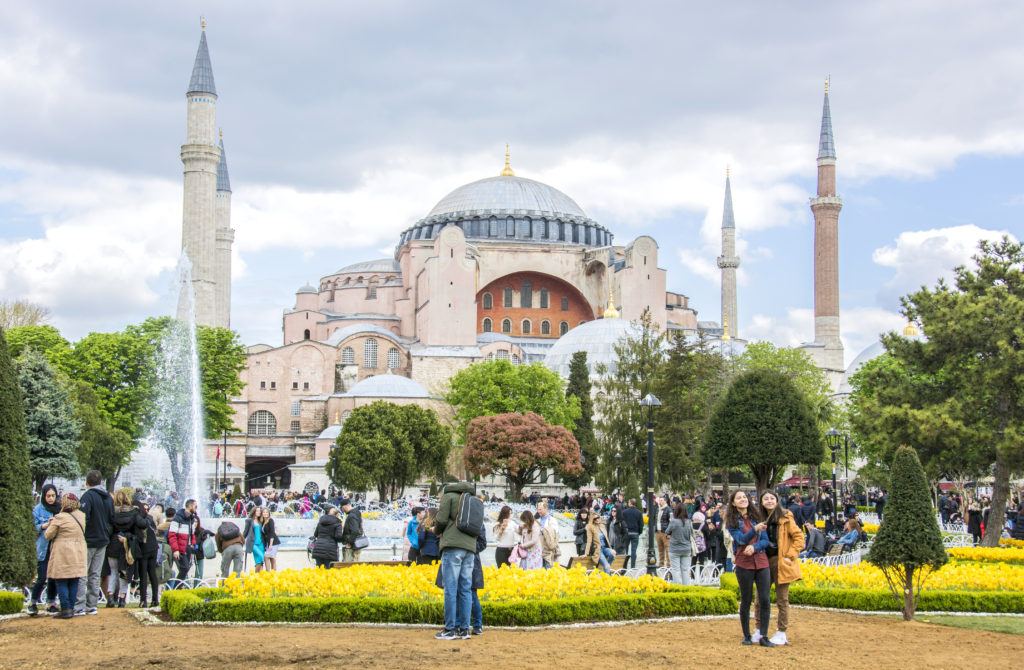
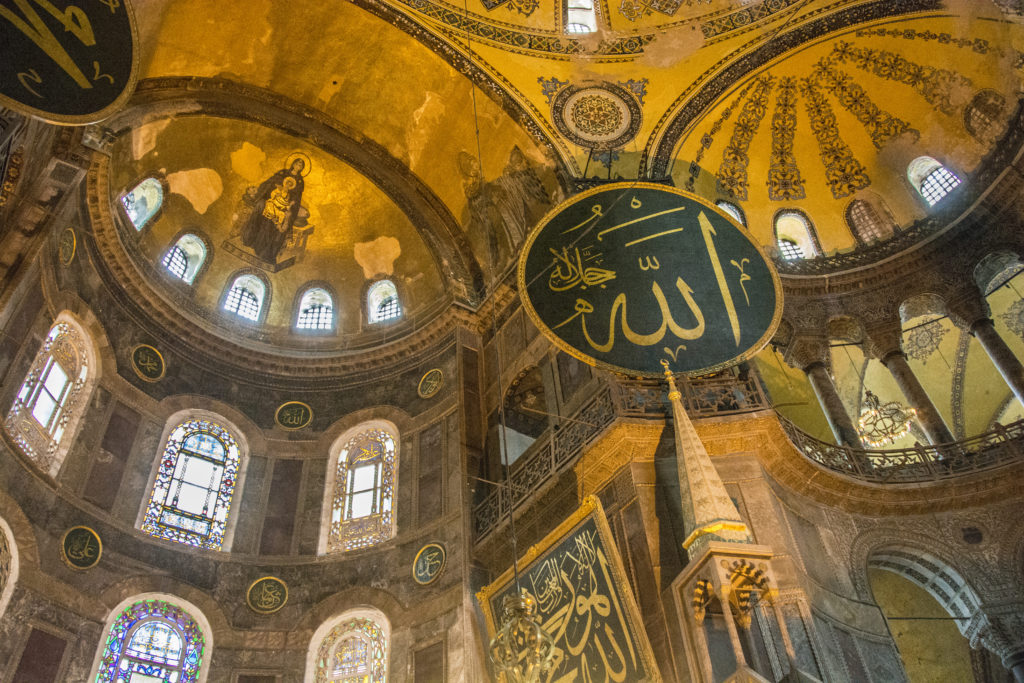
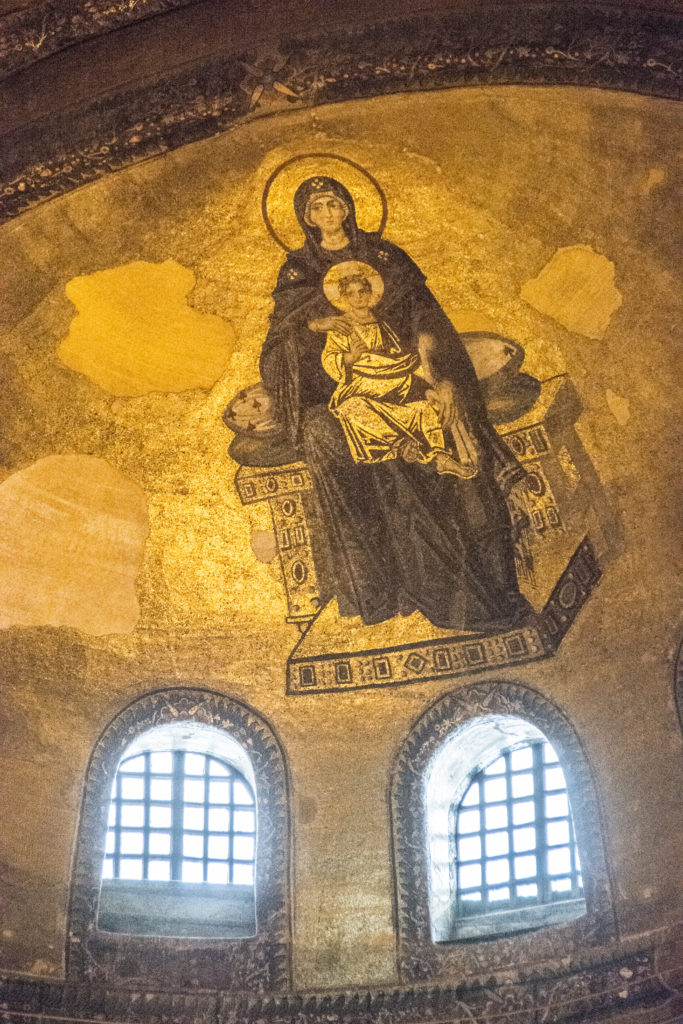
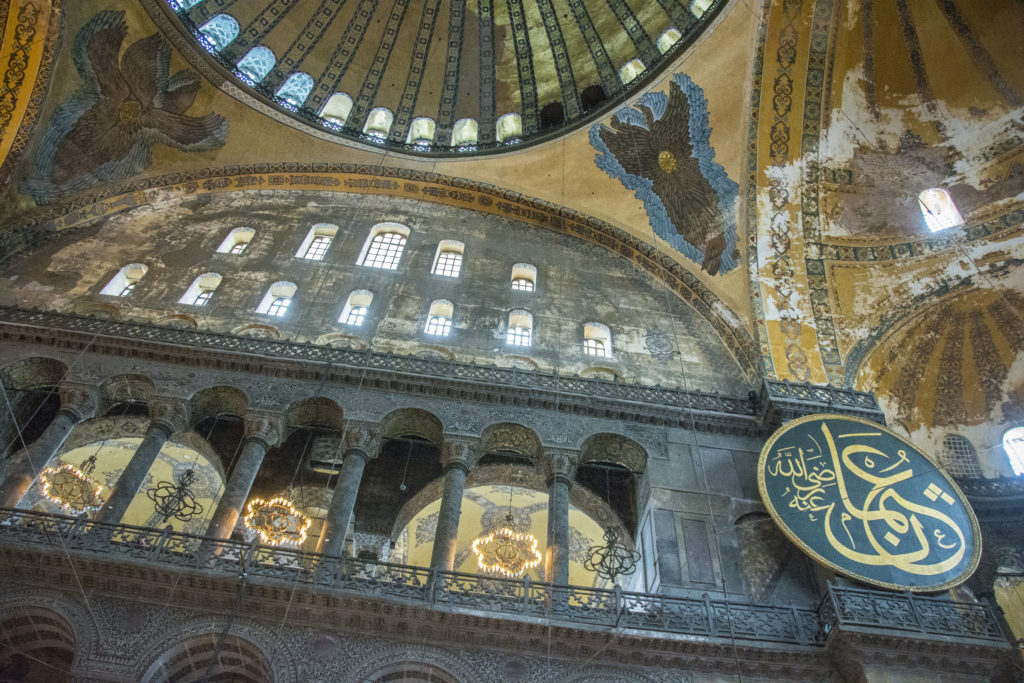
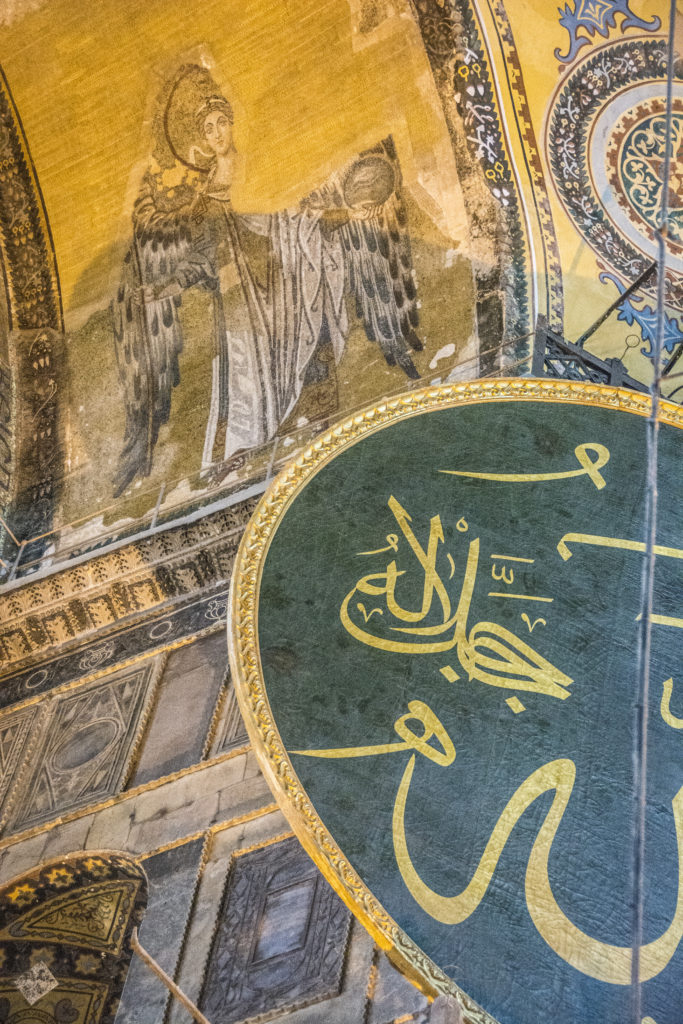
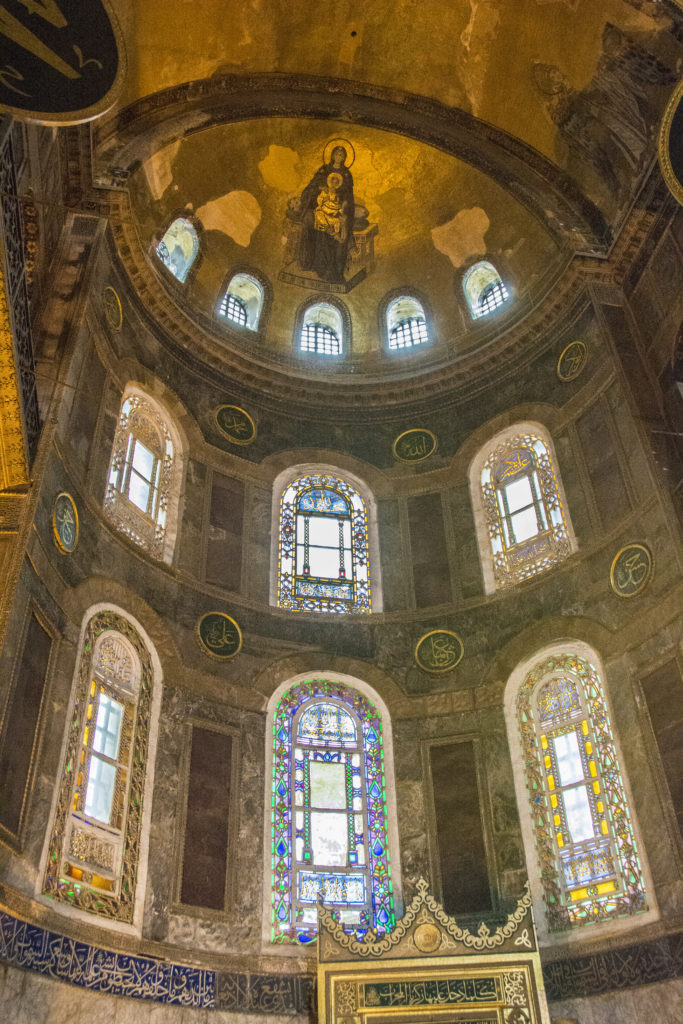
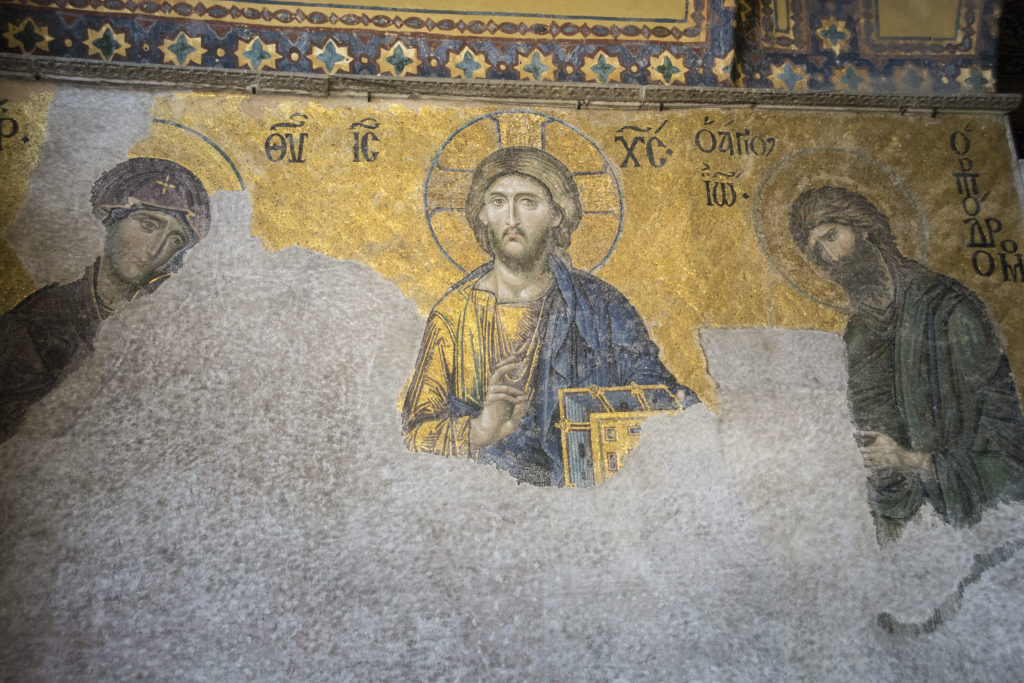
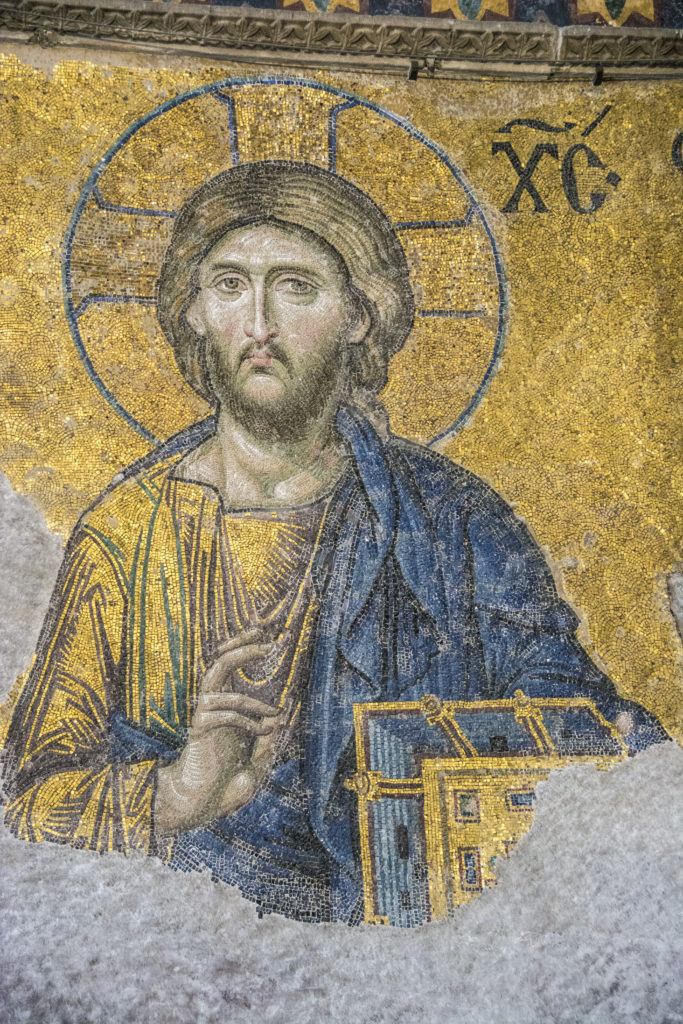
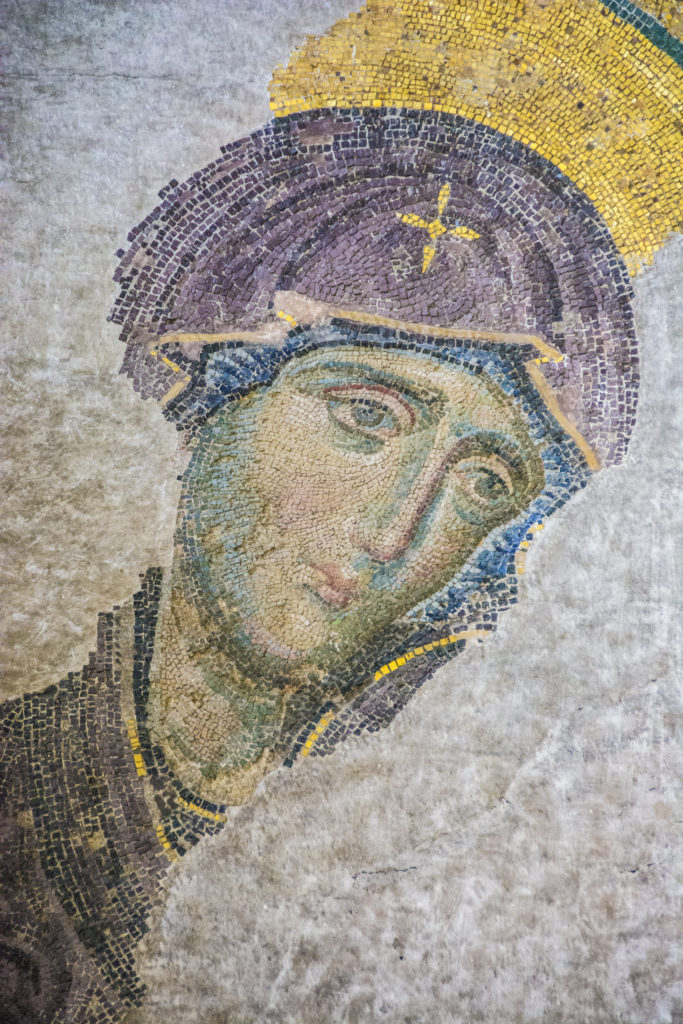
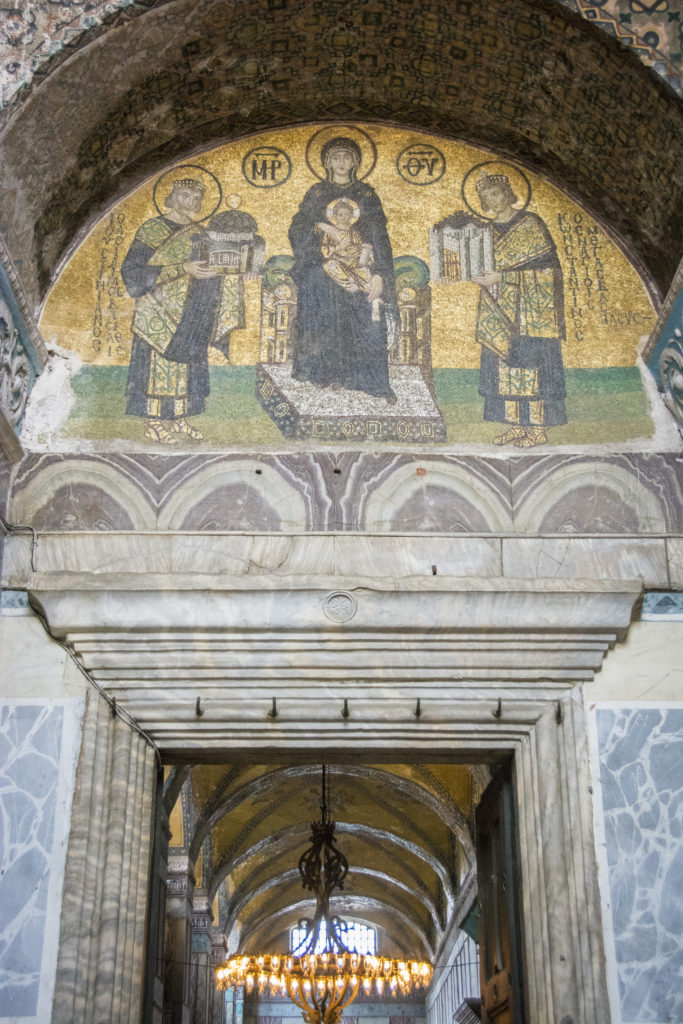
Here is one common question about Hagia Sophia: When the Turkish Ottoman Empire converted the Orthodox Christian cathedral into a mosque, why did they keep the mosaics of Jesus and Mary?
Turns out Muslims love Jesus too! Muslims do not believe that Jesus was the son of God – a critically important distinction between Muslim and Christian views of him, but they do revere him as a holy prophet. Jesus (along with Mary, Adam, Moses, and a bunch of other Bible characters) are all in the Quran. In fact, Mary is the only woman specifically named in the Quran and has an entire chapter dedicated to her.
Muslims do not necessarily need to perform prayers in a mosque, but can pray anywhere that is clean. For five times a day, they turn toward Mecca in Saudi Arabia to perform their prayers at set times (sunrise, midday, afternoon, evening, and nightfall).
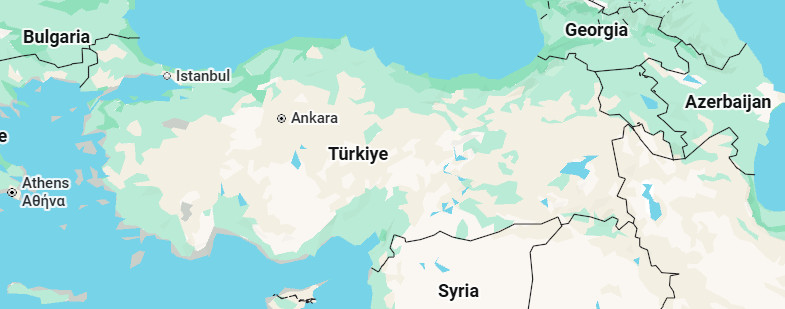
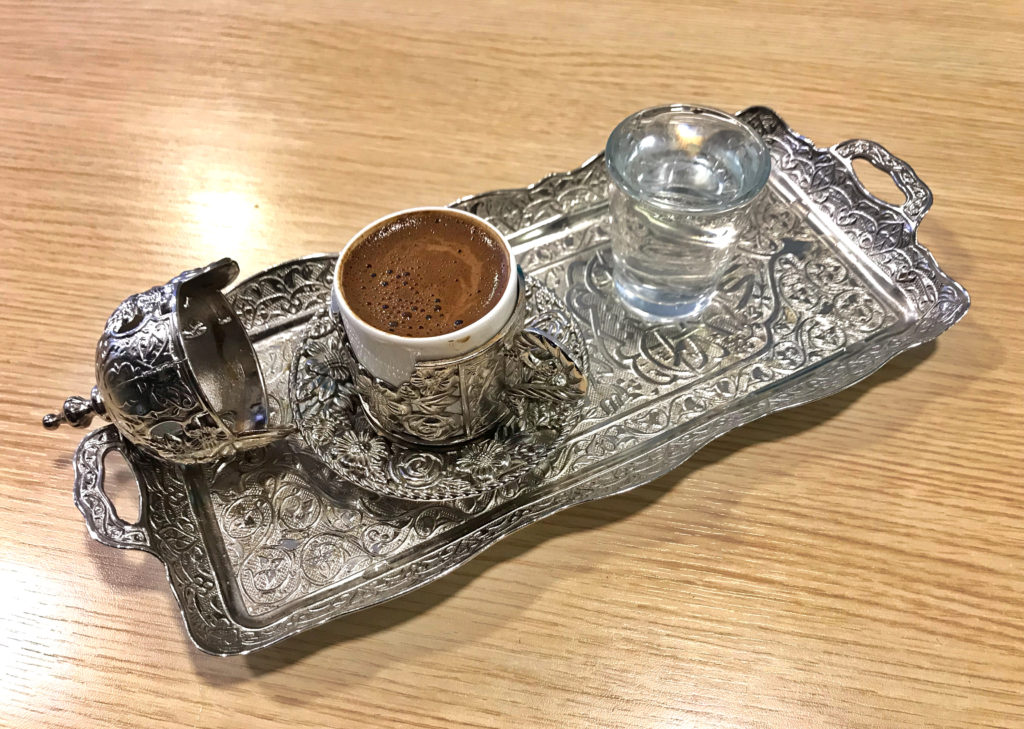
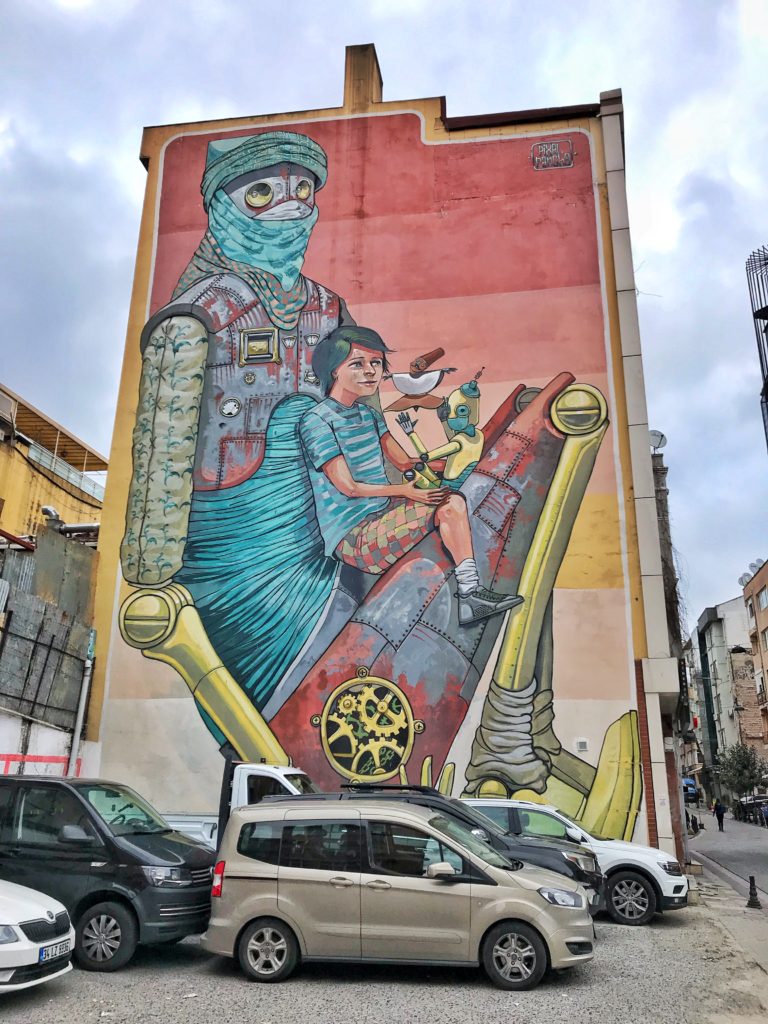
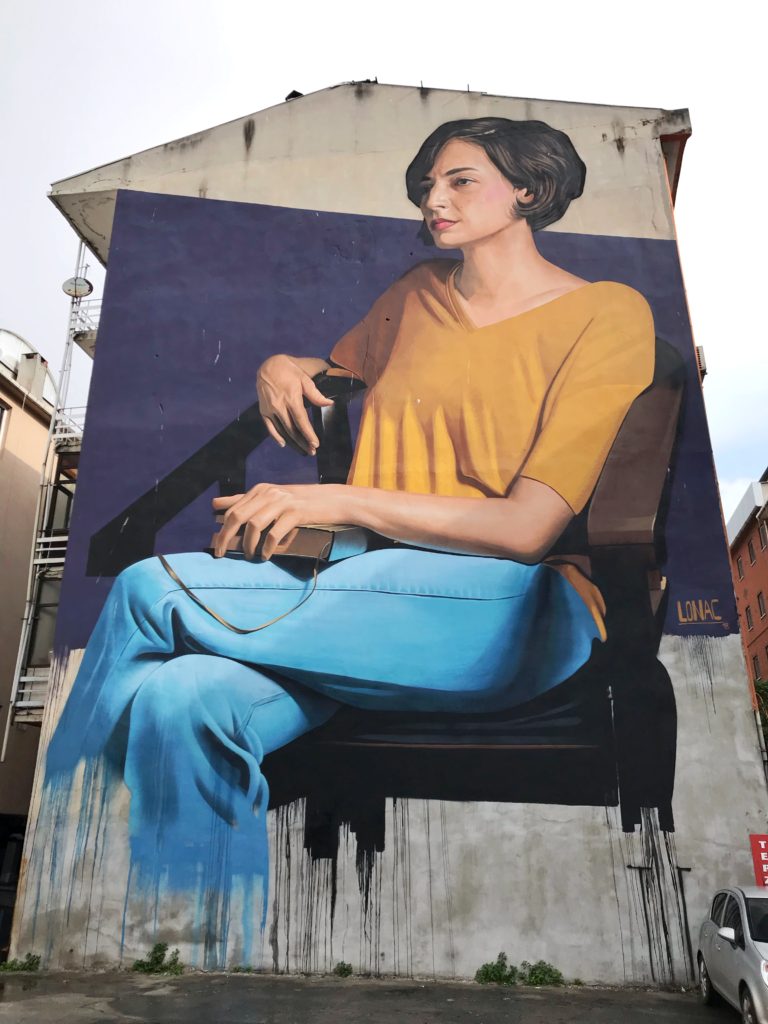
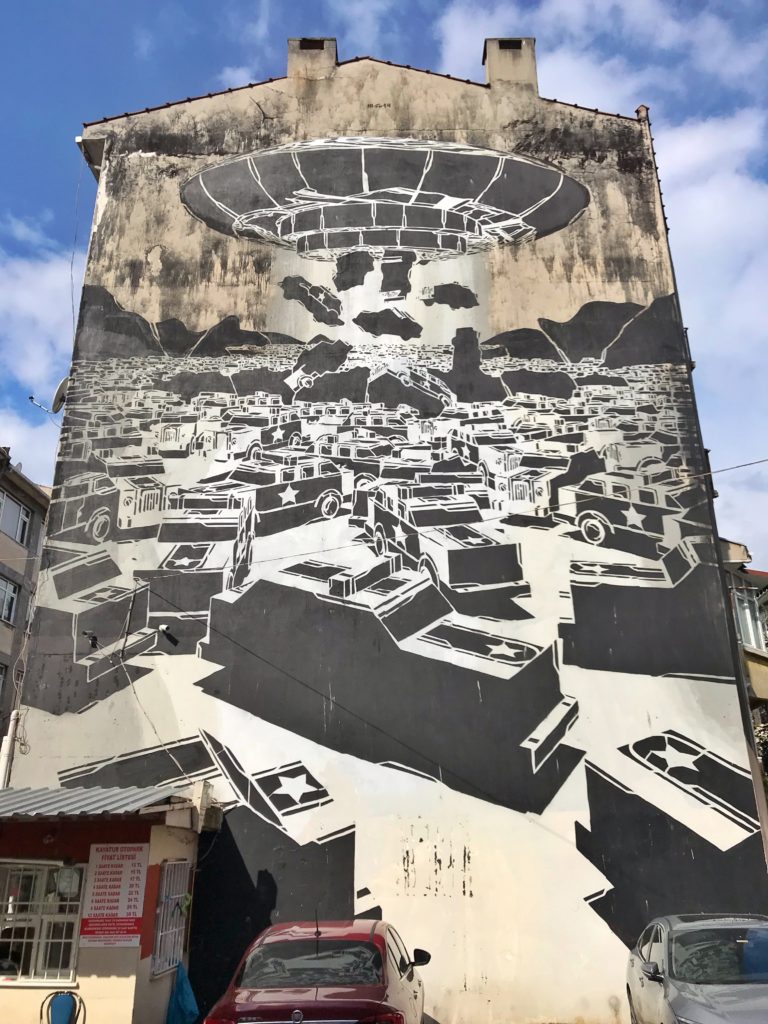
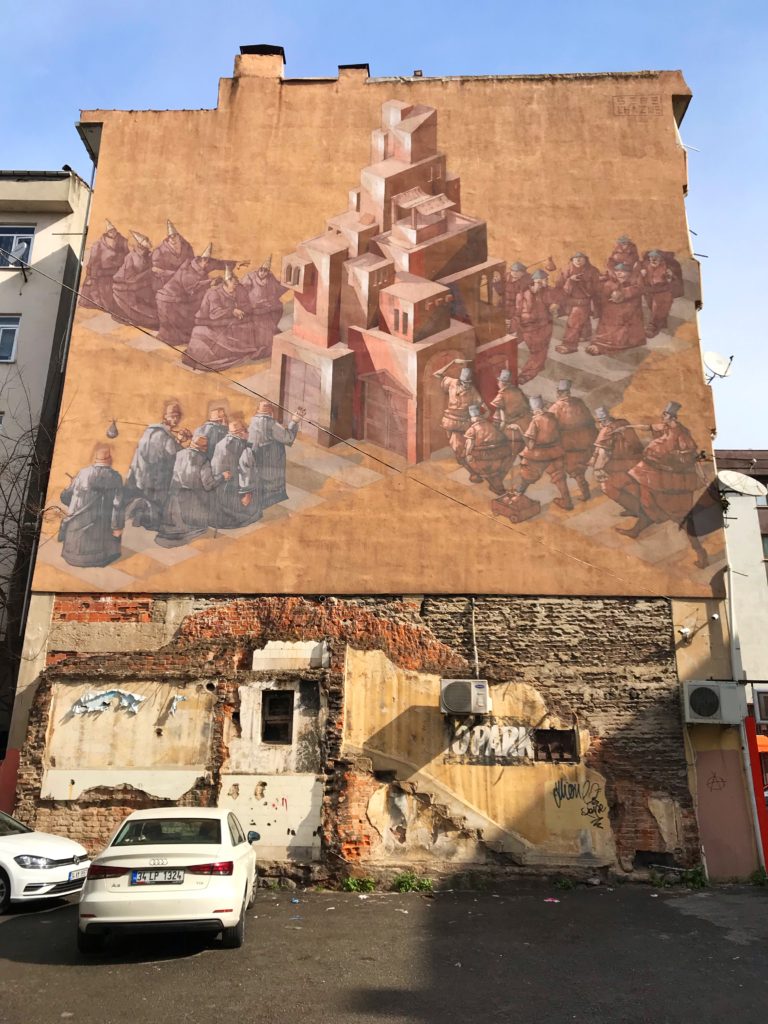
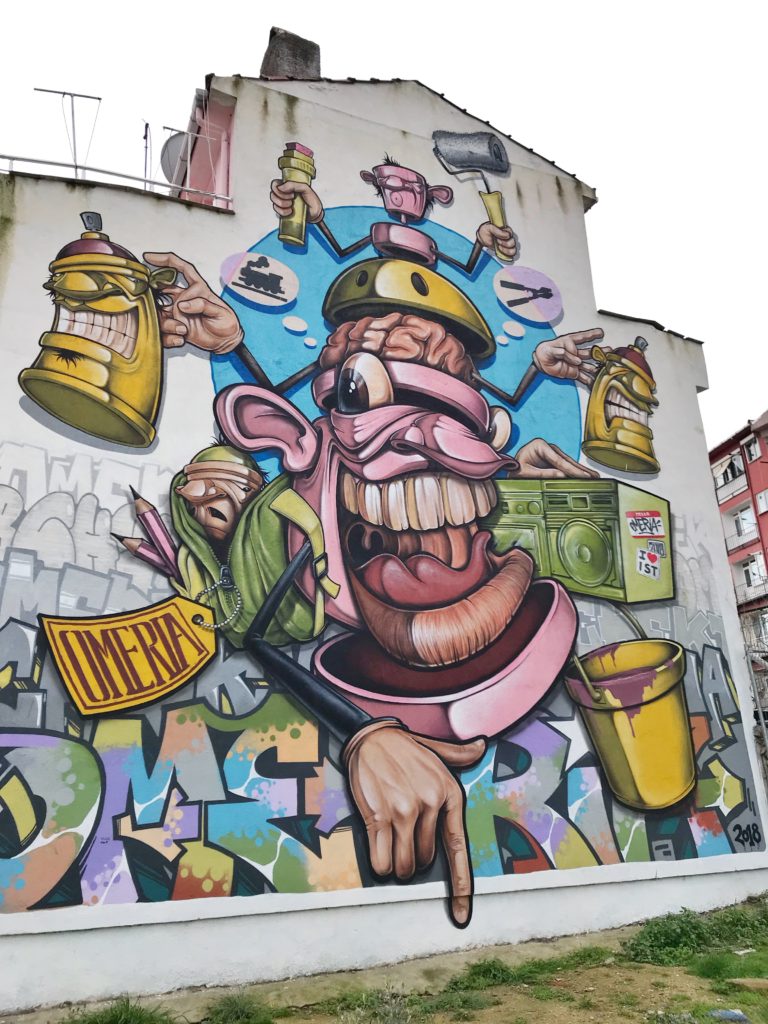
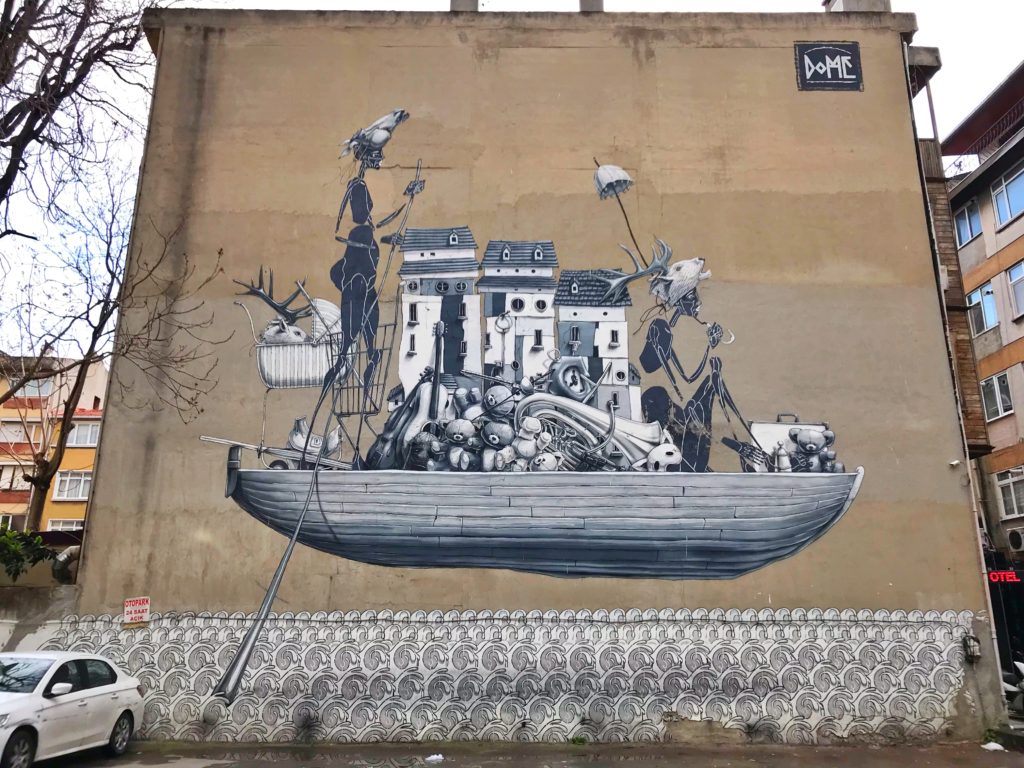
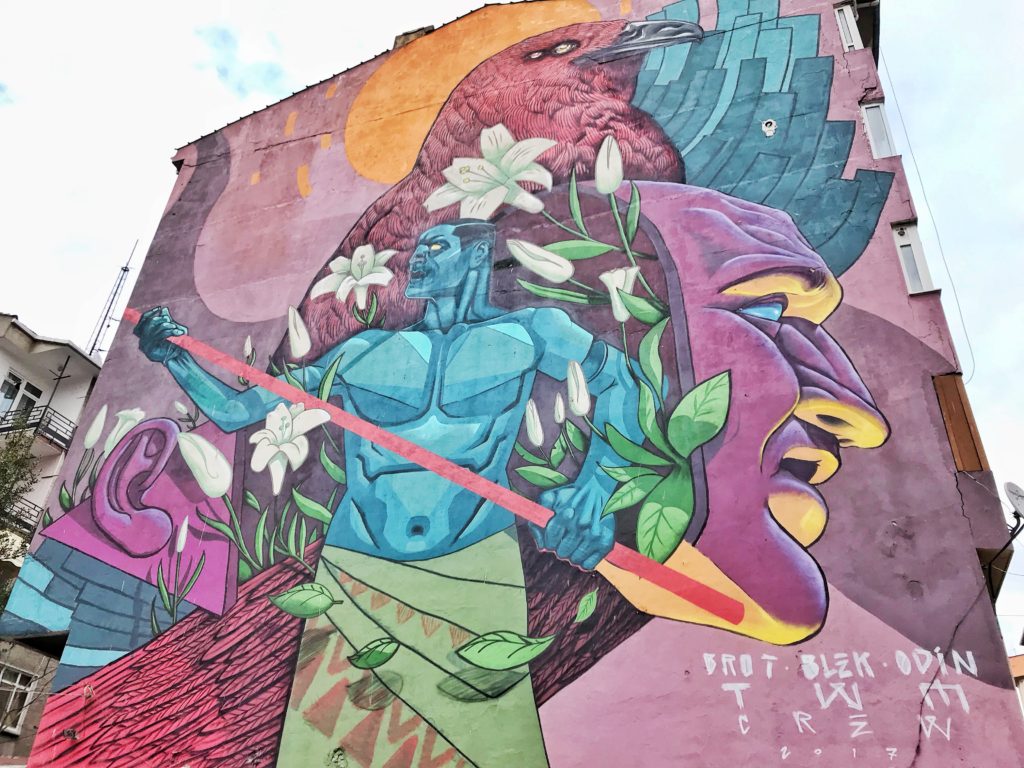
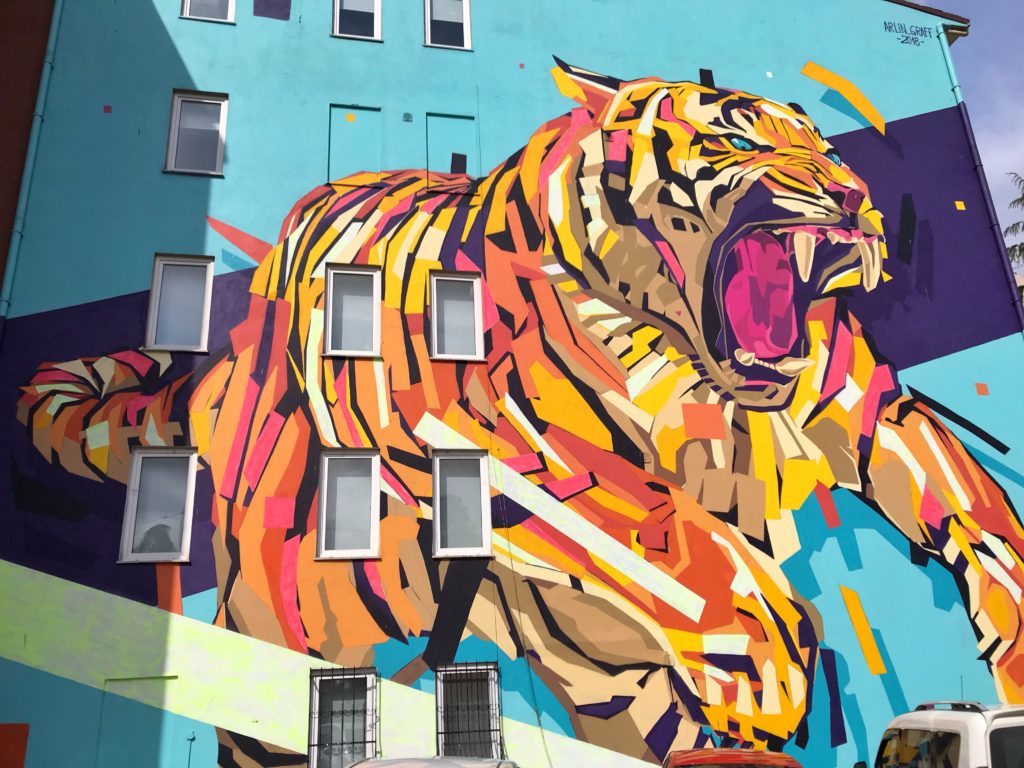
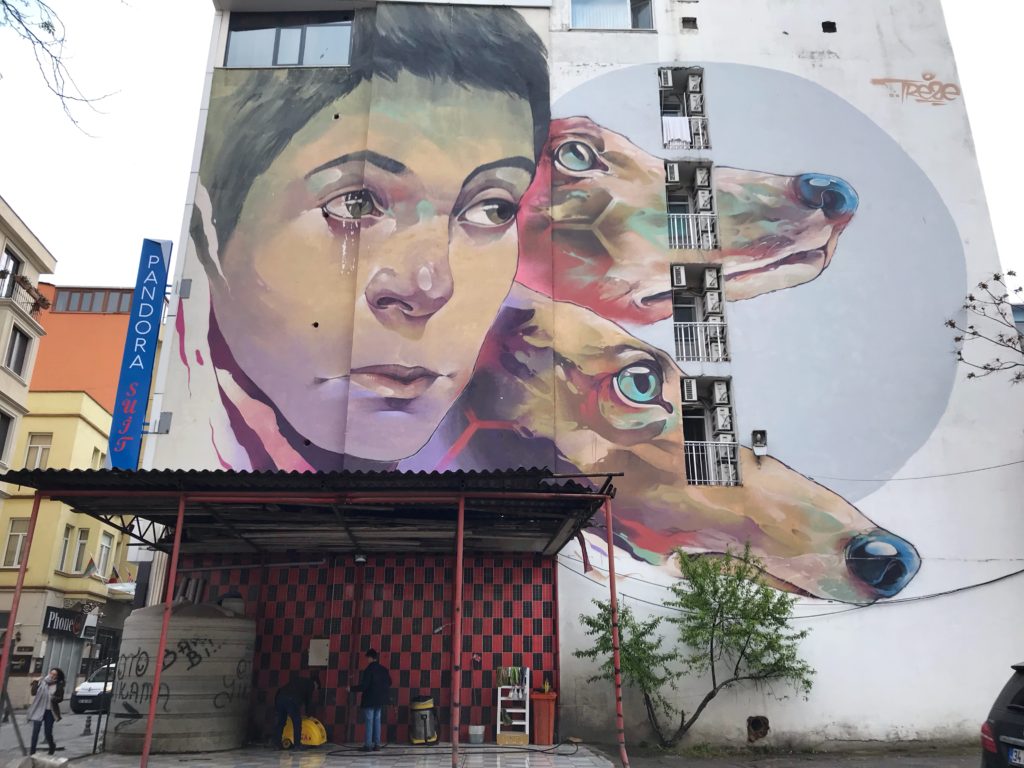
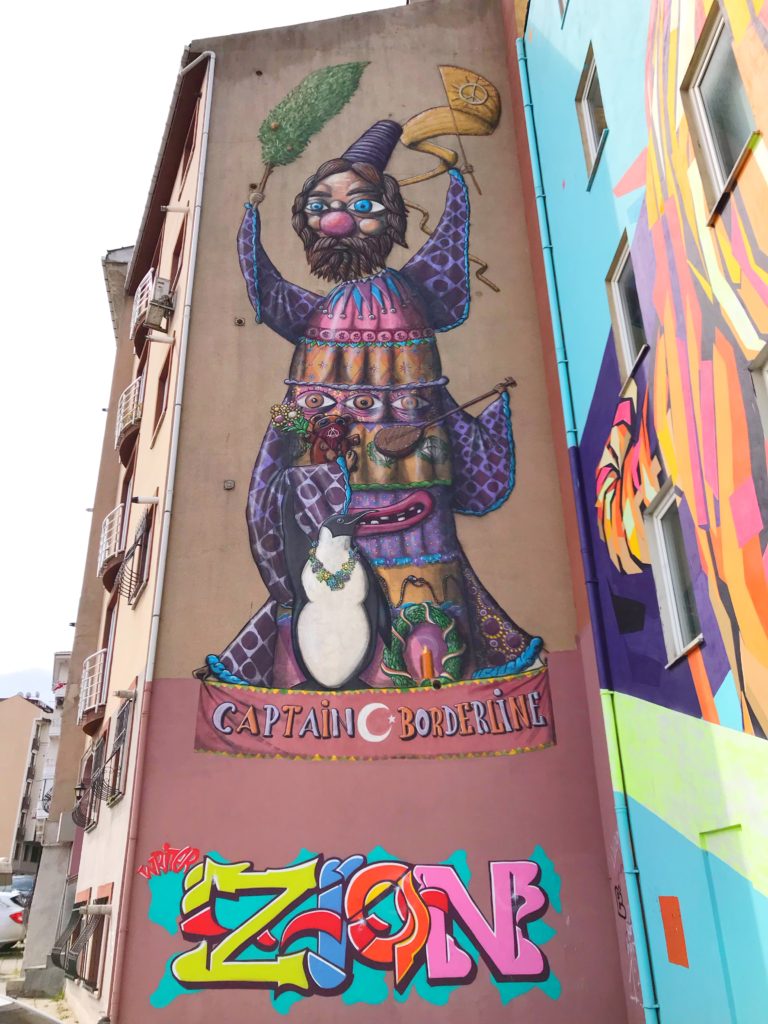
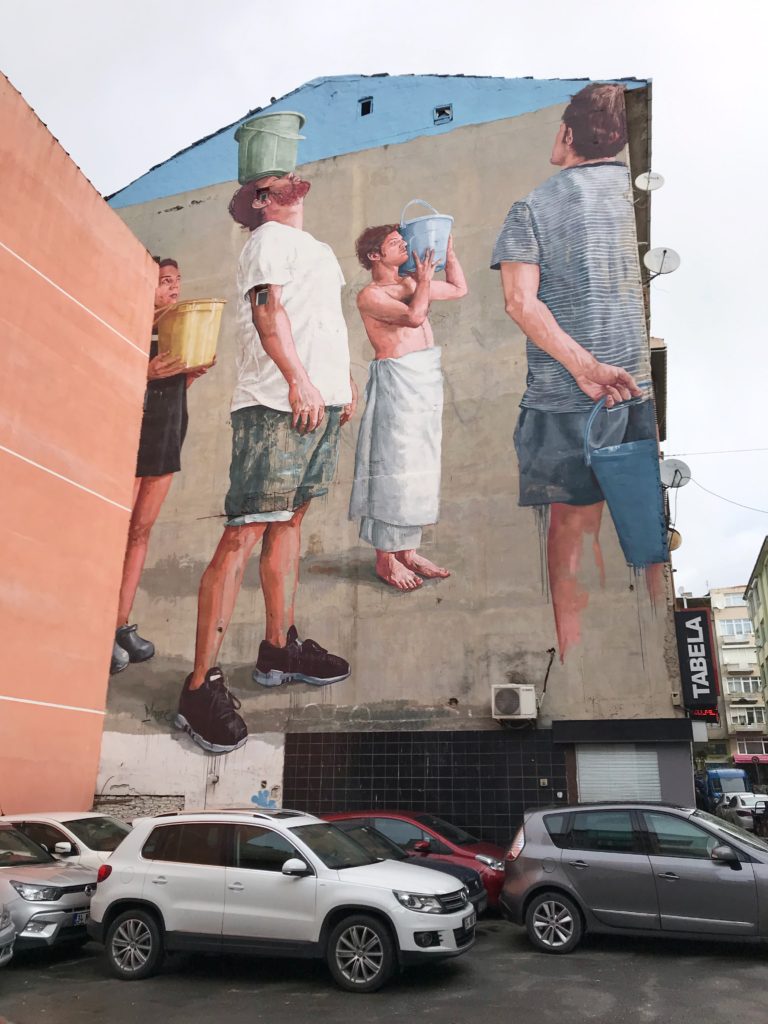
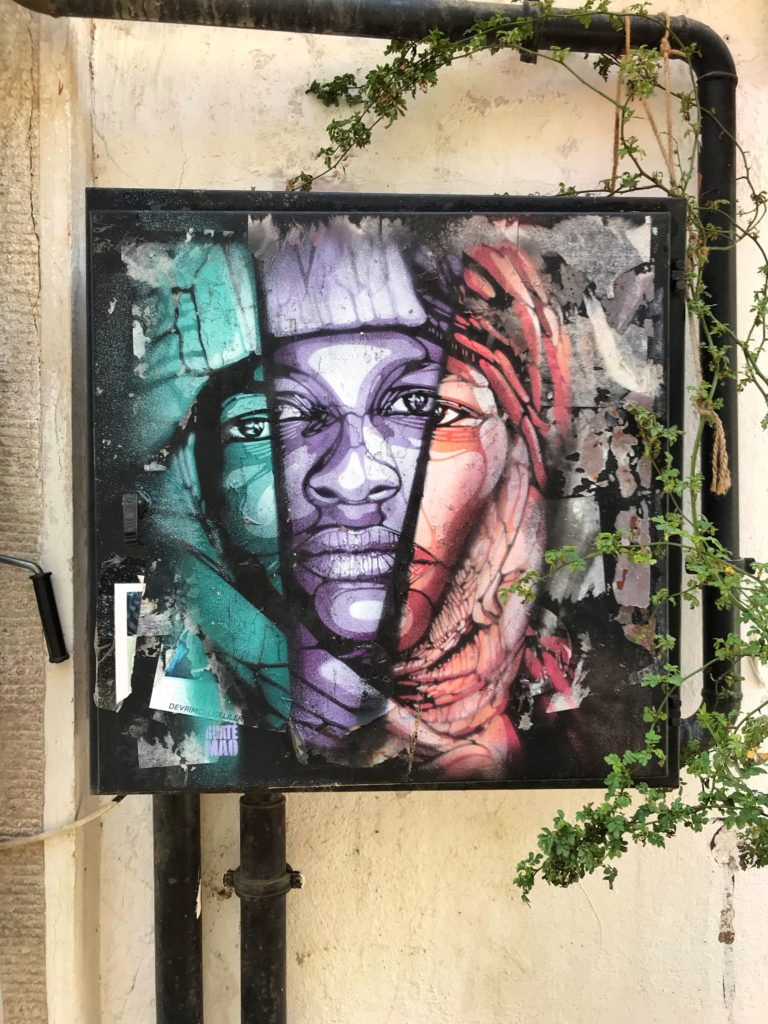
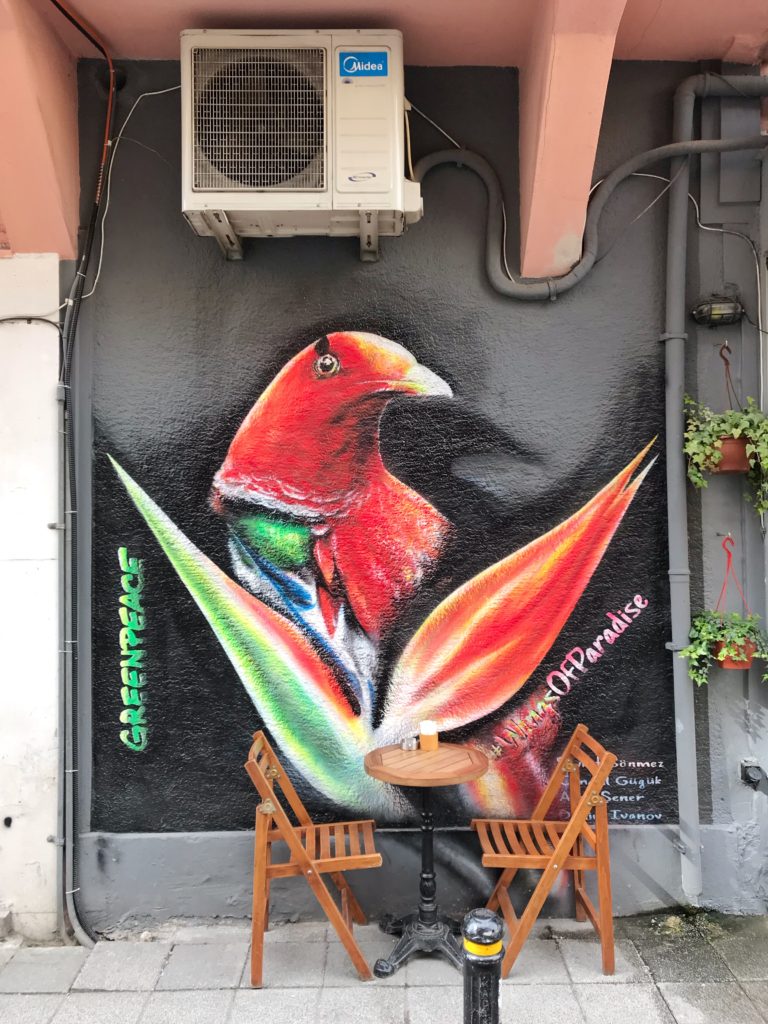
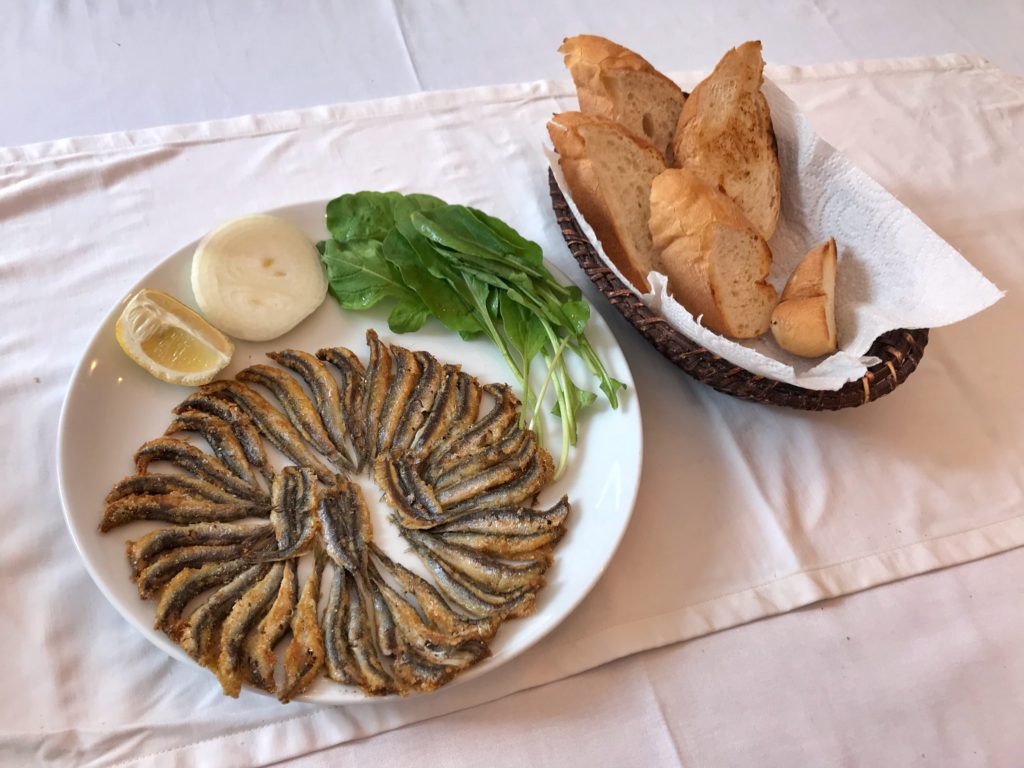
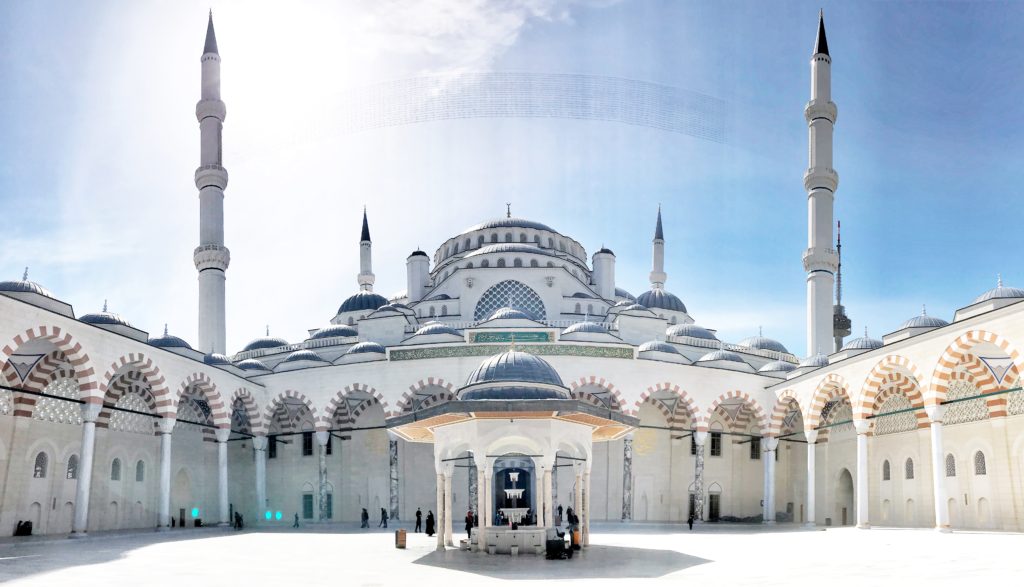
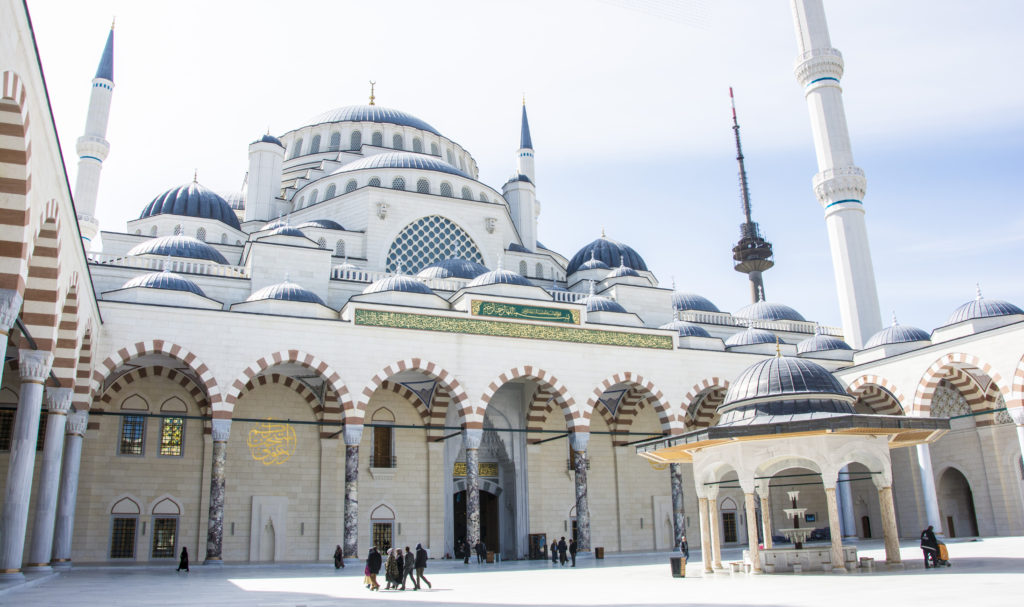
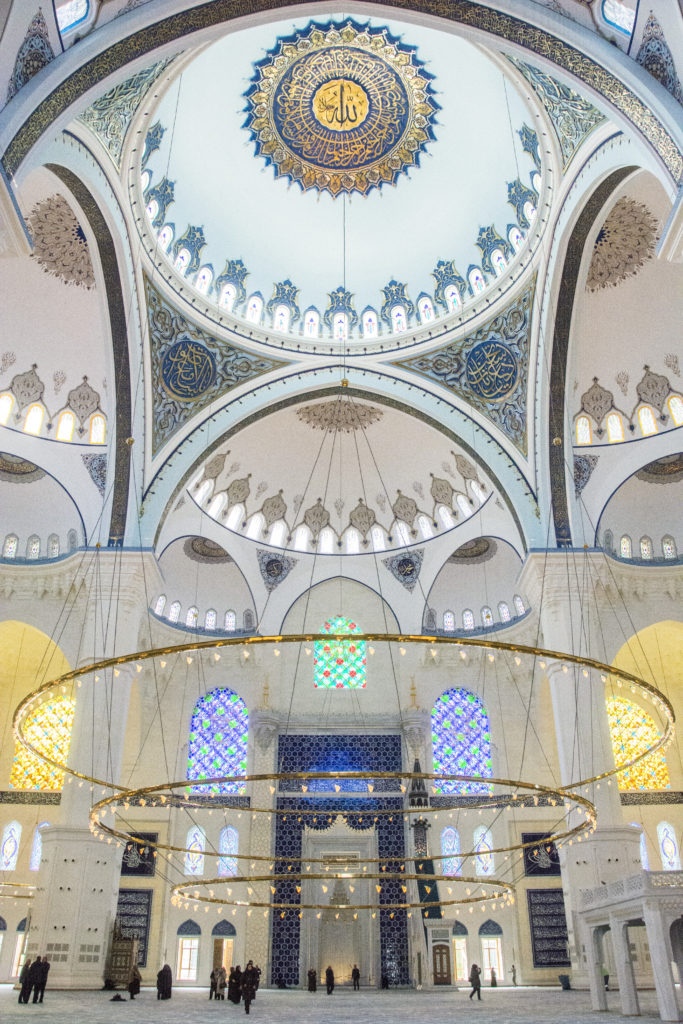
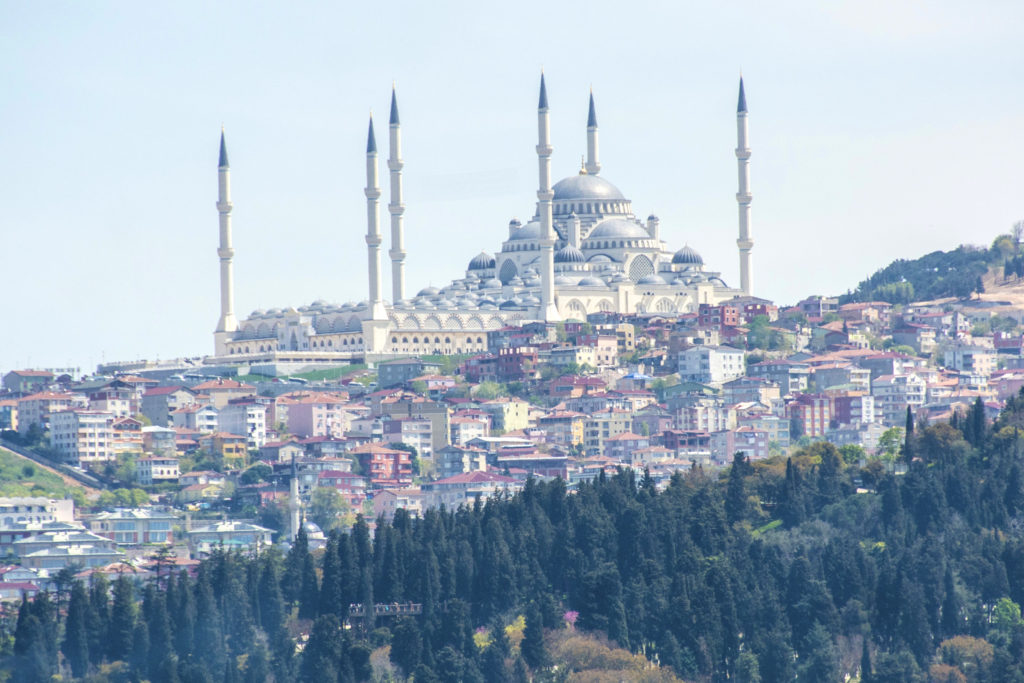
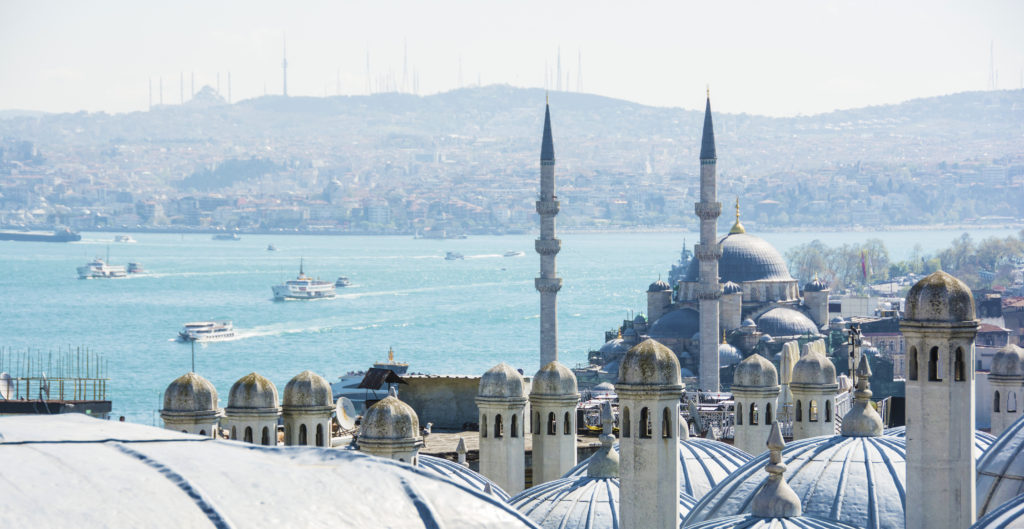
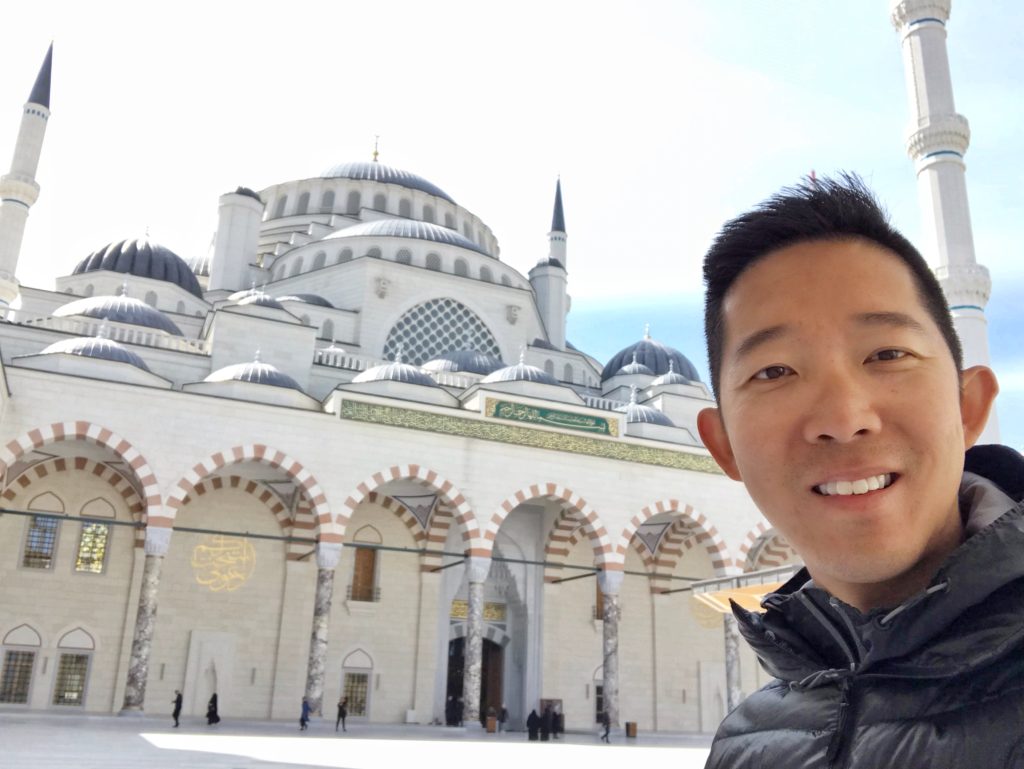
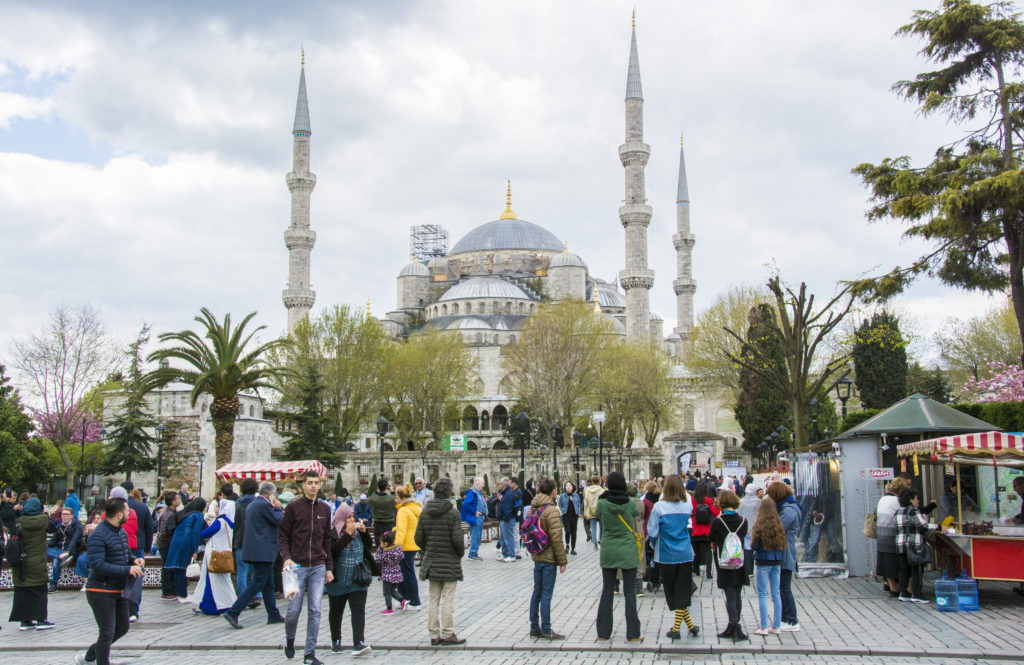
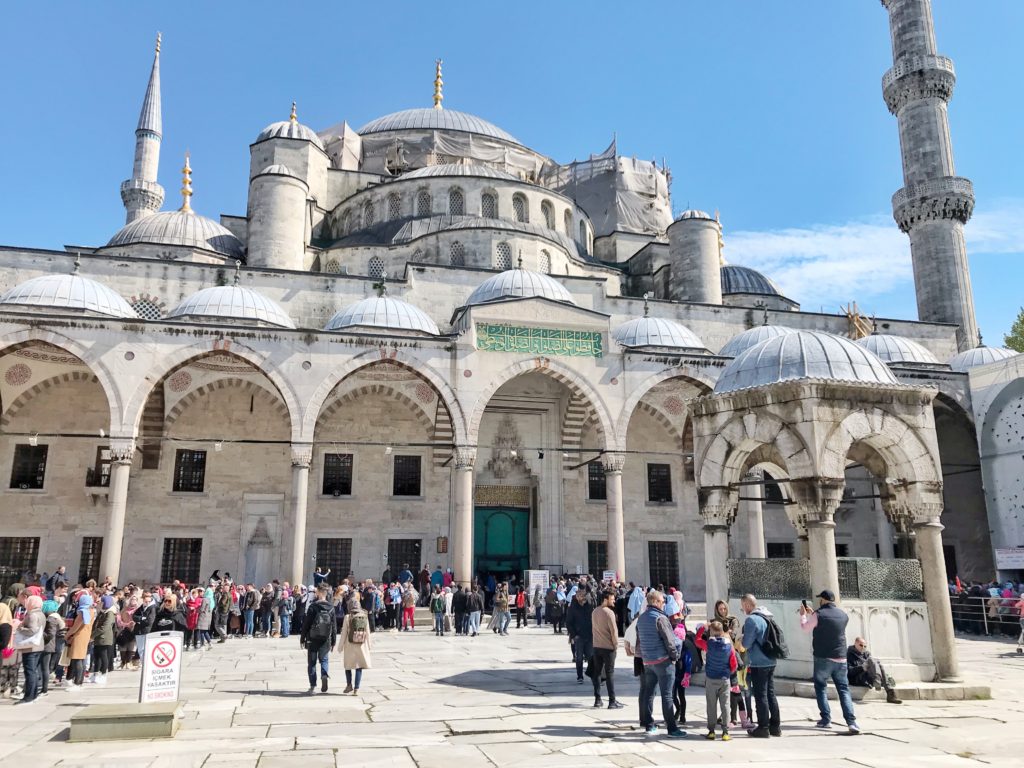
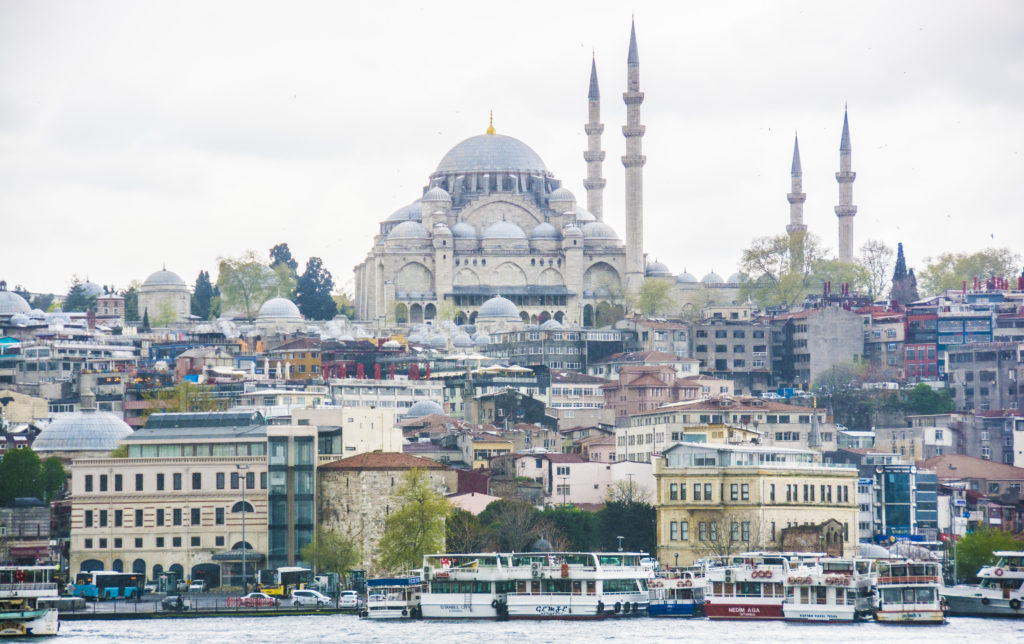
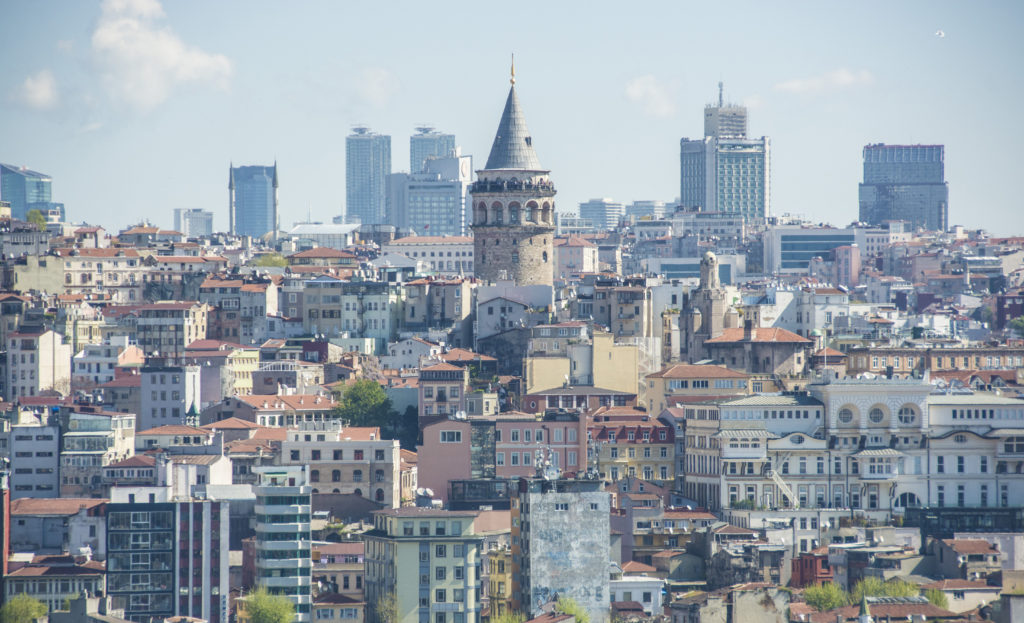
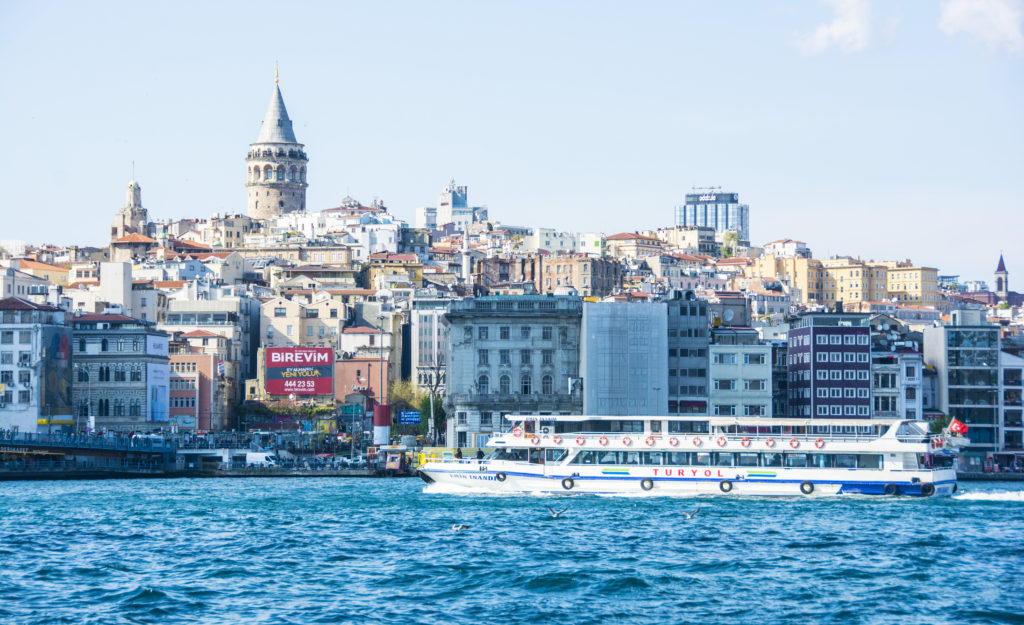
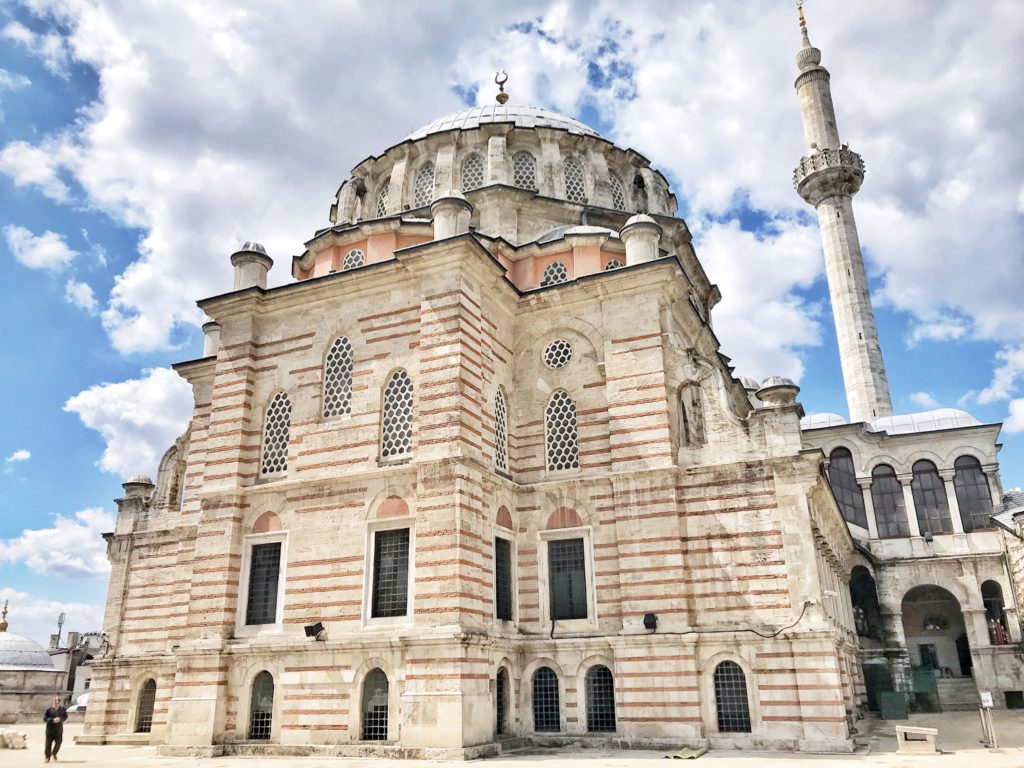
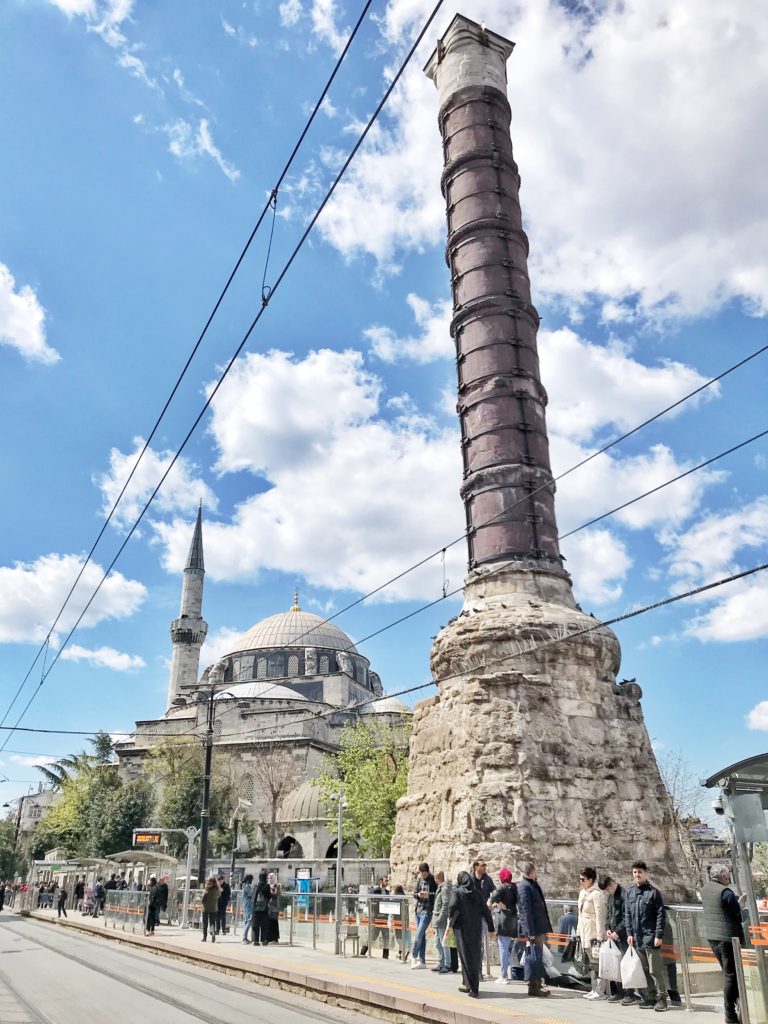
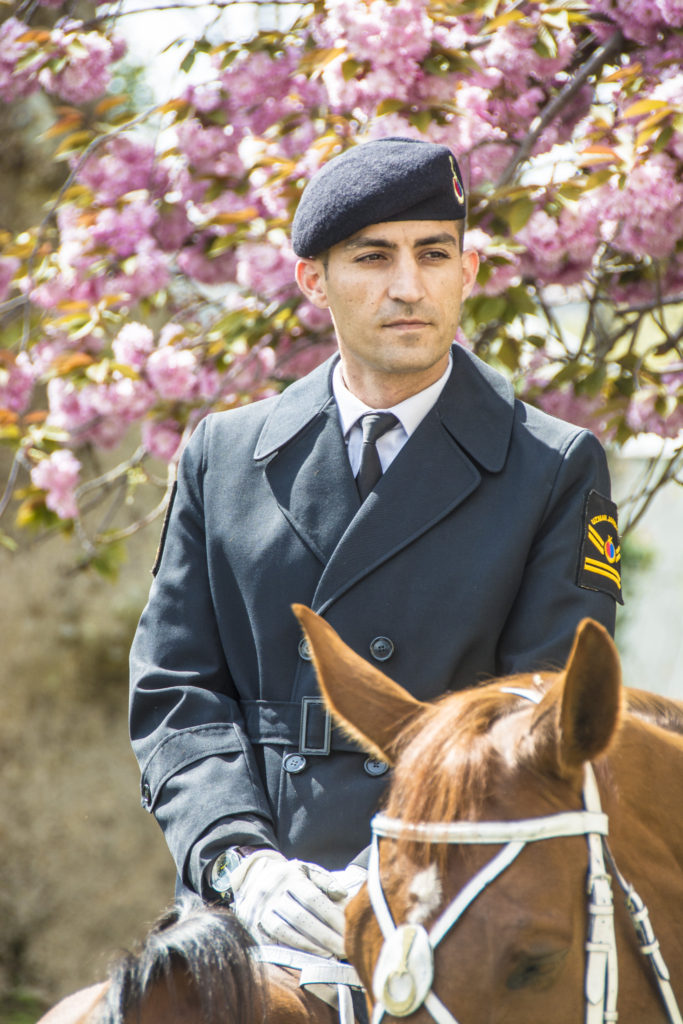
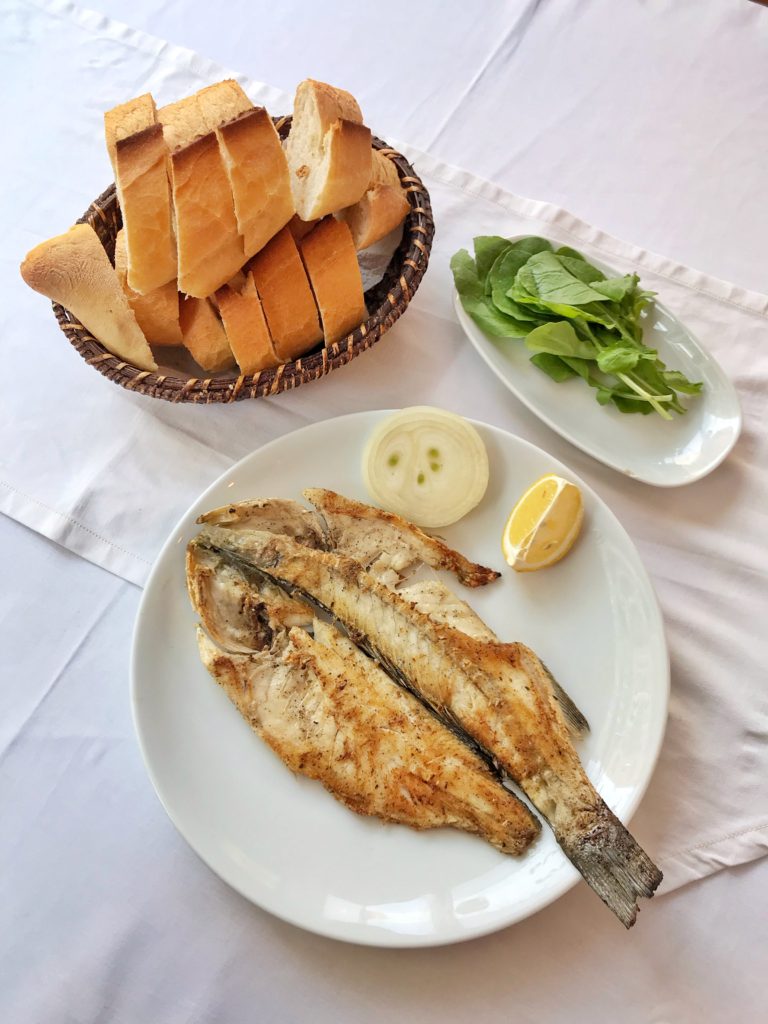
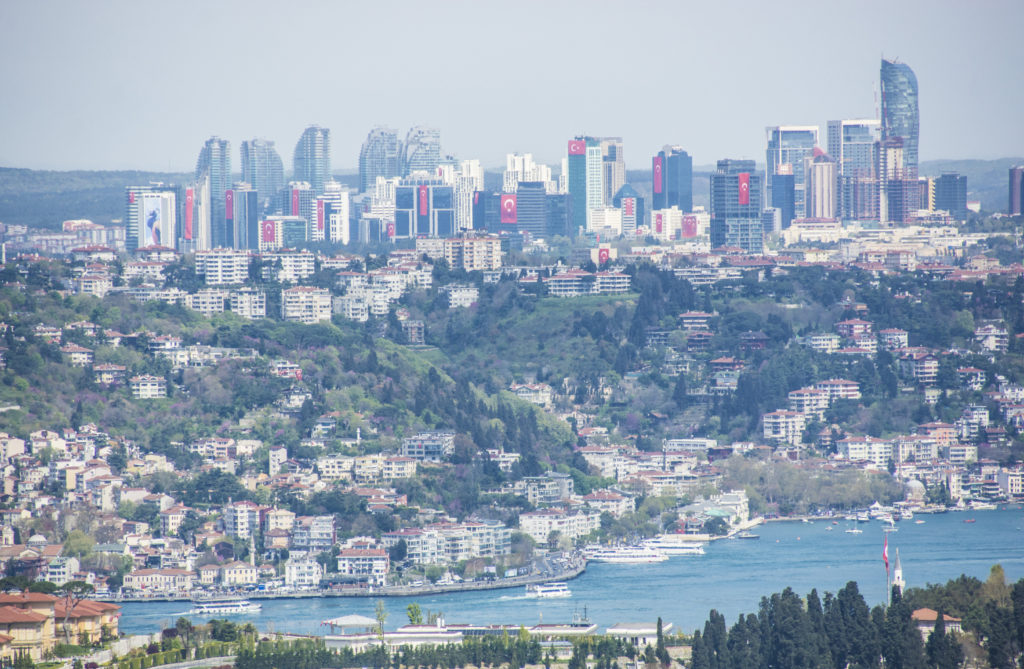
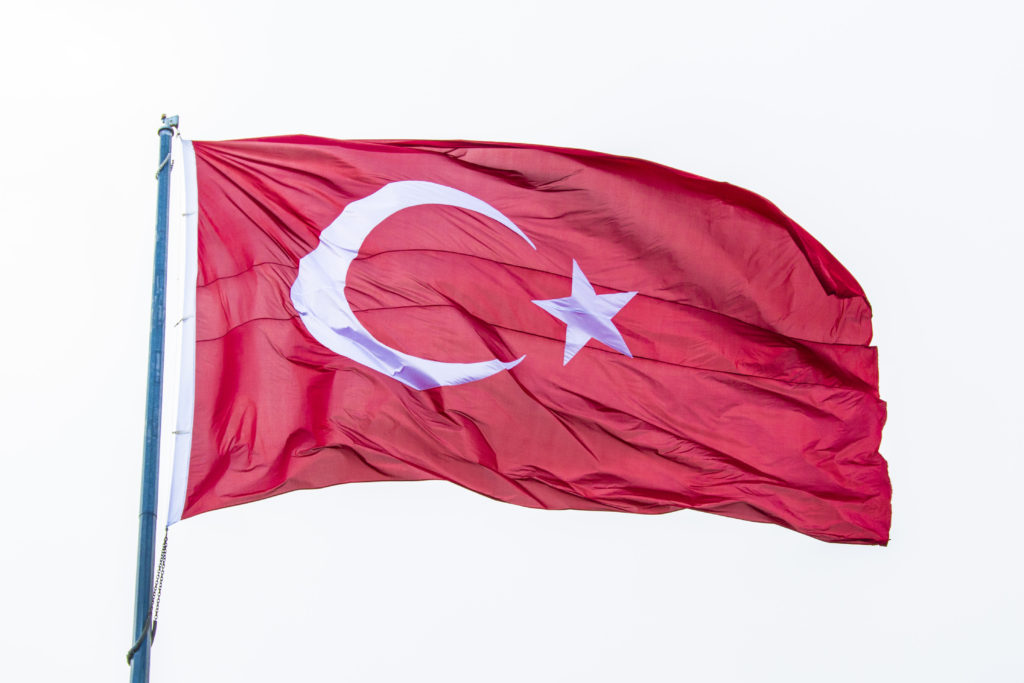
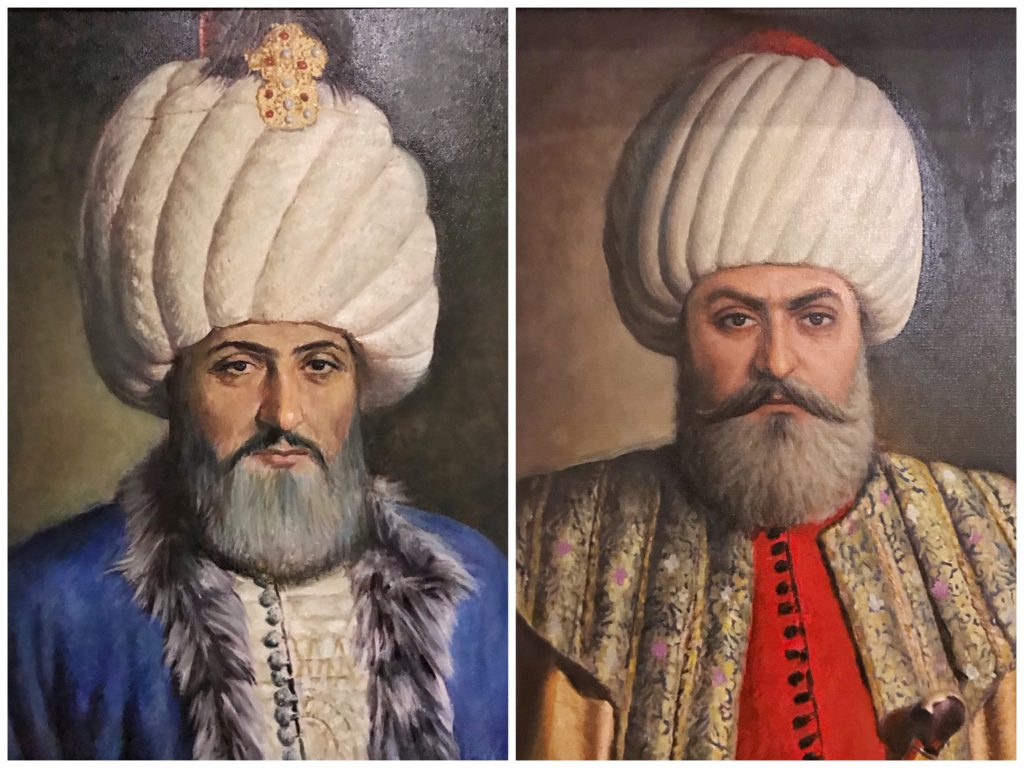
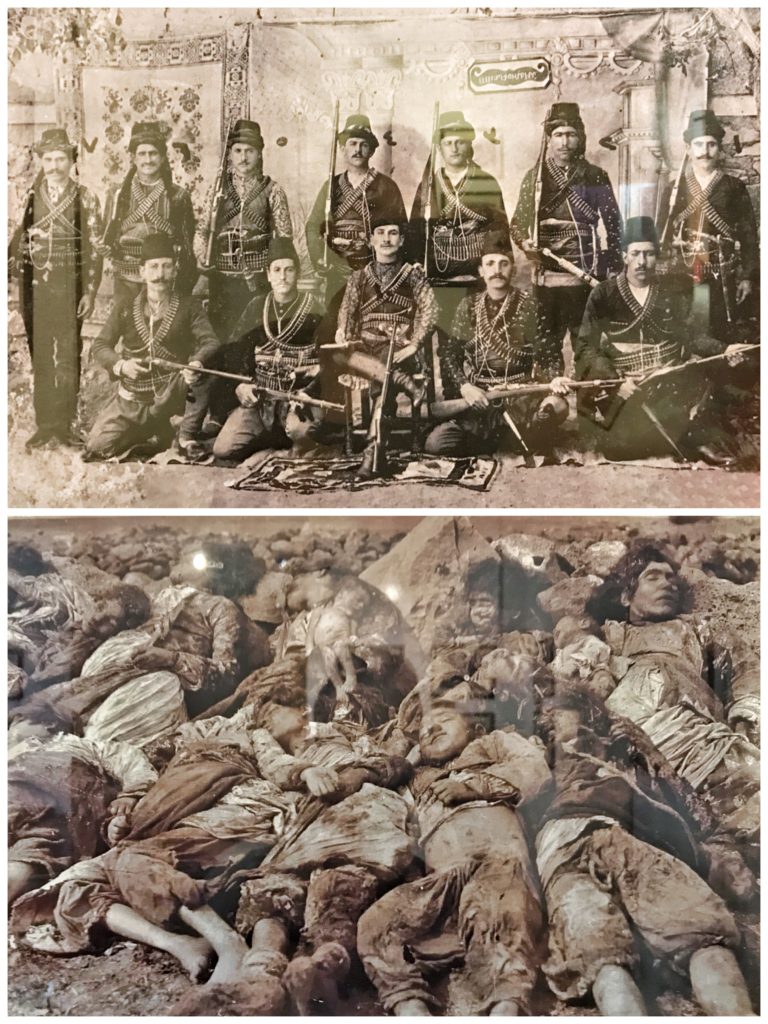
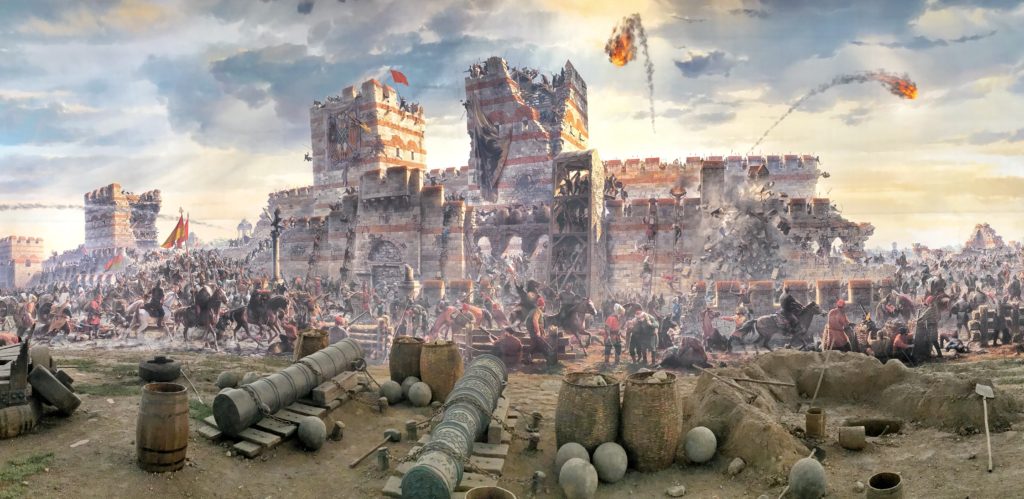
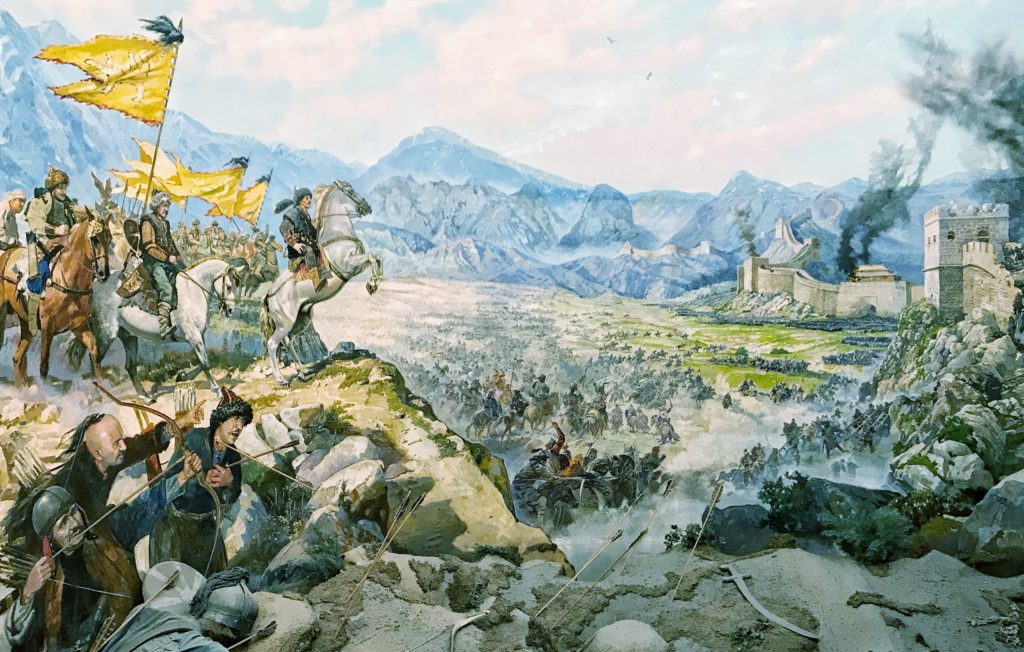
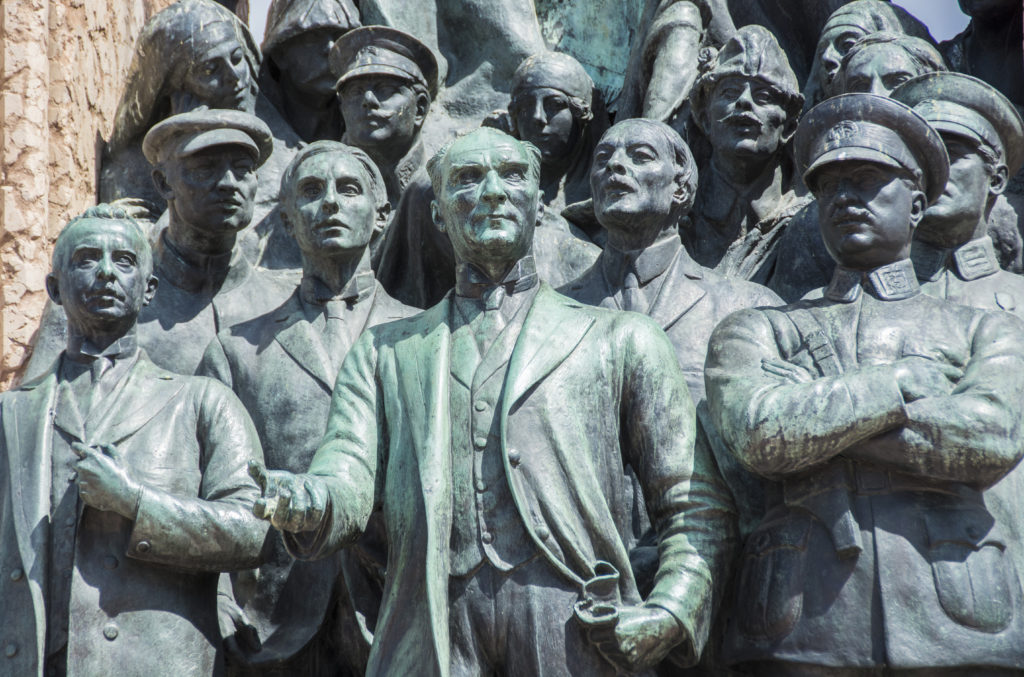
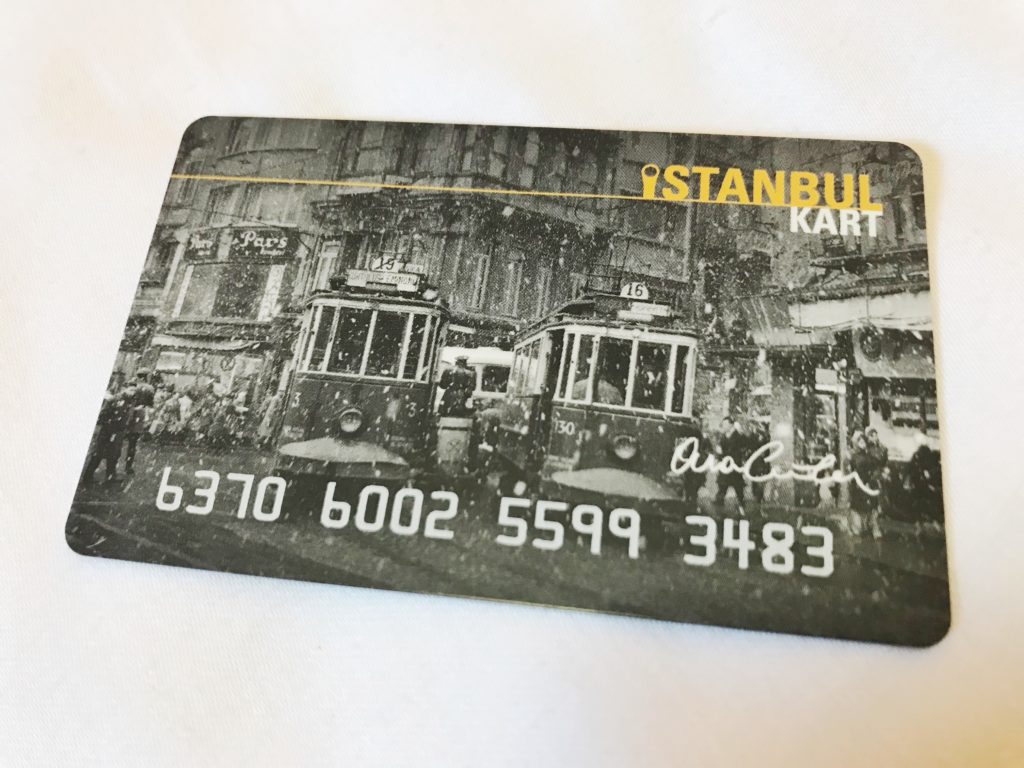
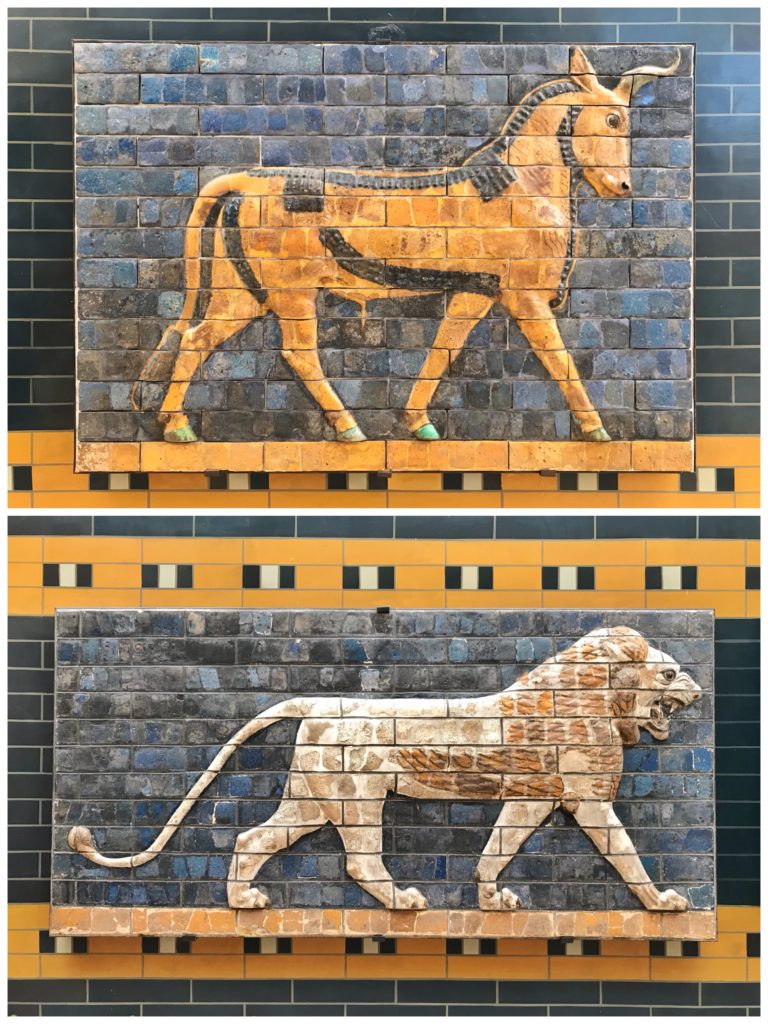
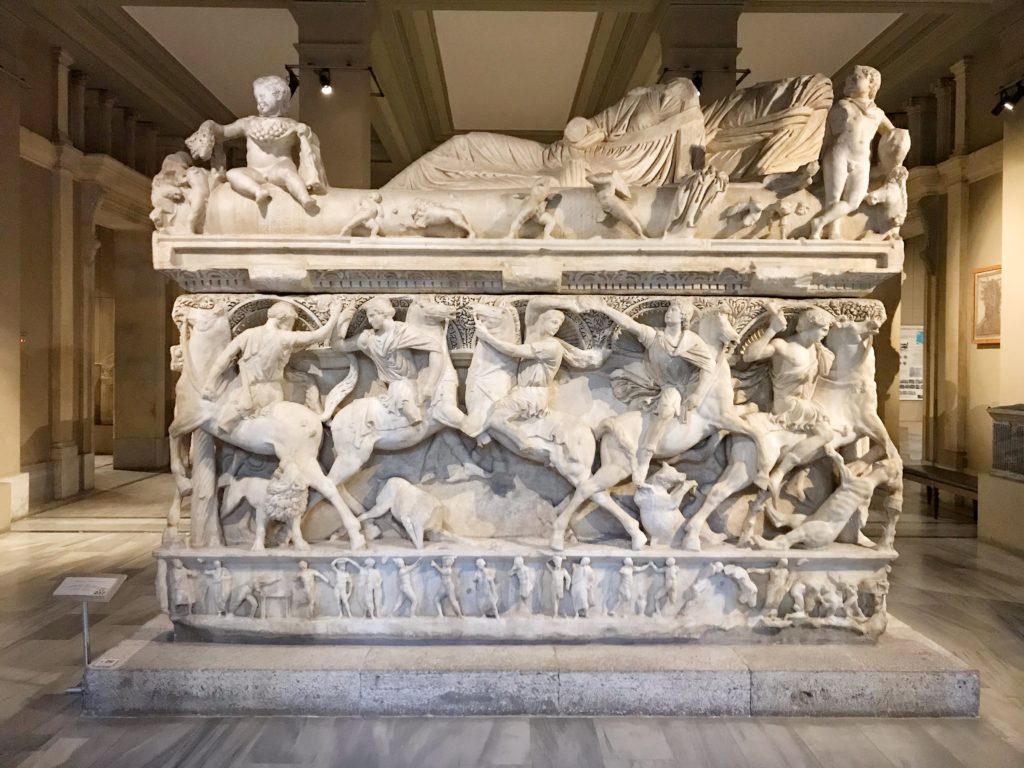
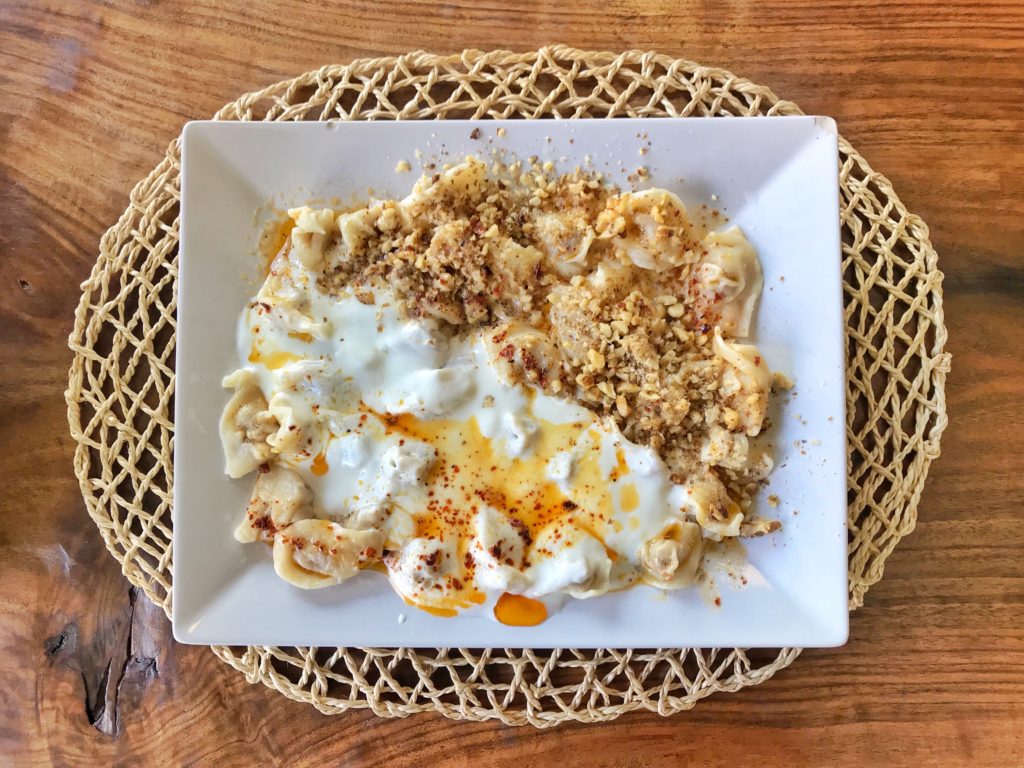
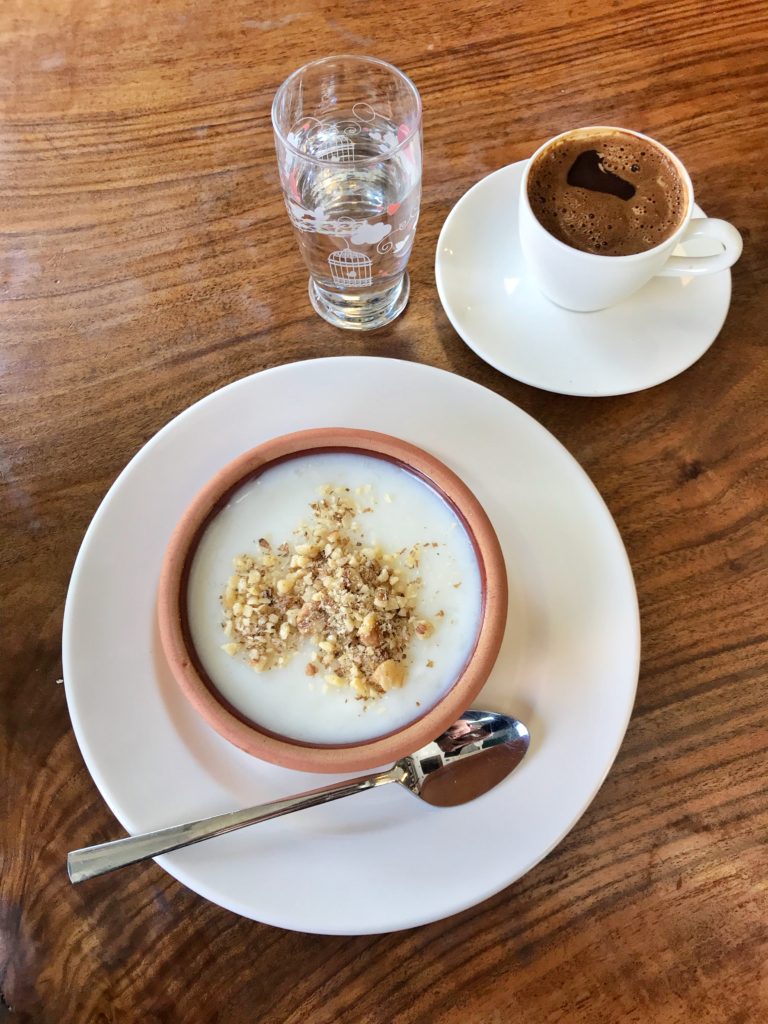
由東正教大教堂改建成的穆斯林清真寺。君士坦丁堡,現在的伊斯坦堡,持續超過一千年都是拜占庭帝國的首都,而拜占庭帝國是信奉東正教的。 在1453年,土耳其奧斯曼帝國攻陷君士坦丁堡,並命令將這座東正教大教堂改建成一座穆斯林清真寺。 因此你仍然可以看到耶穌圖像,聖母瑪利亞,和伊斯蘭書法彼此相鄰。 目前98%的土耳其人都是遜尼派穆斯林信徒,僅伊斯坦堡就有3,000個清真寺。 Hagia Sophia, an Ottoman mosque converted from a former Eastern Orthodox cathedral. Constantinople, now Istanbul, was the capital city of the Byzantine Empire for over 1,000 years. The Byzantine Empire predominantly practiced Eastern Orthodox. Then in 1453, the Turkish Ottoman Empire conquered Constantinople and ordered this main church of Orthodox Christianity converted into a mosque. Therefore you can still can see mosaics of Jesus, Mary, and Islamic calligraphies side by side next to each other. Currently 98% of Turkish people are Sunni Muslim, and there are 3,000 mosques in the city of Istanbul alone. @Istanbul伊斯坦堡由東正教大教堂改建成的穆斯林清真寺。君士坦丁堡,現在的伊斯坦堡,持續超過一千年都是拜占庭帝國的首都,而拜占庭帝國是信奉東正教的。 在1453年,土耳其奧斯曼帝國攻陷君士坦丁堡,並命令將這座東正教大教堂改建成一座穆斯林清真寺。 因此你仍然可以看到耶穌圖像,聖母瑪利亞,和伊斯蘭書法彼此相鄰。 目前98%的土耳其人都是遜尼派穆斯林信徒,僅伊斯坦堡就有3,000個清真寺。 Hagia Sophia, an Ottoman mosque converted from a former Eastern Orthodox cathedral. Constantinople, now Istanbul, was the capital city of the Byzantine Empire for over 1,000 years. The Byzantine Empire predominantly practiced Eastern Orthodox. Then in 1453, the Turkish Ottoman Empire conquered Constantinople and ordered this main church of Orthodox Christianity converted into a mosque. Therefore you can still can see mosaics of Jesus, Mary, and Islamic calligraphies side by side next to each other. Currently 98% of Turkish people are Sunni Muslim, and there are 3,000 mosques in the city of Istanbul alone. @Istanbul伊斯坦堡由東正教大教堂改建成的穆斯林清真寺。君士坦丁堡,現在的伊斯坦堡,持續超過一千年都是拜占庭帝國的首都,而拜占庭帝國是信奉東正教的。 在1453年,土耳其奧斯曼帝國攻陷君士坦丁堡,並命令將這座東正教大教堂改建成一座穆斯林清真寺。 因此你仍然可以看到耶穌圖像,聖母瑪利亞,和伊斯蘭書法彼此相鄰。 目前98%的土耳其人都是遜尼派穆斯林信徒,僅伊斯坦堡就有3,000個清真寺。 Hagia Sophia, an Ottoman mosque converted from a former Eastern Orthodox cathedral. Constantinople, now Istanbul, was the capital city of the Byzantine Empire for over 1,000 years. The Byzantine Empire predominantly practiced Eastern Orthodox. Then in 1453, the Turkish Ottoman Empire conquered Constantinople and ordered this main church of Orthodox Christianity converted into a mosque. Therefore you can still can see mosaics of Jesus, Mary, and Islamic calligraphies side by side next to each other. Currently 98% of Turkish people are Sunni Muslim, and there are 3,000 mosques in the city of Istanbul alone. @Istanbul伊斯坦堡由東正教大教堂改建成的穆斯林清真寺。君士坦丁堡,現在的伊斯坦堡,持續超過一千年都是拜占庭帝國的首都,而拜占庭帝國是信奉東正教的。 在1453年,土耳其奧斯曼帝國攻陷君士坦丁堡,並命令將這座東正教大教堂改建成一座穆斯林清真寺。 因此你仍然可以看到耶穌圖像,聖母瑪利亞,和伊斯蘭書法彼此相鄰。 目前98%的土耳其人都是遜尼派穆斯林信徒,僅伊斯坦堡就有3,000個清真寺。 Hagia Sophia, an Ottoman mosque converted from a former Eastern Orthodox cathedral. Constantinople, now Istanbul, was the capital city of the Byzantine Empire for over 1,000 years. The Byzantine Empire predominantly practiced Eastern Orthodox. Then in 1453, the Turkish Ottoman Empire conquered Constantinople and ordered this main church of Orthodox Christianity converted into a mosque. Therefore you can still can see mosaics of Jesus, Mary, and Islamic calligraphies side by side next to each other. Currently 98% of Turkish people are Sunni Muslim, and there are 3,000 mosques in the city of Istanbul alone. @Istanbul伊斯坦堡由東正教大教堂改建成的穆斯林清真寺。君士坦丁堡,現在的伊斯坦堡,持續超過一千年都是拜占庭帝國的首都,而拜占庭帝國是信奉東正教的。 在1453年,土耳其奧斯曼帝國攻陷君士坦丁堡,並命令將這座東正教大教堂改建成一座穆斯林清真寺。 因此你仍然可以看到耶穌圖像,聖母瑪利亞,和伊斯蘭書法彼此相鄰。 目前98%的土耳其人都是遜尼派穆斯林信徒,僅伊斯坦堡就有3,000個清真寺。 Hagia Sophia, an Ottoman mosque converted from a former Eastern Orthodox cathedral. Constantinople, now Istanbul, was the capital city of the Byzantine Empire for over 1,000 years. The Byzantine Empire predominantly practiced Eastern Orthodox. Then in 1453, the Turkish Ottoman Empire conquered Constantinople and ordered this main church of Orthodox Christianity converted into a mosque. Therefore you can still can see mosaics of Jesus, Mary, and Islamic calligraphies side by side next to each other. Currently 98% of Turkish people are Sunni Muslim, and there are 3,000 mosques in the city of Istanbul alone. @Istanbul伊斯坦堡由東正教大教堂改建成的穆斯林清真寺。君士坦丁堡,現在的伊斯坦堡,持續超過一千年都是拜占庭帝國的首都,而拜占庭帝國是信奉東正教的。 在1453年,土耳其奧斯曼帝國攻陷君士坦丁堡,並命令將這座東正教大教堂改建成一座穆斯林清真寺。 因此你仍然可以看到耶穌圖像,聖母瑪利亞,和伊斯蘭書法彼此相鄰。 目前98%的土耳其人都是遜尼派穆斯林信徒,僅伊斯坦堡就有3,000個清真寺。 Hagia Sophia, an Ottoman mosque converted from a former Eastern Orthodox cathedral. Constantinople, now Istanbul, was the capital city of the Byzantine Empire for over 1,000 years. The Byzantine Empire predominantly practiced Eastern Orthodox. Then in 1453, the Turkish Ottoman Empire conquered Constantinople and ordered this main church of Orthodox Christianity converted into a mosque. Therefore you can still can see mosaics of Jesus, Mary, and Islamic calligraphies side by side next to each other. Currently 98% of Turkish people are Sunni Muslim, and there are 3,000 mosques in the city of Istanbul alone. @Istanbul伊斯坦堡由東正教大教堂改建成的穆斯林清真寺。君士坦丁堡,現在的伊斯坦堡,持續超過一千年都是拜占庭帝國的首都,而拜占庭帝國是信奉東正教的。 在1453年,土耳其奧斯曼帝國攻陷君士坦丁堡,並命令將這座東正教大教堂改建成一座穆斯林清真寺。 因此你仍然可以看到耶穌圖像,聖母瑪利亞,和伊斯蘭書法彼此相鄰。 目前98%的土耳其人都是遜尼派穆斯林信徒,僅伊斯坦堡就有3,000個清真寺。 Hagia Sophia, an Ottoman mosque converted from a former Eastern Orthodox cathedral. Constantinople, now Istanbul, was the capital city of the Byzantine Empire for over 1,000 years. The Byzantine Empire predominantly practiced Eastern Orthodox. Then in 1453, the Turkish Ottoman Empire conquered Constantinople and ordered this main church of Orthodox Christianity converted into a mosque. Therefore you can still can see mosaics of Jesus, Mary, and Islamic calligraphies side by side next to each other. Currently 98% of Turkish people are Sunni Muslim, and there are 3,000 mosques in the city of Istanbul alone. @Istanbul伊斯坦堡由東正教大教堂改建成的穆斯林清真寺。君士坦丁堡,現在的伊斯坦堡,持續超過一千年都是拜占庭帝國的首都,而拜占庭帝國是信奉東正教的。 在1453年,土耳其奧斯曼帝國攻陷君士坦丁堡,並命令將這座東正教大教堂改建成一座穆斯林清真寺。 因此你仍然可以看到耶穌圖像,聖母瑪利亞,和伊斯蘭書法彼此相鄰。 目前98%的土耳其人都是遜尼派穆斯林信徒,僅伊斯坦堡就有3,000個清真寺。 Hagia Sophia, an Ottoman mosque converted from a former Eastern Orthodox cathedral. Constantinople, now Istanbul, was the capital city of the Byzantine Empire for over 1,000 years. The Byzantine Empire predominantly practiced Eastern Orthodox. Then in 1453, the Turkish Ottoman Empire conquered Constantinople and ordered this main church of Orthodox Christianity converted into a mosque. Therefore you can still can see mosaics of Jesus, Mary, and Islamic calligraphies side by side next to each other. Currently 98% of Turkish people are Sunni Muslim, and there are 3,000 mosques in the city of Istanbul alone. @Istanbul伊斯坦堡由東正教大教堂改建成的穆斯林清真寺。君士坦丁堡,現在的伊斯坦堡,持續超過一千年都是拜占庭帝國的首都,而拜占庭帝國是信奉東正教的。 在1453年,土耳其奧斯曼帝國攻陷君士坦丁堡,並命令將這座東正教大教堂改建成一座穆斯林清真寺。 因此你仍然可以看到耶穌圖像,聖母瑪利亞,和伊斯蘭書法彼此相鄰。 目前98%的土耳其人都是遜尼派穆斯林信徒,僅伊斯坦堡就有3,000個清真寺。 Hagia Sophia, an Ottoman mosque converted from a former Eastern Orthodox cathedral. Constantinople, now Istanbul, was the capital city of the Byzantine Empire for over 1,000 years. The Byzantine Empire predominantly practiced Eastern Orthodox. Then in 1453, the Turkish Ottoman Empire conquered Constantinople and ordered this main church of Orthodox Christianity converted into a mosque. Therefore you can still can see mosaics of Jesus, Mary, and Islamic calligraphies side by side next to each other. Currently 98% of Turkish people are Sunni Muslim, and there are 3,000 mosques in the city of Istanbul alone. @Istanbul伊斯坦堡由東正教大教堂改建成的穆斯林清真寺。君士坦丁堡,現在的伊斯坦堡,持續超過一千年都是拜占庭帝國的首都,而拜占庭帝國是信奉東正教的。 在1453年,土耳其奧斯曼帝國攻陷君士坦丁堡,並命令將這座東正教大教堂改建成一座穆斯林清真寺。 因此你仍然可以看到耶穌圖像,聖母瑪利亞,和伊斯蘭書法彼此相鄰。 目前98%的土耳其人都是遜尼派穆斯林信徒,僅伊斯坦堡就有3,000個清真寺。 Hagia Sophia, an Ottoman mosque converted from a former Eastern Orthodox cathedral. Constantinople, now Istanbul, was the capital city of the Byzantine Empire for over 1,000 years. The Byzantine Empire predominantly practiced Eastern Orthodox. Then in 1453, the Turkish Ottoman Empire conquered Constantinople and ordered this main church of Orthodox Christianity converted into a mosque. Therefore you can still can see mosaics of Jesus, Mary, and Islamic calligraphies side by side next to each other. Currently 98% of Turkish people are Sunni Muslim, and there are 3,000 mosques in the city of Istanbul alone. @Istanbul伊斯坦堡由東正教大教堂改建成的穆斯林清真寺。君士坦丁堡,現在的伊斯坦堡,持續超過一千年都是拜占庭帝國的首都,而拜占庭帝國是信奉東正教的。 在1453年,土耳其奧斯曼帝國攻陷君士坦丁堡,並命令將這座東正教大教堂改建成一座穆斯林清真寺。 因此你仍然可以看到耶穌圖像,聖母瑪利亞,和伊斯蘭書法彼此相鄰。 目前98%的土耳其人都是遜尼派穆斯林信徒,僅伊斯坦堡就有3,000個清真寺。 Hagia Sophia, an Ottoman mosque converted from a former Eastern Orthodox cathedral. Constantinople, now Istanbul, was the capital city of the Byzantine Empire for over 1,000 years. The Byzantine Empire predominantly practiced Eastern Orthodox. Then in 1453, the Turkish Ottoman Empire conquered Constantinople and ordered this main church of Orthodox Christianity converted into a mosque. Therefore you can still can see mosaics of Jesus, Mary, and Islamic calligraphies side by side next to each other. Currently 98% of Turkish people are Sunni Muslim, and there are 3,000 mosques in the city of Istanbul alone. @Istanbul伊斯坦堡由東正教大教堂改建成的穆斯林清真寺。君士坦丁堡,現在的伊斯坦堡,持續超過一千年都是拜占庭帝國的首都,而拜占庭帝國是信奉東正教的。 在1453年,土耳其奧斯曼帝國攻陷君士坦丁堡,並命令將這座東正教大教堂改建成一座穆斯林清真寺。 因此你仍然可以看到耶穌圖像,聖母瑪利亞,和伊斯蘭書法彼此相鄰。 目前98%的土耳其人都是遜尼派穆斯林信徒,僅伊斯坦堡就有3,000個清真寺。 Hagia Sophia, an Ottoman mosque converted from a former Eastern Orthodox cathedral. Constantinople, now Istanbul, was the capital city of the Byzantine Empire for over 1,000 years. The Byzantine Empire predominantly practiced Eastern Orthodox. Then in 1453, the Turkish Ottoman Empire conquered Constantinople and ordered this main church of Orthodox Christianity converted into a mosque. Therefore you can still can see mosaics of Jesus, Mary, and Islamic calligraphies side by side next to each other. Currently 98% of Turkish people are Sunni Muslim, and there are 3,000 mosques in the city of Istanbul alone. @Istanbul伊斯坦堡在土庫曼斯坦餐廳喝土耳其咖啡 Drinking Turkish coffee at a Turkmen restaurant. The lady who owns the restaurant is from Ashgabat, Turkmenistan. She was telling me that Turkmenistan is a closed country and no one goes there. Then I showed her my wallet, one that I bought while in Turkmenistan: A green bifold with its front showing a 50-manat Turkmen bill. I told her I stayed in Ashgabat for a month – I will forever remember the shocking look on her face. @Istanbul伊斯坦堡伊斯坦堡被一條狹窄的海峽分隔為歐洲和亞洲兩部份: “歐洲”一側是聖索非亞大教堂和大多數其他重要遺址所在地, “亞洲”一側是我所在一個叫Kadikoy的悠閒住宅區。 Kadikoy 有繁華的魚市,時髦的咖啡館,和奇特的氛圍, 半英里內已有數十幅色彩繽紛的壁畫供那些對街頭藝術感興趣的人狩獵。Istanbul is separated by a narrow strait that divides Europe and Asia: The “European” side is where Hagia Sofia and most of the other significant sites located. The “Asian” side, only a short ferry ride away, is a laid-back residential neighborhood called Kadikoy where I stay at. Kadikoy is famed for its bustling fish market, hip cafes, and indie sort of vibe. Within a half-mile radius there are dozens of colorful murals for those interested in street art hunting. @Istanbul伊斯坦堡伊斯坦堡被一條狹窄的海峽分隔為歐洲和亞洲兩部份: “歐洲”一側是聖索非亞大教堂和大多數其他重要遺址所在地, “亞洲”一側是我所在一個叫Kadikoy的悠閒住宅區。 Kadikoy 有繁華的魚市,時髦的咖啡館,和奇特的氛圍, 半英里內已有數十幅色彩繽紛的壁畫供那些對街頭藝術感興趣的人狩獵。Istanbul is separated by a narrow strait that divides Europe and Asia: The “European” side is where Hagia Sofia and most of the other significant sites located. The “Asian” side, only a short ferry ride away, is a laid-back residential neighborhood called Kadikoy where I stay at. Kadikoy is famed for its bustling fish market, hip cafes, and indie sort of vibe. Within a half-mile radius there are dozens of colorful murals for those interested in street art hunting. @Istanbul伊斯坦堡伊斯坦堡被一條狹窄的海峽分隔為歐洲和亞洲兩部份: “歐洲”一側是聖索非亞大教堂和大多數其他重要遺址所在地, “亞洲”一側是我所在一個叫Kadikoy的悠閒住宅區。 Kadikoy 有繁華的魚市,時髦的咖啡館,和奇特的氛圍, 半英里內已有數十幅色彩繽紛的壁畫供那些對街頭藝術感興趣的人狩獵。Istanbul is separated by a narrow strait that divides Europe and Asia: The “European” side is where Hagia Sofia and most of the other significant sites located. The “Asian” side, only a short ferry ride away, is a laid-back residential neighborhood called Kadikoy where I stay at. Kadikoy is famed for its bustling fish market, hip cafes, and indie sort of vibe. Within a half-mile radius there are dozens of colorful murals for those interested in street art hunting. @Istanbul伊斯坦堡伊斯坦堡被一條狹窄的海峽分隔為歐洲和亞洲兩部份: “歐洲”一側是聖索非亞大教堂和大多數其他重要遺址所在地, “亞洲”一側是我所在一個叫Kadikoy的悠閒住宅區。 Kadikoy 有繁華的魚市,時髦的咖啡館,和奇特的氛圍, 半英里內已有數十幅色彩繽紛的壁畫供那些對街頭藝術感興趣的人狩獵。Istanbul is separated by a narrow strait that divides Europe and Asia: The “European” side is where Hagia Sofia and most of the other significant sites located. The “Asian” side, only a short ferry ride away, is a laid-back residential neighborhood called Kadikoy where I stay at. Kadikoy is famed for its bustling fish market, hip cafes, and indie sort of vibe. Within a half-mile radius there are dozens of colorful murals for those interested in street art hunting. @Istanbul伊斯坦堡伊斯坦堡被一條狹窄的海峽分隔為歐洲和亞洲兩部份: “歐洲”一側是聖索非亞大教堂和大多數其他重要遺址所在地, “亞洲”一側是我所在一個叫Kadikoy的悠閒住宅區。 Kadikoy 有繁華的魚市,時髦的咖啡館,和奇特的氛圍, 半英里內已有數十幅色彩繽紛的壁畫供那些對街頭藝術感興趣的人狩獵。Istanbul is separated by a narrow strait that divides Europe and Asia: The “European” side is where Hagia Sofia and most of the other significant sites located. The “Asian” side, only a short ferry ride away, is a laid-back residential neighborhood called Kadikoy where I stay at. Kadikoy is famed for its bustling fish market, hip cafes, and indie sort of vibe. Within a half-mile radius there are dozens of colorful murals for those interested in street art hunting. @Istanbul伊斯坦堡伊斯坦堡被一條狹窄的海峽分隔為歐洲和亞洲兩部份: “歐洲”一側是聖索非亞大教堂和大多數其他重要遺址所在地, “亞洲”一側是我所在一個叫Kadikoy的悠閒住宅區。 Kadikoy 有繁華的魚市,時髦的咖啡館,和奇特的氛圍, 半英里內已有數十幅色彩繽紛的壁畫供那些對街頭藝術感興趣的人狩獵。Istanbul is separated by a narrow strait that divides Europe and Asia: The “European” side is where Hagia Sofia and most of the other significant sites located. The “Asian” side, only a short ferry ride away, is a laid-back residential neighborhood called Kadikoy where I stay at. Kadikoy is famed for its bustling fish market, hip cafes, and indie sort of vibe. Within a half-mile radius there are dozens of colorful murals for those interested in street art hunting. @Istanbul伊斯坦堡伊斯坦堡被一條狹窄的海峽分隔為歐洲和亞洲兩部份: “歐洲”一側是聖索非亞大教堂和大多數其他重要遺址所在地, “亞洲”一側是我所在一個叫Kadikoy的悠閒住宅區。 Kadikoy 有繁華的魚市,時髦的咖啡館,和奇特的氛圍, 半英里內已有數十幅色彩繽紛的壁畫供那些對街頭藝術感興趣的人狩獵。Istanbul is separated by a narrow strait that divides Europe and Asia: The “European” side is where Hagia Sofia and most of the other significant sites located. The “Asian” side, only a short ferry ride away, is a laid-back residential neighborhood called Kadikoy where I stay at. Kadikoy is famed for its bustling fish market, hip cafes, and indie sort of vibe. Within a half-mile radius there are dozens of colorful murals for those interested in street art hunting. @Istanbul伊斯坦堡伊斯坦堡被一條狹窄的海峽分隔為歐洲和亞洲兩部份: “歐洲”一側是聖索非亞大教堂和大多數其他重要遺址所在地, “亞洲”一側是我所在一個叫Kadikoy的悠閒住宅區。 Kadikoy 有繁華的魚市,時髦的咖啡館,和奇特的氛圍, 半英里內已有數十幅色彩繽紛的壁畫供那些對街頭藝術感興趣的人狩獵。Istanbul is separated by a narrow strait that divides Europe and Asia: The “European” side is where Hagia Sofia and most of the other significant sites located. The “Asian” side, only a short ferry ride away, is a laid-back residential neighborhood called Kadikoy where I stay at. Kadikoy is famed for its bustling fish market, hip cafes, and indie sort of vibe. Within a half-mile radius there are dozens of colorful murals for those interested in street art hunting. @Istanbul伊斯坦堡伊斯坦堡被一條狹窄的海峽分隔為歐洲和亞洲兩部份: “歐洲”一側是聖索非亞大教堂和大多數其他重要遺址所在地, “亞洲”一側是我所在一個叫Kadikoy的悠閒住宅區。 Kadikoy 有繁華的魚市,時髦的咖啡館,和奇特的氛圍, 半英里內已有數十幅色彩繽紛的壁畫供那些對街頭藝術感興趣的人狩獵。Istanbul is separated by a narrow strait that divides Europe and Asia: The “European” side is where Hagia Sofia and most of the other significant sites located. The “Asian” side, only a short ferry ride away, is a laid-back residential neighborhood called Kadikoy where I stay at. Kadikoy is famed for its bustling fish market, hip cafes, and indie sort of vibe. Within a half-mile radius there are dozens of colorful murals for those interested in street art hunting. @Istanbul伊斯坦堡伊斯坦堡被一條狹窄的海峽分隔為歐洲和亞洲兩部份: “歐洲”一側是聖索非亞大教堂和大多數其他重要遺址所在地, “亞洲”一側是我所在一個叫Kadikoy的悠閒住宅區。 Kadikoy 有繁華的魚市,時髦的咖啡館,和奇特的氛圍, 半英里內已有數十幅色彩繽紛的壁畫供那些對街頭藝術感興趣的人狩獵。Istanbul is separated by a narrow strait that divides Europe and Asia: The “European” side is where Hagia Sofia and most of the other significant sites located. The “Asian” side, only a short ferry ride away, is a laid-back residential neighborhood called Kadikoy where I stay at. Kadikoy is famed for its bustling fish market, hip cafes, and indie sort of vibe. Within a half-mile radius there are dozens of colorful murals for those interested in street art hunting. @Istanbul伊斯坦堡伊斯坦堡被一條狹窄的海峽分隔為歐洲和亞洲兩部份: “歐洲”一側是聖索非亞大教堂和大多數其他重要遺址所在地, “亞洲”一側是我所在一個叫Kadikoy的悠閒住宅區。 Kadikoy 有繁華的魚市,時髦的咖啡館,和奇特的氛圍, 半英里內已有數十幅色彩繽紛的壁畫供那些對街頭藝術感興趣的人狩獵。Istanbul is separated by a narrow strait that divides Europe and Asia: The “European” side is where Hagia Sofia and most of the other significant sites located. The “Asian” side, only a short ferry ride away, is a laid-back residential neighborhood called Kadikoy where I stay at. Kadikoy is famed for its bustling fish market, hip cafes, and indie sort of vibe. Within a half-mile radius there are dozens of colorful murals for those interested in street art hunting. @Istanbul伊斯坦堡伊斯坦堡被一條狹窄的海峽分隔為歐洲和亞洲兩部份: “歐洲”一側是聖索非亞大教堂和大多數其他重要遺址所在地, “亞洲”一側是我所在一個叫Kadikoy的悠閒住宅區。 Kadikoy 有繁華的魚市,時髦的咖啡館,和奇特的氛圍, 半英里內已有數十幅色彩繽紛的壁畫供那些對街頭藝術感興趣的人狩獵。Istanbul is separated by a narrow strait that divides Europe and Asia: The “European” side is where Hagia Sofia and most of the other significant sites located. The “Asian” side, only a short ferry ride away, is a laid-back residential neighborhood called Kadikoy where I stay at. Kadikoy is famed for its bustling fish market, hip cafes, and indie sort of vibe. Within a half-mile radius there are dozens of colorful murals for those interested in street art hunting. @Istanbul伊斯坦堡伊斯坦堡被一條狹窄的海峽分隔為歐洲和亞洲兩部份: “歐洲”一側是聖索非亞大教堂和大多數其他重要遺址所在地, “亞洲”一側是我所在一個叫Kadikoy的悠閒住宅區。 Kadikoy 有繁華的魚市,時髦的咖啡館,和奇特的氛圍, 半英里內已有數十幅色彩繽紛的壁畫供那些對街頭藝術感興趣的人狩獵。Istanbul is separated by a narrow strait that divides Europe and Asia: The “European” side is where Hagia Sofia and most of the other significant sites located. The “Asian” side, only a short ferry ride away, is a laid-back residential neighborhood called Kadikoy where I stay at. Kadikoy is famed for its bustling fish market, hip cafes, and indie sort of vibe. Within a half-mile radius there are dozens of colorful murals for those interested in street art hunting. @Istanbul伊斯坦堡魚巿場午餐 Fresh off the fish market. @Istanbul伊斯坦堡甘力加清真寺 Camlica Mosque, the largest mosque in Turkey. Completed in 2016, the mosque has six minarets and features an art gallery, a library, and a museum. @Istanbul伊斯坦堡甘力加清真寺 Camlica Mosque, the largest mosque in Turkey. Completed in 2016, the mosque has six minarets and features an art gallery, a library, and a museum. @Istanbul伊斯坦堡甘力加清真寺 Camlica Mosque, the largest mosque in Turkey. Completed in 2016, the mosque has six minarets and features an art gallery, a library, and a museum. @Istanbul伊斯坦堡甘力加清真寺 Camlica Mosque, the largest mosque in Turkey. Completed in 2016, the mosque has six minarets and features an art gallery, a library, and a museum. @Istanbul伊斯坦堡甘力加清真寺 Camlica Mosque, the largest mosque in Turkey. Completed in 2016, the mosque has six minarets and features an art gallery, a library, and a museum. @Istanbul伊斯坦堡甘力加清真寺 Camlica Mosque, the largest mosque in Turkey. Completed in 2016, the mosque has six minarets and features an art gallery, a library, and a museum. @Istanbul伊斯坦堡藍清真寺 The Blue Mosque, also known as the Sultan Ahmed Mosque, is the most well-known mosque in Istanbul. There is constantly a long queue to enter, even though it is under renovation and half of the mosque is closed. The mosque contains the tomb of Ahmed I, the Sultan (Muslim emperor) of the Ottoman Empire in the 1600s. @Istanbul伊斯坦堡藍清真寺 The Blue Mosque, also known as the Sultan Ahmed Mosque, is the most well-known mosque in Istanbul. There is constantly a long queue to enter, even though it is under renovation and half of the mosque is closed. The mosque contains the tomb of Ahmed I, the Sultan (Muslim emperor) of the Ottoman Empire in the 1600s. @Istanbul伊斯坦堡三千座清真寺之一 One of the 3000 mosques in Istanbul. I have not been doing a good job keeping track of their names. @Istanbul伊斯坦堡加拉堤塔 Galata Tower, an old tower built by a Byzantine emperor. @Istanbul伊斯坦堡加拉堤塔 Galata Tower, an old tower built by a Byzantine emperor. @Istanbul伊斯坦堡三千座清真寺之一 One of the 3000 mosques in Istanbul. I have not been doing a good job keeping track of their names. @Istanbul伊斯坦堡君士坦丁柱 Column of Constantine, removed from the Temple of Apollo in Rome and erected here on the order of the Roman emperor Constantine I when Constantinople was still ruled under the Roman Empire. @Istanbul伊斯坦堡Totally irrelevant photos. Taken in Istanbul. @Istanbul伊斯坦堡Totally irrelevant photos. Taken in Istanbul. @Istanbul伊斯坦堡托卡普宮 Horseman in front of Topkapi Palace. The palace was occupied by Ottoman sultans for some 400 years. @Istanbul伊斯坦堡最愛吃魚 Keep coming back to this wonderful Turkish lady for delicious fish. @Istanbul伊斯坦堡土耳其國旗 Turkey national flag. @Istanbul伊斯坦堡土耳其國旗 Turkey national flag. @Istanbul伊斯坦堡巨型頭巾 The Ottomans had a thing for seriously huge turbans. @Istanbul伊斯坦堡土耳其和亞美尼亞 The Ottoman Turkish army and their causalities while fighting against the Russian Empire (aided by the Armenians). For decades, Turkey and Armenia has not been getting along with each other. @Istanbul伊斯坦堡攻佔君士坦丁堡 Panorama 1453 History Museum, depicting the scene of the conquest of Constantinople in 1453. Constantinople, now Istanbul, was the capital city of the Roman Empire and the Byzantine Empire. In 1453, the Ottoman Empire led by the 21-year-old commander Sultan Mehmed II conquested Constantinople from the Byzantines and established its capital there. Although Istanbul is the largest city in Turkey, the capital of Turkey is Ankara. @Istanbul伊斯坦堡土耳其人攻佔中國長城 The Turks invading the Great Wall of China. @Istanbul伊斯坦堡土耳其共和國始創人 After the Ottomans’ defeat in WWI, part of the Ottoman Empire was partitioned by the Allies. Mustafa Kemal Ataturk abolished the declining Ottoman Empire, fought the Turkish War of Independence, and found the Republic of Turkey. @Istanbul伊斯坦堡迷失伊斯坦堡 Istanbul has a fairly complex metro / bus / tram / ferry system and Google Maps has misled me more often than I want to admit. I found taking the ferry the easiest. @Istanbul伊斯坦堡巴比倫浮雕 Istanbul Archaeology Museum, showcasing reliefs from Babylon, the most famous city of ancient Mesopotamia (modern-day Iraq). Mesopotamia means “between rivers” (rivers Euphrates and Tigris). Iraq is not a place where I will visit anytime soon so this is a taste of it. @Istanbul伊斯坦堡羅馬帝國時期雕塑 Istanbul Archaeology Museum, showcasing art works from the Roman Empire days. Constantinople (now Istanbul) was the capital city of the Roman Empire and the Byzantine Empire, before it got conquered by the Turkish Ottoman Empire. @Istanbul伊斯坦堡土耳其美食 Turkish ravioli, rice pudding, and Turkish coffee. @Istanbul伊斯坦堡土耳其美食 Turkish ravioli, rice pudding, and Turkish coffee. @Istanbul伊斯坦堡除了享受美味的土耳其甜點和參觀壯麗的清真寺,土耳其之行讓我意識到許多世界大事有很多相似的地方。 明確來說,我在談論土耳其,緬甸,和中國政府如何應對各自的少數民族危機。
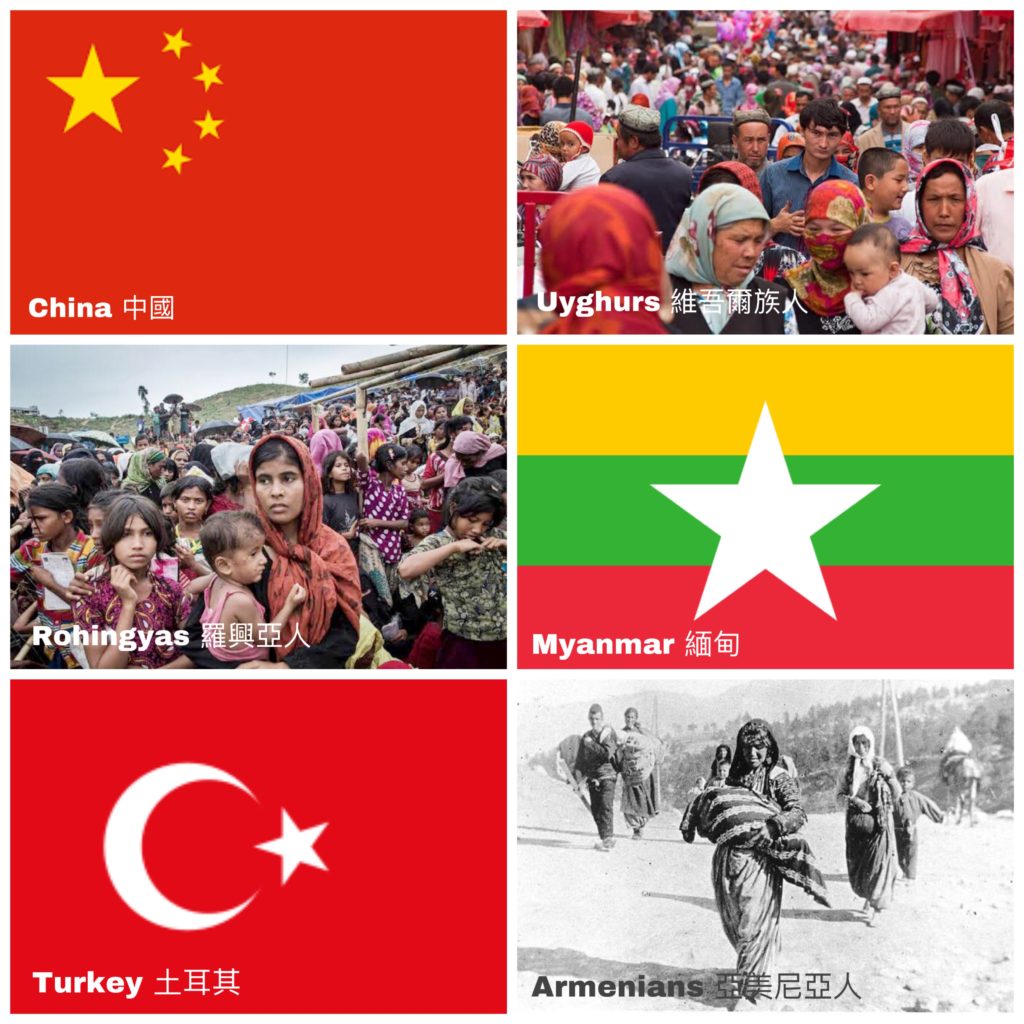
Besides consuming delicious Turkish delight and visiting beautiful mosques in Istanbul, my trip to Turkey made me realize how similar some world events are to each other. Specifically, I am talking about how the respective governments handle minority crisis in Turkey, Myanmar, and China.
Minority crisis usually starts when a minority group near a border city rebels against the central government. It oftentimes involves attacks by some armed insurgents from the minority group. In response to the attacks, the central government would typically call the attackers “extremists” or “terrorists”, then handle the crisis by doing one of the two things: 1. Relocating the entire ethnic group (also called “resettlement”, “population transfer”, “forced migration”, etc.) or 2. Retaining and educating the minority group. However, history tells us that while the crisis can sometimes be contained, neither of the approaches is perfect.
The relocation of civilians by government on the grounds of national security is the most frequently used method during rebellions. Many countries have done it in the past: Turkey relocated Armenians in the Ottoman Empire during WWI, the US relocated Japanese American after Japan attacked Pearl Harbor during WWII, and Myanmar has been relocating Rohingyas to its neighboring country Bangladesh for decades. Unfortunately, relocation is messy by nature. History tells us that relocating civilians more than often leds to deaths caused by famine, disease, gang attacks, and misdeeds of authority. When that happens, the relocation oftentimes gets referred to as “genocide”, “ethnic cleansing”, or “holocaust”.
Alternatively, retaining and re-educating civilians by government on the grounds of national security is used by some countries, such as China: Uyghurs, a Turkic minority who resides in Xinjiang (Northwest China) are being placed in re-education camps, where the Chinese language and vocational skills are being taught. Nonetheless, this approach is not without criticism: China is being condemned for political brainwashing and for preventing Uyghurs from fasting during the Muslim holy month of Ramadan.
Different countries handle minority crisis differently. Regardless which approach is being implemented, the government will oftentimes get criticized one way or another. Nonetheless, my horizons on international relations are broadened every time I visit a new country, and I am grateful for that.